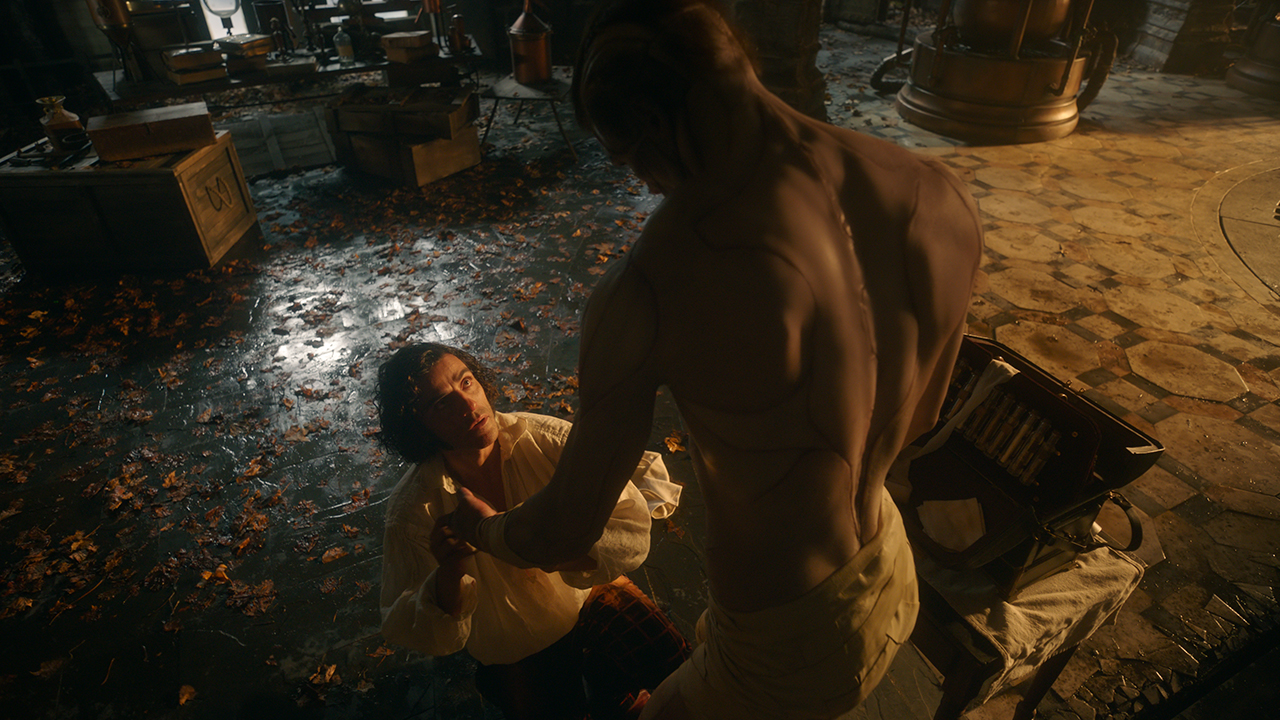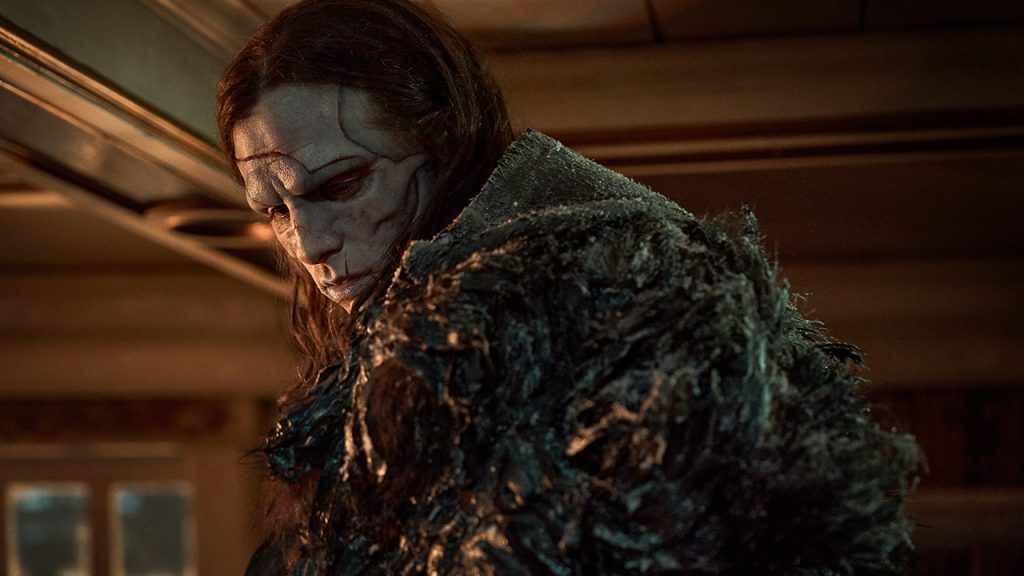
Awards season is upon us, and one of the movies generating Oscar buzz is based on a 208-year-old novel that has been brought to life scores of times on screens big and small. The New York Times called Guillermo del Toro’s Frankenstein a “lush” and “achingly emotional” adaptation of Mary Wollstonecraft Shelley’s novel. The film recently won four Critics Choice Awards, including one for Jacob Elordi, who portrays the creature that turns against its creator, Victor Frankenstein, after being spurned by society because of its horrific appearance.
Why is this story still finding new audiences? Fordham English professor John Bugg has some thoughts, as well as interesting tidbits about the novel—including its surprising parallels with another well-known work published around the same time.
It shows how science needs ethics.
The story provides a “foundational metaphor” for fast-moving science and technology that may be leaving the ethics questions in the dust, he said, leading us to lament that we’ve “created a monster” when things get out of hand.
“I think with the long history of the unintended consequences of the industrial revolution, starting with polluting the cities in the 19th century and now polluting the planet, we’re going to be interested in stories about how scientific discovery comes with consequences that we’re not always aware of in the moment, but then those consequences become huge,” he said.
He sees parallels in the tech trends we’re all grappling with today. “With AI and the workforce, we haven’t fully worked out the larger social and economic ramifications of that as well,” he said.
It has something to say about loneliness.
In the novel and the new movie, “loneliness is really the driver of [the creature’s] narrative,” Bugg said. He noted it’s a theme many can relate to in the modern world, sometimes due to the unintended consequences of technology—like the experiment that brought Frankenstein’s creature to life. “When people talk about the loneliness epidemic, they wonder if technology and social media are alienating us from each other more than they’re bringing us together.”
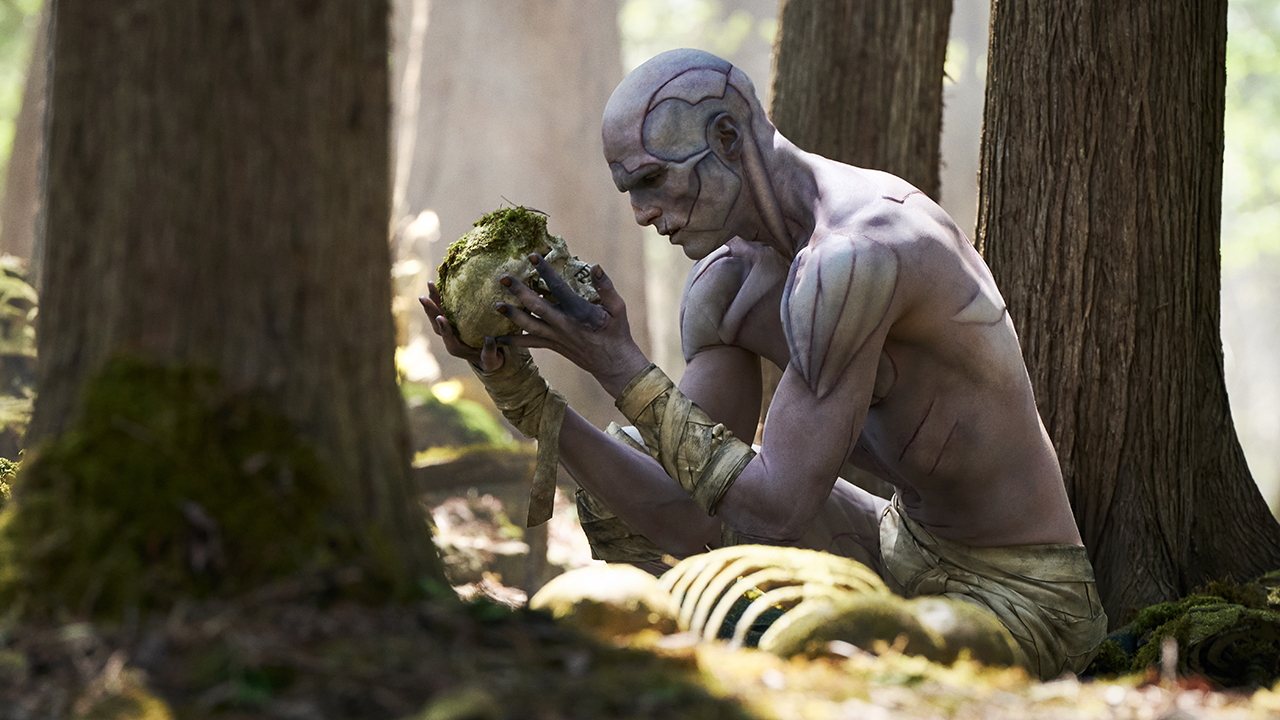
It’s a classic story of overreach gone wrong.
Stories of going too far strike a chord with all of us. Bugg said he sometimes teaches Shelley’s novel—titled Frankenstein; or, The Modern Prometheus—alongside Jane Austen’s novel Emma, published three years before, in 1815. In Emma, “our protagonist takes up a slightly impoverished local girl, Harriet, who’s younger than her, and decides she’s going to shape her into a young lady and help her find a suitable bachelor to marry. And everything goes wrong that Emma’s trying to do. By the end of the novel, Harriet has enough self-confidence to talk back to Emma, and then to marry a farmer, which goes directly against all of Emma’s hopes.”
“In both [novels], it’s about trying to shape this being into something and then it doesn’t quite work out the way you wanted it to,” he said.
It’s useful for educators.
The story “adapts itself well to a lot of different topics that people teach,” such as science and technology, children and parenting, and helping people who are “houseless and countryless and stateless, which the creature is,” Bugg said. “It’s taught all over the curriculum,” not just in courses about Gothic or Romantic literature, he said.
It shows the dangers of narcissism.
“There are other scientists in the novel who aren’t mad and who don’t necessarily want to play God and all of that,” Bugg said. “And then Victor is shown as a narcissist, self-isolating and unable to listen to people. It’s a warning about anybody working in total isolation and disregarding the advice or ideas of other people.”