

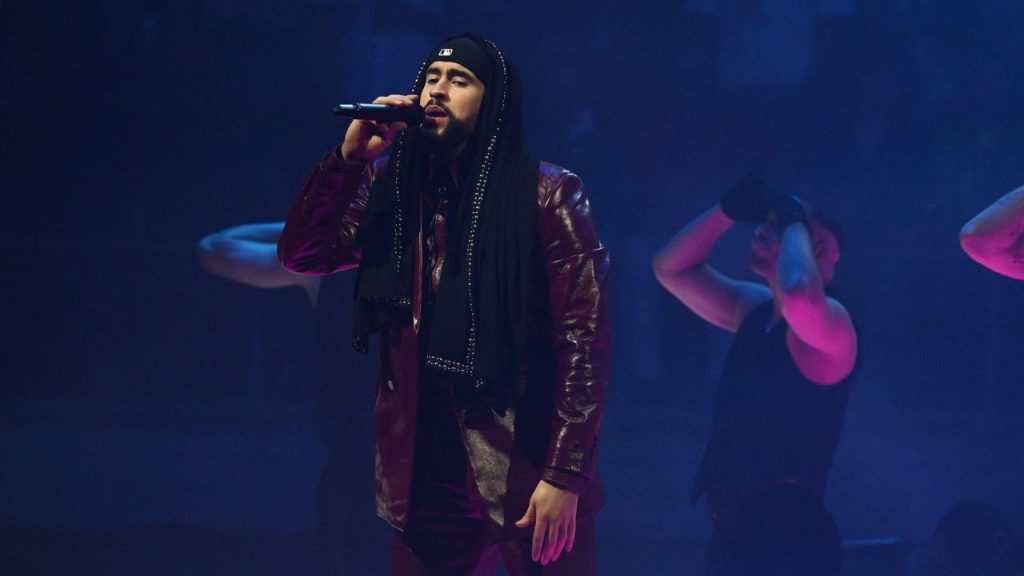
When Bad Bunny takes the Super Bowl halftime stage this Sunday, he will do so at a peak moment in his career. Just days ago, the Puerto Rican singer took home three Grammy Awards, including one for Album of the Year. In September, he wrapped a sold-out residency in Puerto Rico that drew fans from around the world—and generated hundreds of millions for the island’s economy.
[Lea este artículo en español]
One aspect of Bad Bunny’s appeal is his ability to bridge generations and identities, according to Clara Rodríguez, PhD, a Fordham sociology professor and expert on Latino representation in the media. “His message is a wonderful message of positivity and inclusivity,” Rodríguez said, noting that his Super Bowl promo materials showcase older adults, young people, and a diverse range of ethnicities.
It’s this inclusivity, in part, that’s helped him achieve what some see as a major milestone: a Latino artist reaching the highest levels of mainstream success in the U.S. without assimilating into white, English-language-dominant pop culture.
A History of Cultural Dilution
According to Rodríguez, Latino artists have historically felt compelled to soften accents, anglicize names, and minimize cultural markers that might read as “foreign” to American audiences—notably, Bad Bunny is not foreign. He was born in Puerto Rico, making him a U.S. citizen by birth.
Rodríguez, author of Heroes, Lovers, and Others: The Story of Latinos in Hollywood, pointed to Rita Hayworth as an example of this type of assimilation. Born Margarita Carmen Cansino, the classic Hollywood starlet was encouraged to change her name, dye her hair, and undergo painful electrolysis to raise her hairline to make herself more palatable to white audiences.
What makes Bad Bunny’s success so striking, Rodríguez said, is that he has achieved it without such accommodations.
“He sings in Spanish, and he has made his political views known,” Rodríguez noted. Bad Bunny has been outspoken in support of immigrants in the U.S. and residents of Puerto Rico, particularly after Hurricane Maria, when he recorded “Una Velita,” which criticized the handling of the disaster.
Resistance to Assimilation
These stances have at times made the singer a controversial figure, Rodríguez noted. The NFL itself faced pushback from some commentators who derided the choice of a Spanish-language performer at such a quintessentially American event.
Rodríguez said the criticism reveals something else that is quintessentially American: our discomfort with multilingualism.
“I don’t think it’s a valid critique,” Rodríguez said, adding that, outside of the U.S., speaking multiple languages is not only normal but expected. “The rest of the world is very smart about encouraging additional languages.”
Bad Bunny’s Global Appeal
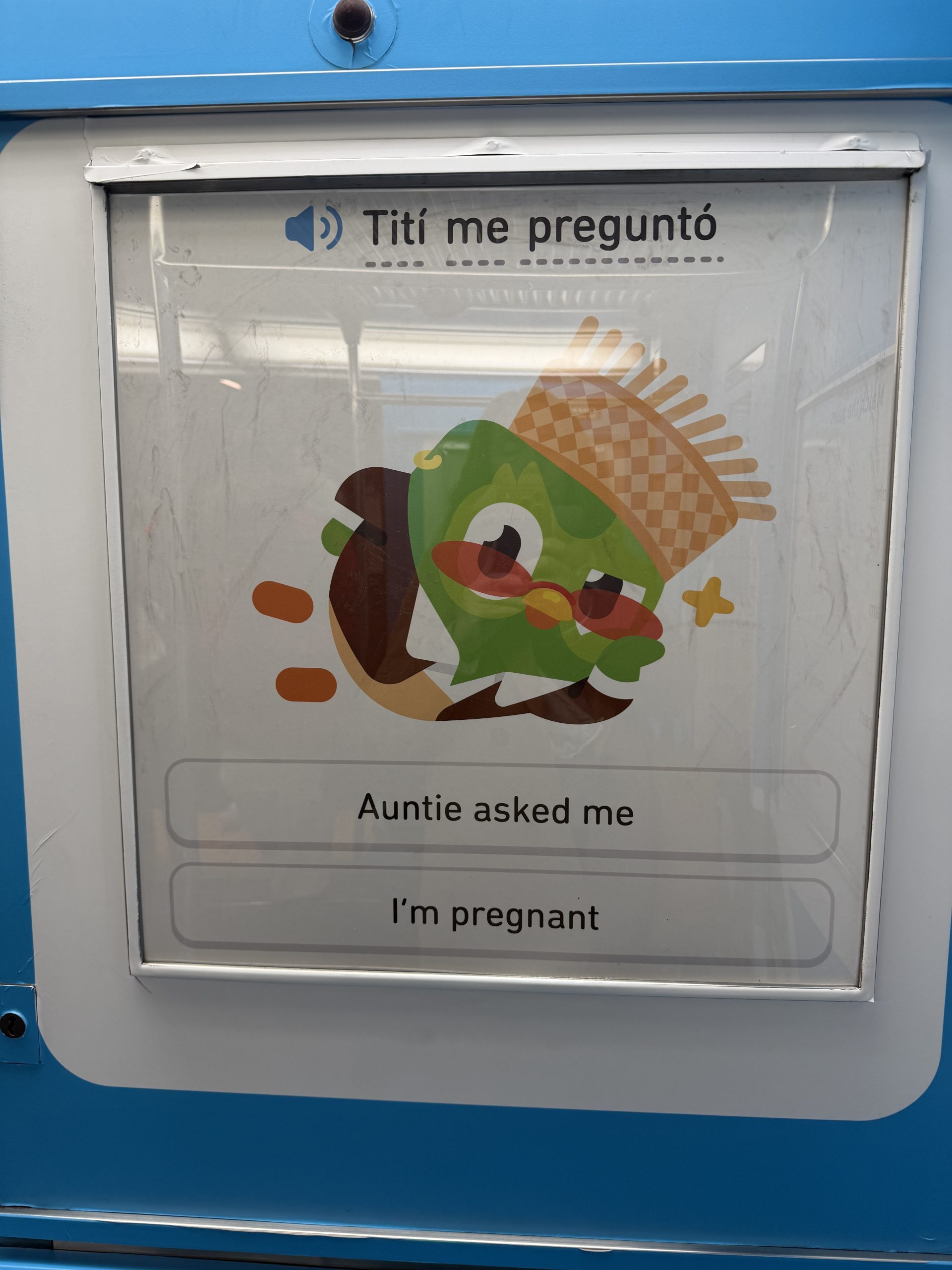
Rather than changing himself to reach a wider audience, Bad Bunny seems to be letting the fans come to him. He made history on Sunday when he earned the Album of the Year Grammy for Debí Tirar Más Fotos, the first Spanish-language album to ever receive the award. Ahead of the Super Bowl, the language app Duolingo even released a video and ad campaign encouraging viewers to learn a few Spanish phrases from his songs.
Staying true to his identity and wearing his Puerto Rican pride on his sleeve—despite pressure to assimilate with mainland U.S. culture—is part of what resonates with fans around the world, according to Rodríguez.
“A lot of countries have very diverse populations, especially with recent immigration. And so the fact that he feels proud of his homeland, I think that reaches people in other countries who might be in similar situations,” Rodríguez said.
Bad Bunny’s success may reflect a shift in how audiences respond to artists who embrace, rather than dilute, their cultural identities, according to Rodríguez. As he takes the stage on Super Bowl Sunday, he will demonstrate that pop cultural stardom doesn’t have to mean erasing one’s roots.
