

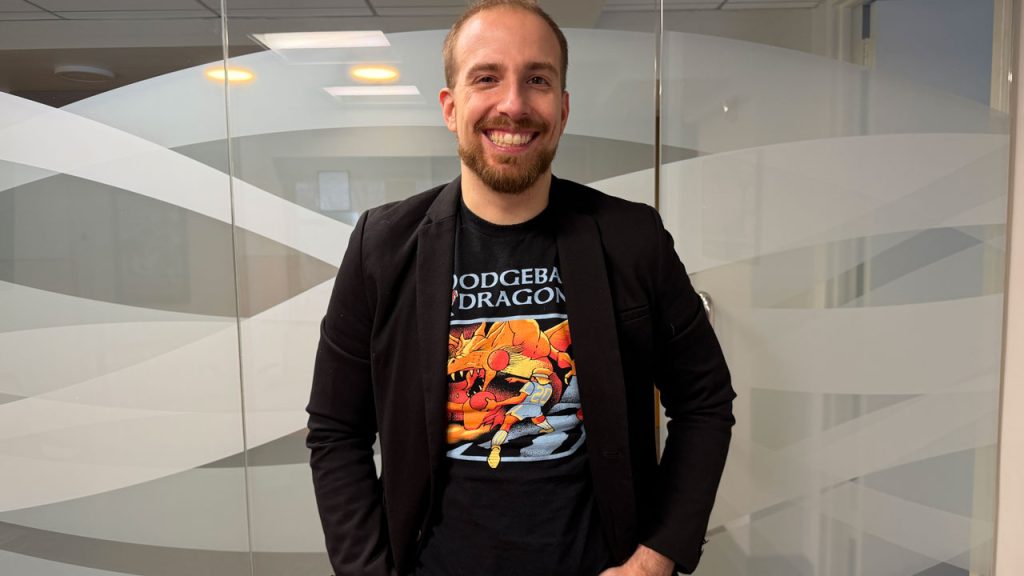
Christopher Vicari may be the only Fordham faculty member who brings board games to class. In his Game Culture: Theory and Practice course in the Communication and Media Studies department (where he also works as an educational technologist), he shows students how to use games to effect social change.
“Games can entertain us, and we’re designing games for that purpose,” said Vicari. But his class also considers what else games can do. “Can they promote change? Can they educate? Can they bring people to the table to talk about their lives and experiences?”
Some of his past students have produced fascinating prototypes for educational games. One student interested in forensic science created a mystery card game that challenged players to solve a crime based on the evidence. “It was a fascinating experience because her game delved into the science—like what a heart looks like that has experienced poisoning or a heart attack.” Another student developed a game for elementary school students that helped them learn the periodic table by grouping together elements needed to create everyday objects such as smartphones.
Some of his students have gone to volunteer or work for Games for Change, a major conference in NYC. And two former students now work in the video game industry, which Vicari said is experiencing layoffs due to overhiring during COVID—not AI. “A lot of the fan base is very resistant to the use of AI,” he said.
Vicari himself is drawn to perhaps the most imaginative branch of game design: role playing games, or RPGs—in particular Dungeons and Dragons (known as D&D). When he is not teaching Game Theory or Digital Storytelling in the newly reimagined Design and Technology program, Vicari works as a certified game master who leads D&D games and designs D&D modules—essentially stories that people can “play”. (One of his most downloaded modules is about a painter lost in his own painting.) His upcoming book on the subject, Behind the Screen: A Dungeon Master’s Guide to Crafting Campaigns, is due out later this year. (Follow his Substack to access more of his work.)
“D&D is all about collaborative storytelling,” said Vicari. “It’s a way for you to sit around the table with your friends, seeing whatever wonky characters they’ve created, and to see how the game master helps to collaboratively create this world that unfolds before your eyes.” (And yes, he was a fan of Stranger Things, which brought its famous monsters like Vecna to life.)
Not into D&D? Vicari has a few other favorite games to recommend.
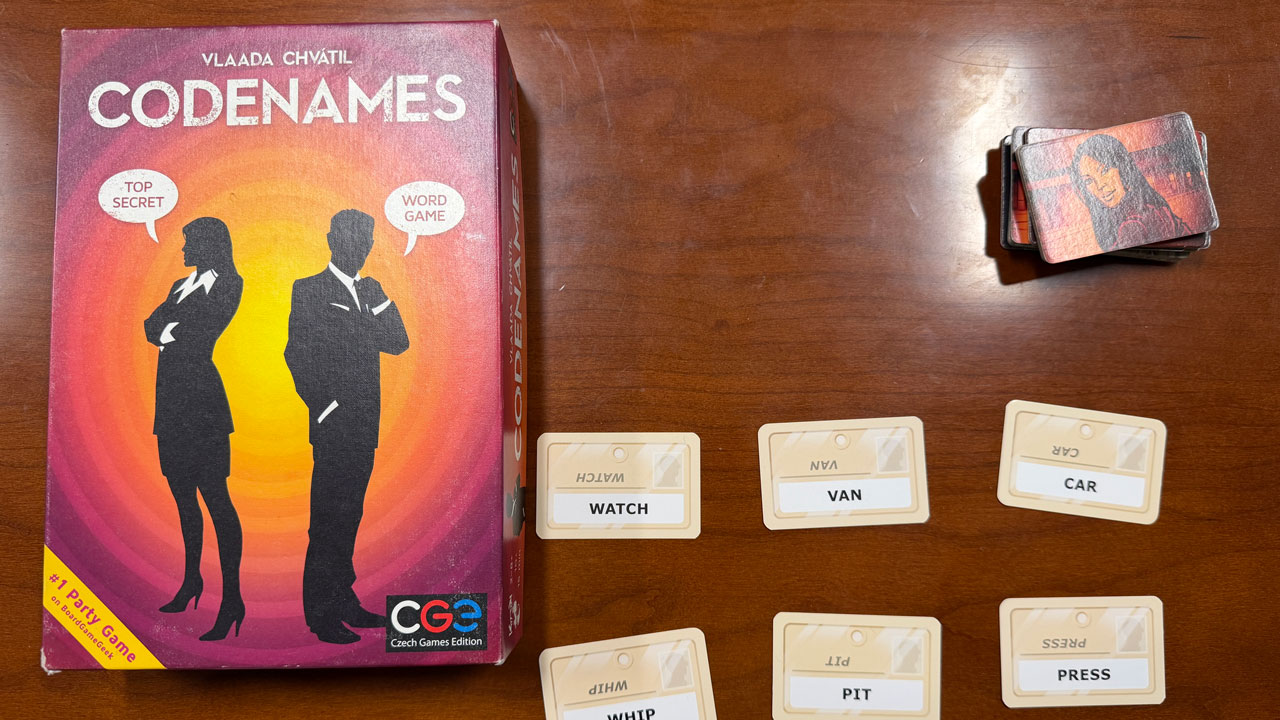
Codenames
At the top of Vicari’s list is this competitive clue-guessing game. Two teams compete to guess which cards tie back to the clue given by each team’s leader.
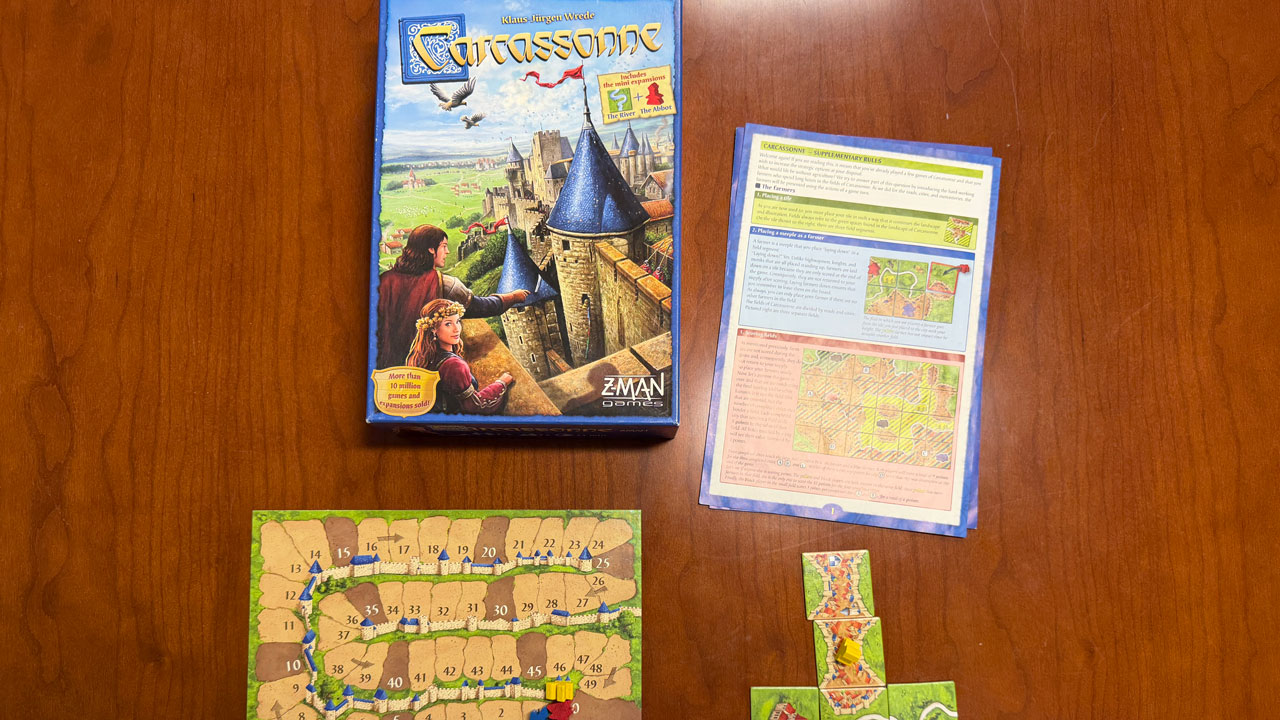
Carcassone
This family-friendly competitive world-building game, in which players place tiles and characters on the board to claim roads or cities, is another one of his multiplayer favorites.
Pandemic
In this game—which was hugely popular before COVID and still is, said Vicari—players win or lose together as they work to eradicate diseases before they reach the point of a pandemic.
Life Is Strange
Vicari has a half-sleeve tattoo that references this video game—a sign of his everlasting love for it. Players navigate choices through a female character, Max, who has the power of time travel. “It’s a game about love, personal identity, saving lives, and making choices that have reverberations for the rest of the experience.” It’s available for most gaming consoles, including PlayStation.
