

In the days since the United States and Israel launched attacks on Iran, the human cost has mounted quickly. Airstrikes have killed and injured hundreds of Iranian civilians. Six American service members have been killed, and scores of civilians across the region have died as the Gulf states and Lebanon are drawn into the conflict.
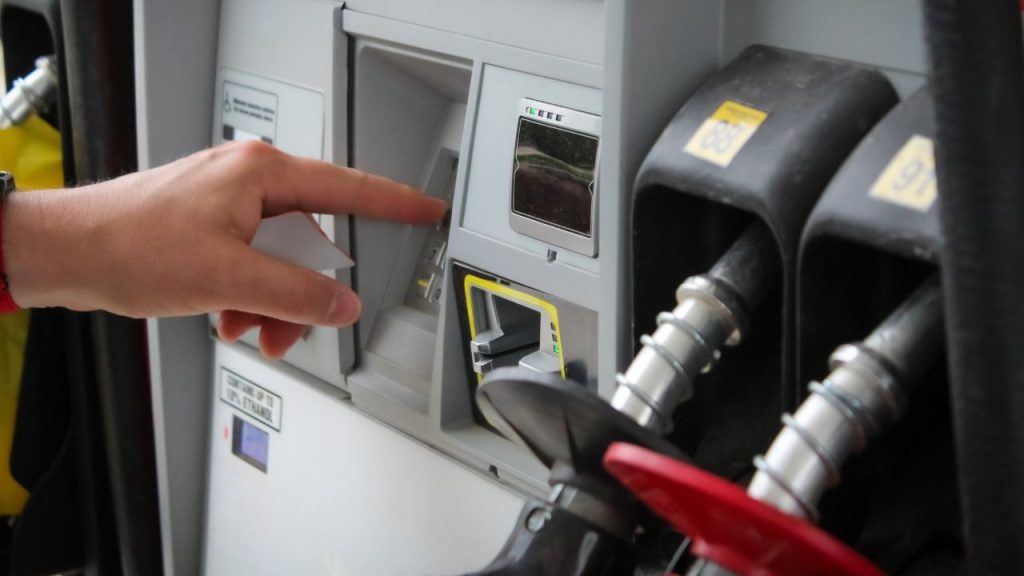
The effects are also rippling through global markets, including at gas stations in the United States. The national average price of gasoline has climbed above $3.25 a gallon, up more than 25 cents from last week as traders react to the widening war.
Much of that anxiety centers on the Strait of Hormuz, the narrow waterway south of Iran through which roughly a fifth of the world’s oil supply passes each day. The strait is one of the most important chokepoints in global commerce, and its traffic is now effectively at a standstill amid the fighting. Even the threat of disruption there can send crude prices soaring—and those increases quickly filter down to American consumers, according to Christopher Dietrich, a Fordham professor of U.S. history and author of Oil Revolution: Anticolonial Elites, Sovereign Rights, and the Economic Culture of Decolonization.
Whether gas prices continue to rise will depend on a multitude of factors, said Dietrich, who studies oil politics and U.S. foreign relations.
“It depends on how persistent the war itself is, the extent of disruptions to the oil traveling through the Strait of Hormuz, and how quickly alternatives come onto the market,” Dietrich said.
From Oil Shock to Inflation
This week’s spike in gas prices reflects what Dietrich describes as both a material and psychological shock. Energy markets are forward-looking: traders price in the risk that future shipments may be delayed or blocked. If supply continues to be disrupted, expect prices for crude oil and gasoline to climb further, Dietrich said.
The broader economic consequences will extend beyond the pump, he notes. Oil is a critical input across the economy—in transportation, commercial shipping, home heating, and food systems. It’s also a component of the petrochemicals used to manufacture many consumer goods.
As those costs rise, companies face a choice: absorb them or pass them on. When businesses push higher expenses onto customers, the result is what economists call “cost-push inflation,” Dietrich said, feeding into increases in the Consumer Price Index.
“Higher oil prices mean higher gasoline prices mean an increase in inflation in the most general terms,” said Dietrich.
A prolonged disruption in oil supply, he said, either by closure of the Strait of Hormuz or attacks on other energy infrastructure in the region, could slow economic growth while driving inflation—a stagflation dynamic reminiscent of the 1970s.
A Different Market Than 1973
But Dietrich cautioned against drawing too neat a parallel between today’s energy crisis and the one caused by the 1973 Oil Embargo, which triggered the fear of global fuel shortages and helped plunge the United States into recession.
The global oil market was “much tighter” then than it is today, Dietrich said. Demand was rising, spare production capacity was limited, and coordinated action by producers carried enormous weight. When Arab OPEC members imposed an embargo on the U.S. and other supporters of Israel, prices spiraled from roughly $3 to $12 a barrel—a rate of growth we’re unlikely to see in 2026, according to Dietrich.
Today, some major producers still have spare capacity they could bring online, and U.S. production of shale oil—a more expensive alternative to crude oil produced by fracking—can ramp up if oil prices rise to a threshold that makes shale production profitable, Dietrich said. That flexibility could blunt the worst-case scenario for American consumers.
Escalation and Uncertainty
In the U.S., the immediate concern may be the cost of filling up the gas tank or buying groceries. But Dietrich says he worries more about the potential for broader geopolitical escalation and its human cost. Amid these discussions of markets and inflation, he said, it’s important not to lose sight of those living through the violence itself.
“Iranian civilians and other people in the region are really the ones who are suffering right now,” Dietrich said. “But this will have a long-term effect on Americans as well.”
