

Across the Abrahamic religions, believers traditionally observe periods of fasting. Christians mark the season of Lent, often by giving up certain foods, in the weeks leading up to Easter. Muslims fast during the holy month of Ramadan, and Jews are called to fast on Yom Kippur, alongside other fasts observed throughout the year.
Though the specifics of these fasts differ, they serve a common purpose, according to several Fordham experts: to help believers slow down and cultivate a heightened awareness of spiritual life.
A Tradition That Spans Religions
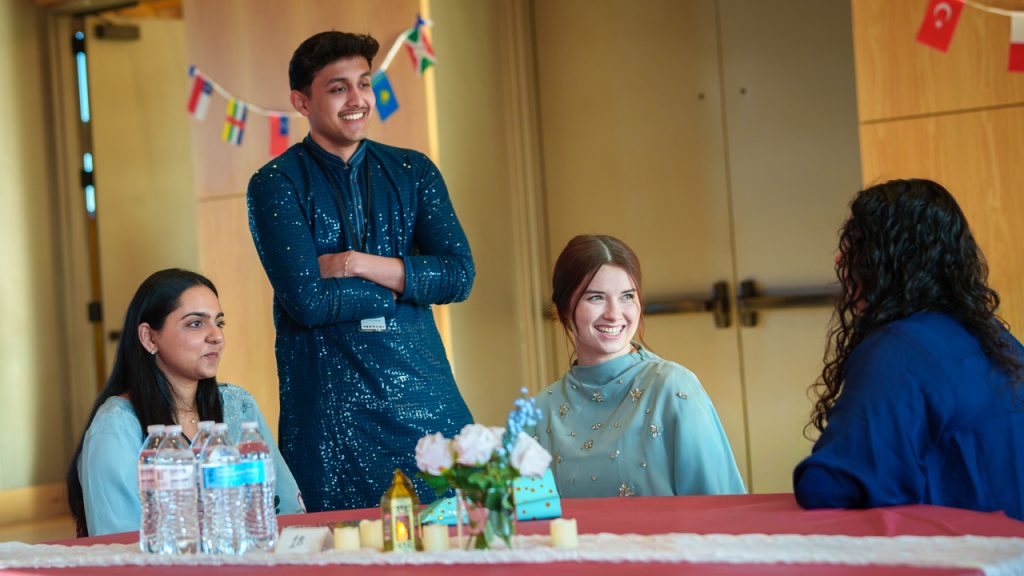
In Islam, fasting during the month of Ramadan is one of the Five Pillars of the faith, according to Ammar Abdul Rahman, Fordham’s Imam and director of Muslim life. During Ramadan, which this year ends March 19, adult Muslims who are able abstain from all food and drink (including water) from dawn until sunset. The practice is accompanied by daily prayers and reflection.
Abdul Rahman said fasting helps to cultivate “God consciousness”—a heightened awareness of the transcendent in daily life.
“When you’re fasting, you’re reminded of God throughout the day, in everything you do, because your choices are guided by something higher than yourself,” he said.
Fasting during Ramadan also extends beyond food. Observant Muslims are encouraged to avoid anger, insults, and other negative behavior during the day, using the fast as an opportunity to practice patience and moral discipline, Abdul Rahman said.
In Judaism, the most widely observed fast is Yom Kippur, when many Jews abstain from food and drink for 25 hours to fully devote themselves to their relationship with the Divine. According to Rabbi Katja Vehlow, Fordham’s Jewish chaplain and director of Jewish life, the purpose of fasting varies between communities and individuals.
“Historically, people fasted for many reasons—atonement, collective mourning, or sometimes just to express gratitude,” she said.
Breaking the Routine
Vehlow said fasting can serve as a powerful signal that a holiday is spiritually distinct. “Fasting is a very clear reminder to the body that this is a different day,” she said.
A similar idea appears in the Christian tradition of fasting before Easter. The season of Lent developed in the early centuries of Christianity as a period of preparation before celebrating Jesus’ resurrection. According to George Demacopoulos, PhD, professor of theology at Fordham and the Fr. John Meyendorff & Patterson Family Chair of Orthodox Christian Studies, fasting is meant primarily to shift believers’ attention in a spiritual direction. Because people are creatures of habit, he said, altering everyday routines can prompt deeper reflection.
“The number one spiritual benefit actually has nothing to do with deprivation,” Demacopoulos said. “The number one benefit of fasting is the remembrance of God.”
In the Orthodox tradition, fasting is built into the rhythm of the liturgical calendar, with the most significant fasting period being the 40 days of Lent. Orthodox Christians traditionally fast every Wednesday and Friday as well, and there are other longer fasting seasons, such as the 40-day Nativity Fast before Christmas. These fasts typically involve abstaining from certain categories of food, especially meat and dairy, though the degree of observance differs from person to person, said Demacopoulos, who co-directs Fordham’s Orthodox Christian Studies Center.
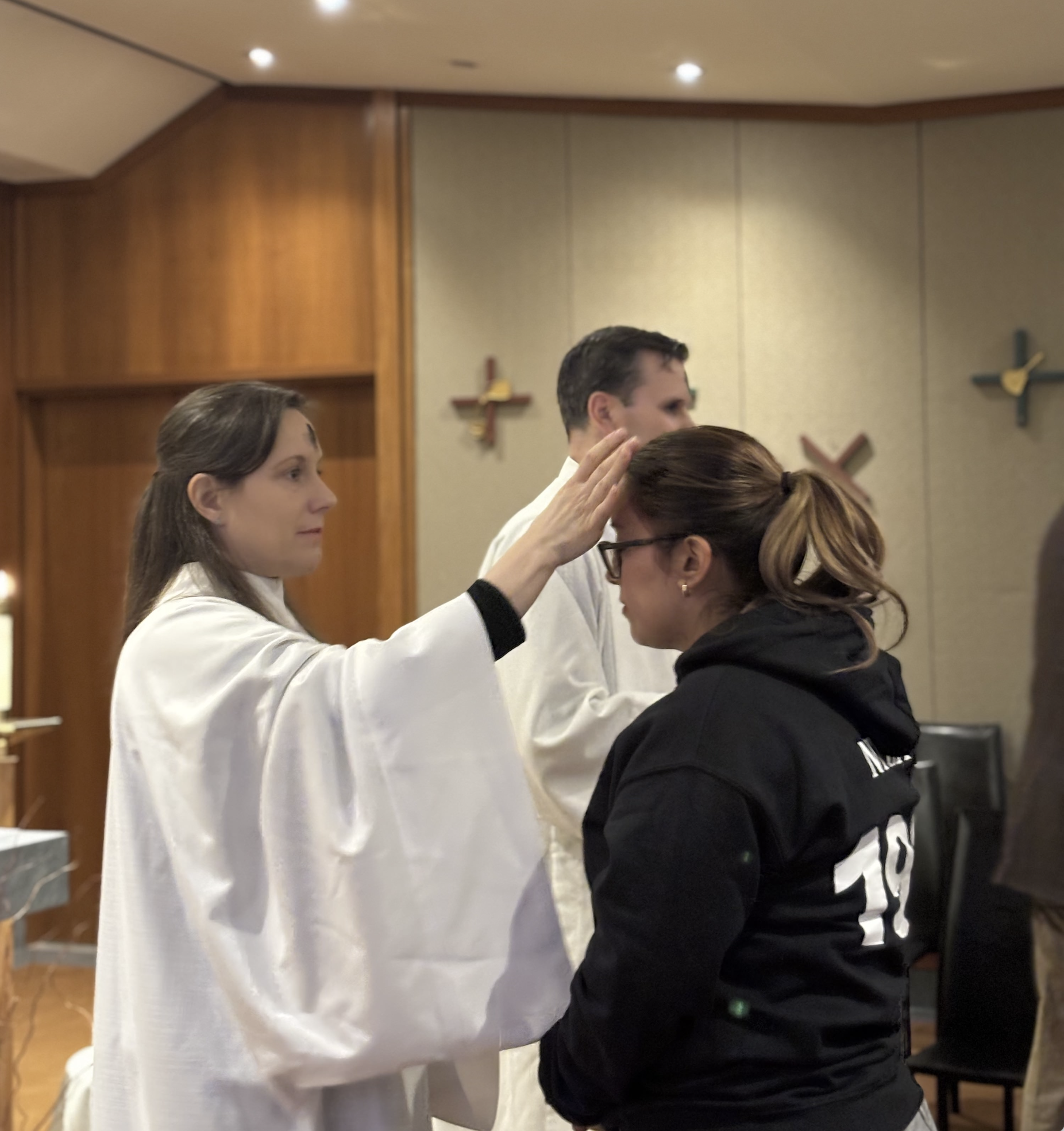
The Roman Catholic Church similarly encourages fasting and abstinence during Lent, most notably on Ash Wednesday, Good Friday, and on Fridays during Lent, when many Catholics refrain from eating meat. Some Catholics also observe Lent with acts of service, giving back to their communities to honor Jesus’s sacrifice.
“Lent is a time for us to clean house and get ready to greet the risen Lord,” said Philip Judge, SJ, executive director of campus ministry at Fordham. That can mean giving up things, like favorite foods, he said, “but there’s also a sense in which doing good things for others can help us prepare equally well.”
Creating a Shared Experience
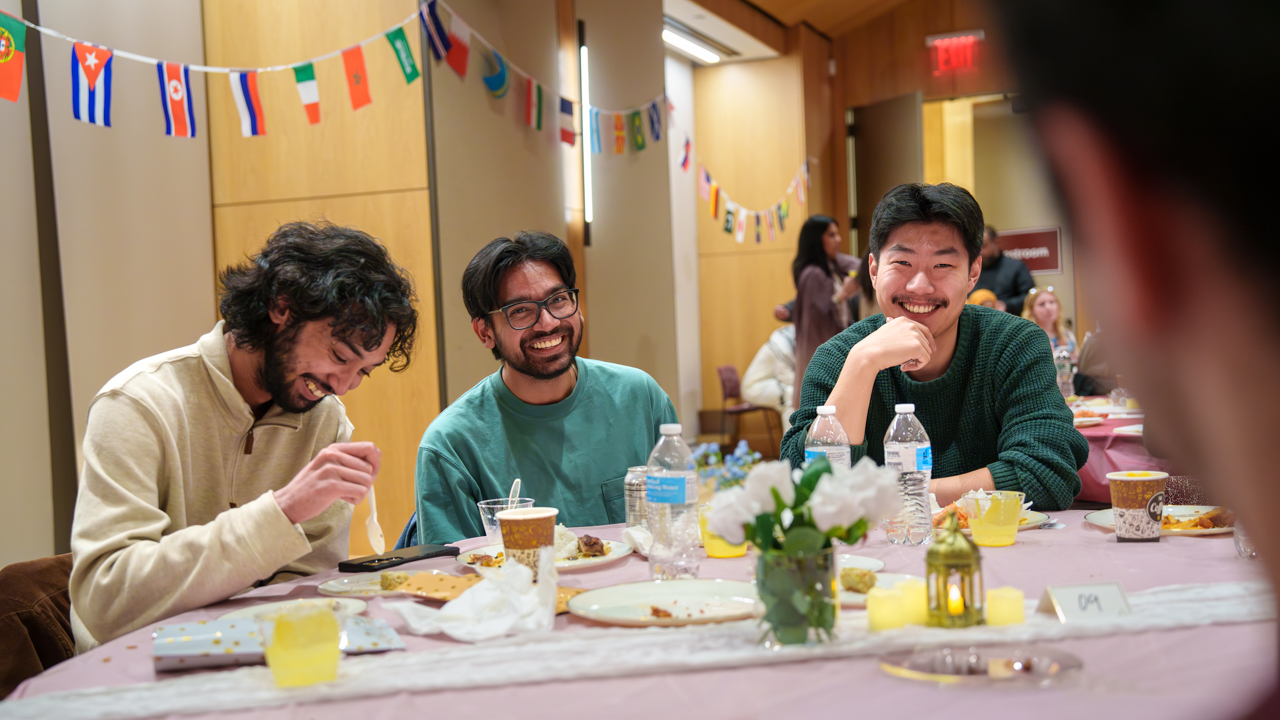
Finally, fasting can be a way to bring communities together. During Ramadan, Muslims gather after sunset for iftar, the meal that breaks the daily fast. Many mosques host large communal meals, often open to anyone who wishes to attend.
“It becomes this beautiful mosaic of different people coming together,” Abdul Rahman said. “New connections are made, friendships are started, and you never know, sometimes even relationships begin.”
Jewish communities often share festive meals after major fasts as well. In the United States, Vehlow said, the meal that follows Yom Kippur can be a major gathering for families and friends.
The experience of breaking bread after a period of fasting creates a heightened reverence for food itself, Vehlow said.
“Eating is a sacred act,” she said. “It binds us up in creation, in relationship with the divine, but also with the world we live in.”
