

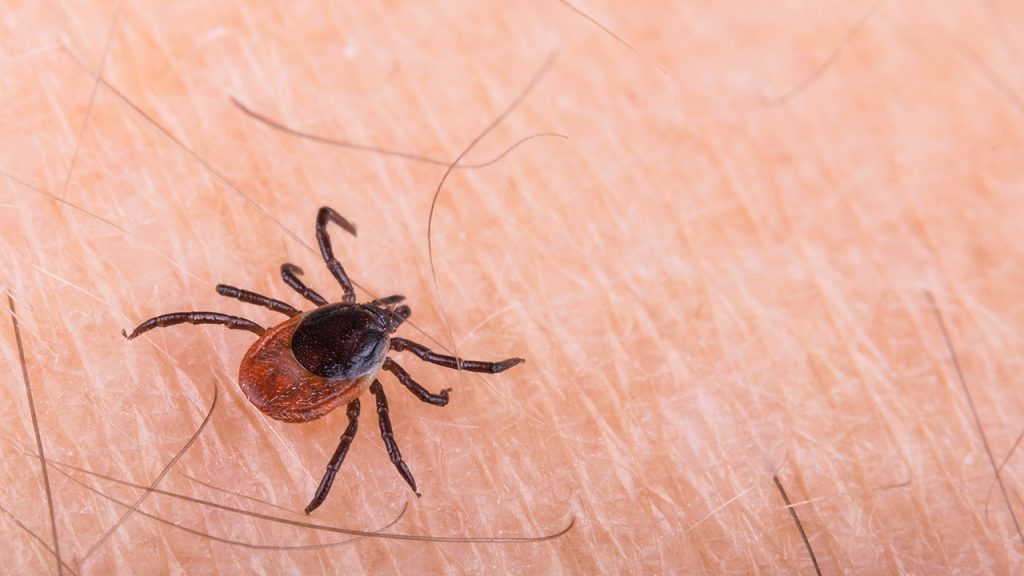
Thomas Daniels, director of Fordham’s Louis Calder Center and creator of the Fordham Tick Index, explained that colder, snowier winters can actually benefit tick populations, as snow cover insulates them from extreme temperatures and increases their chances of survival.
“The winter we had, as difficult as it was for us, was a boon for ticks,” said Thomas Daniels, who maintains the Fordham Tick Index and is the director of the Louis Calder Center, Fordham University’s field station for research in Armonk, N.Y. “A cold, snowy winter is something they like.” Under a snow blanket, he said, it’s warmer than above ground, so they are less likely to freeze to death.
And if there are a lot of ticks, “there’ll be a lot of bites,” he said.
Black-legged ticks, also known as deer ticks, can “start looking for a host” when the temperature climbs past 40 degrees, he said. The Centers for Disease Control and Prevention says that more than 50 percent of black-legged ticks may carry the bacterium that causes Lyme disease, although an infected tick usually has to remain on someone’s skin for more than 24 hours to transmit Lyme. Daniels advises covering your skin when you go to grassy or wooded places — and checking for ticks when you come in.
