

From the first woman to run for U.S. vice president on a major party ticket to pioneering leaders in disability rights and environmental justice, Fordham grads are changemakers, determined to step up, speak out, and matter to their communities.
This Women’s History Month, Fordham Magazine highlights seven alumnae who have taken to heart the Fordham Jesuit tradition of being people for others. On local and national stages, they have championed equity and community health while redefining what’s possible.
Geraldine Ferraro, ’60 JD
The first woman in U.S. history nominated for vice president by a major political party
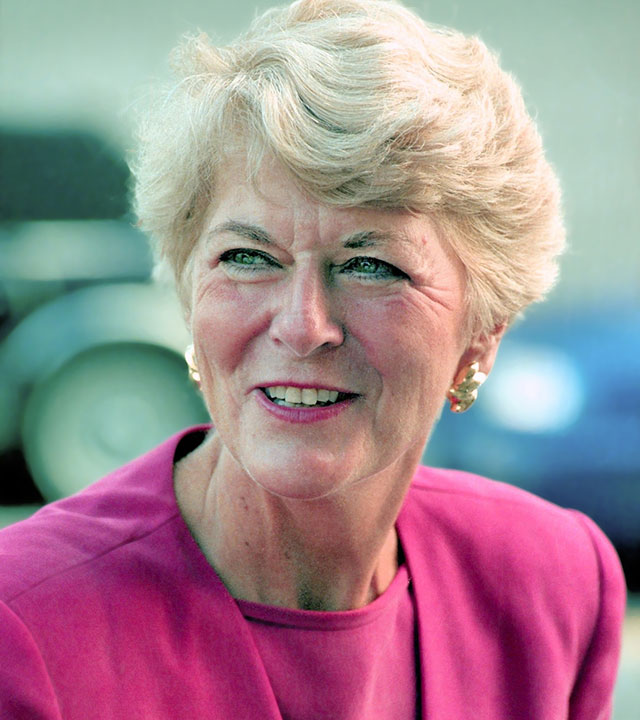
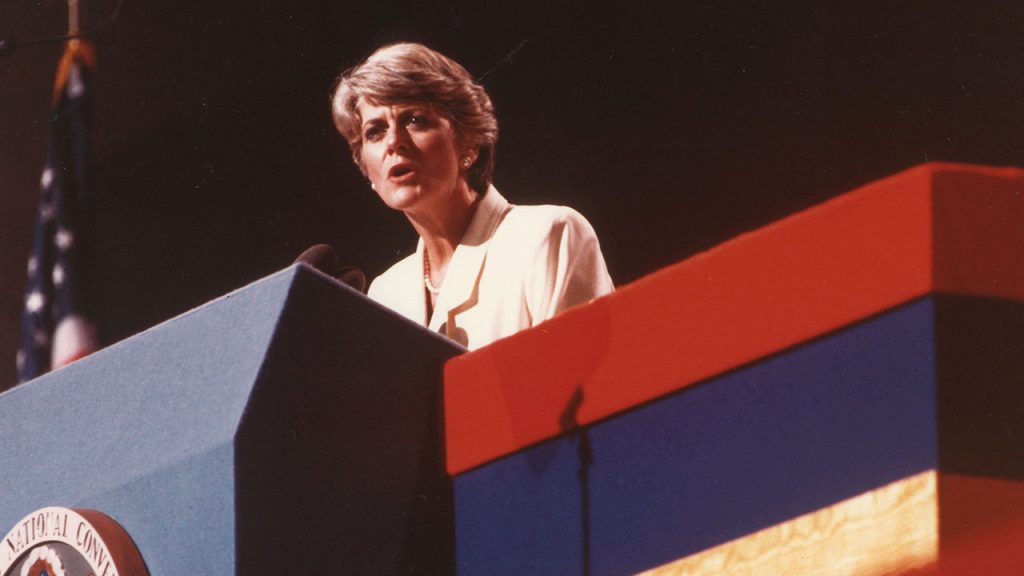
When Walter Mondale selected U.S. Rep. Geraldine Ferraro as his running mate during the 1984 presidential campaign, she became the first woman to be nominated by a national party for vice president of the United States.
“By choosing a woman to run for our nation’s second highest office, you sent a powerful signal to all Americans,” she said during her acceptance speech. “There are no doors we cannot unlock. We will place no limits on achievement.”
Ferraro began her career as an elementary school teacher in Queens and earned a JD from Fordham Law School at night. Her political career has inspired generations of women to run for office and helped change the way people view women leaders.
Emma Bowen ’74
A pioneer in the fight for fair representation and employment of Black people in media
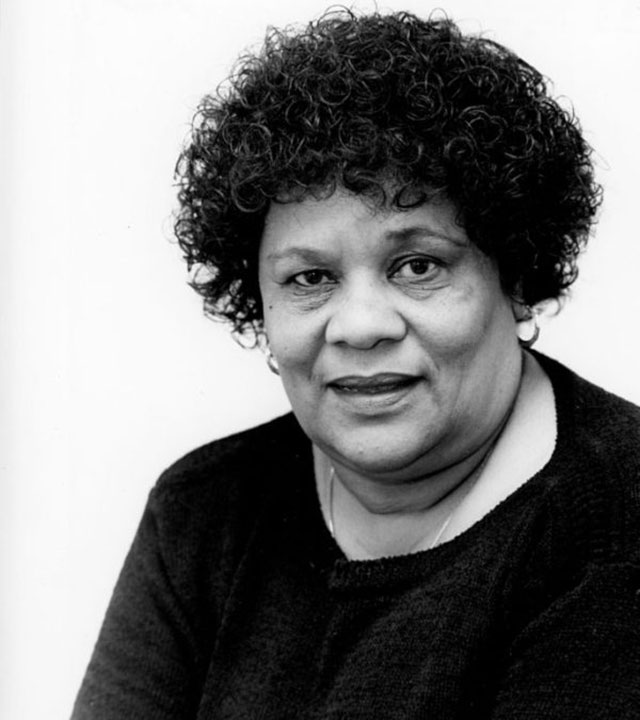
When Emma Bowen enrolled at Fordham to pursue her bachelor’s degree in the early 1970s, she was already in her 50s and had worked in city government. Outside of the classroom, she helped form and lead the Black Citizens for Fair Media, a volunteer group that challenged broadcasters’ discriminatory employment practices and negative depictions of Black people.
“At first we thought broadcasters could do as they pleased. … Then we found out that ‘the airwaves belong to the people,’ and that phrase became our slogan and call to action,’” she wrote.
Now the group, which was renamed the Emma Bowen Foundation following her death in 1996, connects students of color with internships at leading media companies.
Virginia “Ginny” Apuzzo ’73 MS
An early AIDS activist and longtime leader in the fight for LGBTQ+ rights
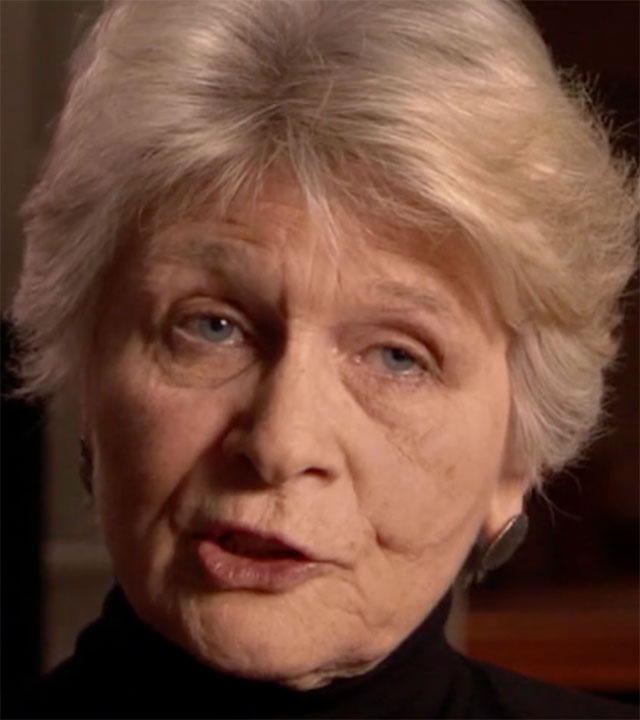
The 1969 Stonewall uprising was a turning point for Virginia “Ginny” Apuzzo, who was living in the Bronx as a nun with the Sisters of Charity. She left the order and eventually became a leader in the fight for LGBTQ+ rights. Apuzzo earned a master’s degree in urban education from Fordham in 1973 and served as an assistant commissioner in the NYC Department of Health and Mental Hygiene, where she launched an AIDS hotline. In her testimony at the first-ever congressional hearing on AIDS, she criticized the government’s response and advocated for more federal funding.
In 1980, Apuzzo was one of the first openly lesbian delegates at the Democratic National Convention and helped write the first gay and lesbian civil rights language for the party’s platform. In 1997, she was appointed by President Bill Clinton to serve as assistant to the president for administration and management, which made her the highest-ranking LGBTQ+ member of the federal government at the time.
Mary Cain ’19
A world-class runner who blew the whistle on abusive, win-at-all-costs training cultures

Mary Cain was one of the fastest runners in the world when she was 17. She was a 2013 World Championships finalist in the 1,500-meter event and earned gold at the 2014 World Junior Championships in the 3,000-meter race.
But then her body broke down. The cause? Years of abusive training practices at the Nike Oregon Project under coach Alberto Salazar, who insisted that she lose weight and pushed her through the pain of injuries.
Cain enrolled at Fordham, graduating in 2019 with a degree in business administration. She made national news that fall when she shared her story in a video op-ed published by The New York Times. That video prompted Nike to open an investigation into Cain’s allegations, and in 2021, Salazar was permanently banned from track and field.
It has taken Cain years to process the physical, emotional, and mental abuse she experienced. In a new memoir, This Is Not About Running, she details the toll it took on her and examines how everyone from parents to coaches to young athletes themselves can help reform sports culture.
Elizabeth Yeampierre ’80
A climate justice leader who sees environmental policy as a civil rights issue
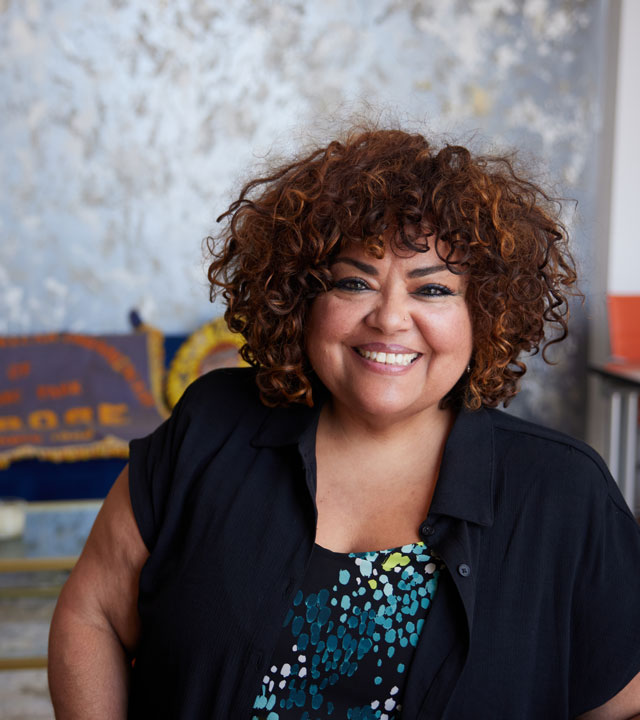
New York City native Elizabeth Yeampierre grew up in neighborhoods with “toxic exposure” to pollution, and it has had profound impacts on her and her family—her father died of an asthma attack, her mother had lung cancer, and she has had her own upper respiratory issues. After graduating from Fordham, Yeampierre earned a law degree from Northeastern and became a trailblazing environmental justice advocate.
“I realized that if you couldn’t breathe, you couldn’t fight for justice. So that was my entry into environmental justice work,” she said.
Since the mid-1990s, she’s been the executive director of UPROSE, a Latino community organization in Brooklyn, where she’s helped double the amount of open space in Sunset Park. She has spoken at the White House’s Forum on Environmental Justice, helped lead the People’s Climate March, and served as the first Latina chair of the U.S. Environmental Protection Agency’s National Environmental Justice Advisory Council.
Frances Berko ’44 JD
A disability rights visionary who helped start United Cerebral Palsy
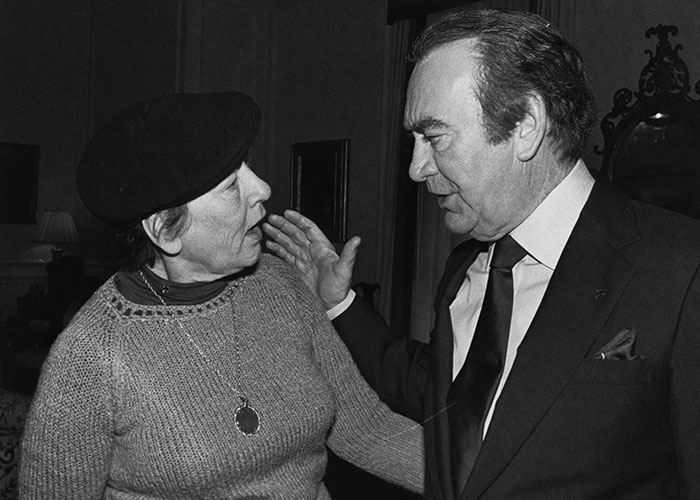
Born with ataxic cerebral palsy, Frances Berko became a pioneer in disability rights after earning a law degree from Fordham in 1944. She helped create United Cerebral Palsy, a national organization that provides resources and support to people with disabilities, and later served for more than a dozen years as a state advocate in the New York Office of the Disabled. In that role, she pushed for a bill that would prohibit discrimination of employees based on their disability and would allow them to serve on juries. In 1994, she received an honorary doctorate from Fordham, and Janet Reno, then the U.S. attorney general, described Berko as a symbol of “what you can do and how you can do it magnificently.”
Dr. Eugenie Doyle ’43
A pediatric cardiologist who helped perfect lifesaving open-heart surgery for “blue babies”
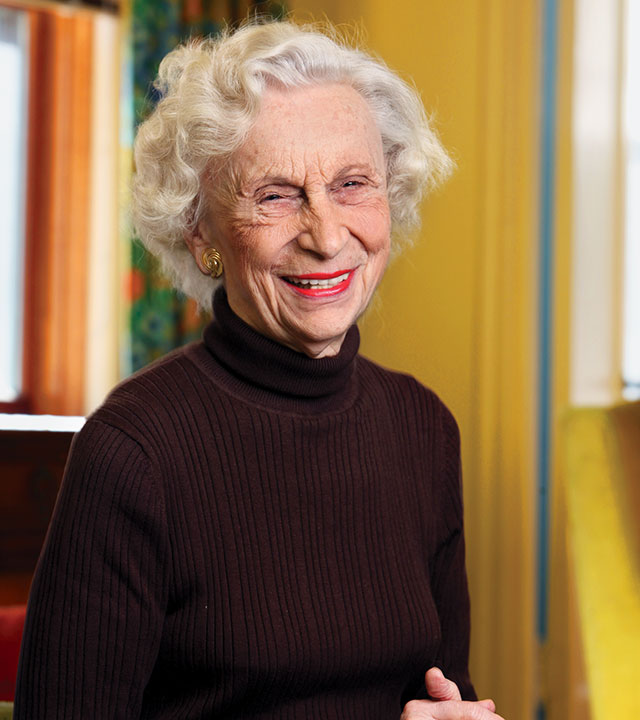
Dr. Eugenie Doyle, who died on March 8 at age 104, was a pioneer in pediatric cardiology. At Bellevue Hospital and NYU Langone Medical Center starting in the mid-1940s, she helped popularize a daring new open-heart procedure that saved infants with “blue baby syndrome.” She later led the pediatric cardiology department at NYU Langone from 1958 until her retirement in 1993 and authored several key papers on children with rheumatic heart disease.
Doyle was a 1943 graduate of Marymount College, which later became part of Fordham University, and earned her medical degree from Johns Hopkins School of Medicine. In 2012, Fordham awarded her an honorary doctorate for her “years of dedicated service to children and their families, and for her generosity toward future generations of physicians.”
