Since 1841, Fordham has been a university at the heart of the American experiment—a launchpad for immigrants and their children, founded by a bold Irish immigrant who believed in education as the key to a more perfect union.
As the United States marks its 250th anniversary, here are four ways Fordham has woven itself into—and shaped—the national story.
Dagger John and the ‘Nation of Immigrants’
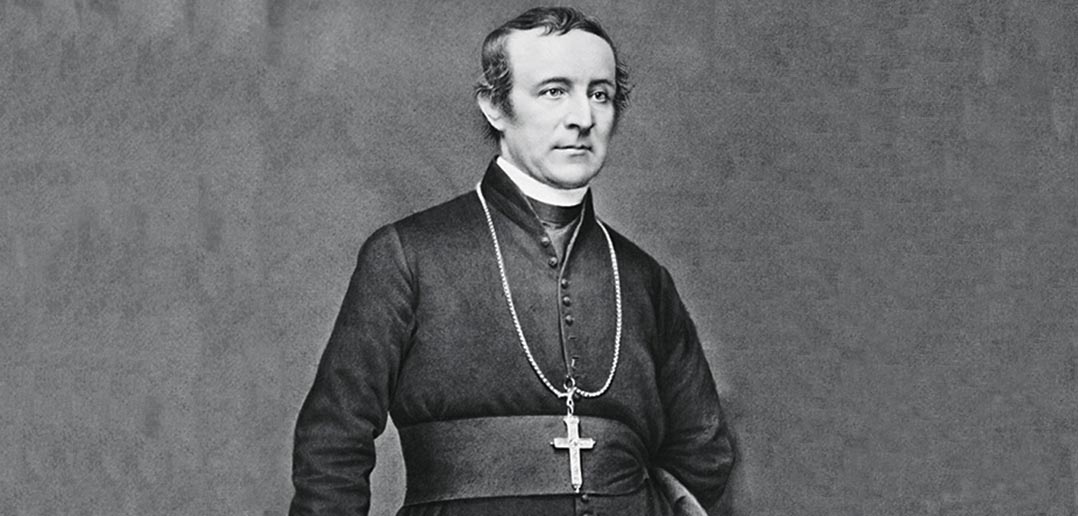
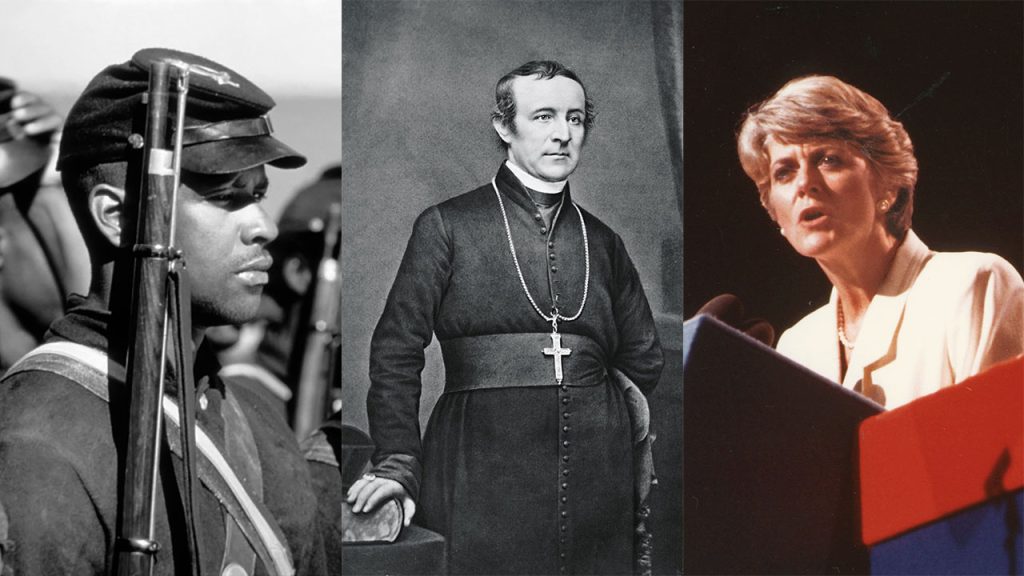
The United States is often called a nation of immigrants, but it rarely rolls out the red carpet to them. Fordham’s founder, John Hughes, felt that tension acutely. He was a 20-year-old immigrant gardener and stonemason before becoming the first Catholic archbishop of New York.
Known as “Dagger John,” he fiercely championed the million Irish immigrants who fled famine for New York City in the 1840s and ’50s. “He was the mainspring of their reorganization,” writer Peter Quinn ’75 MA once told Fordham Magazine. “They were a mob when they came here.” But through Fordham and other institutions established by Hughes, “things cohered,” helping to connect an overlooked community to education, jobs, and upward mobility.
The Civil War and the Real-Life Hero of Glory
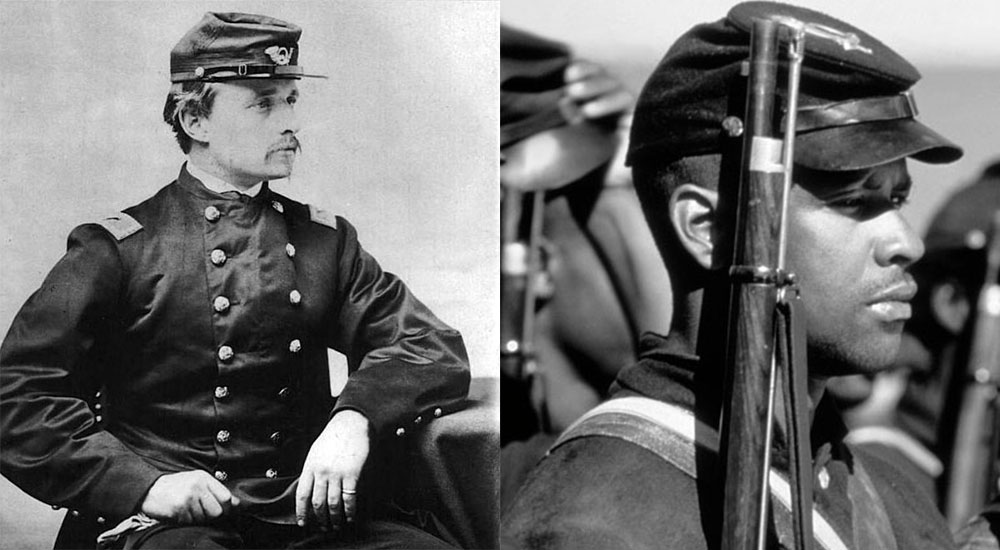
By 1861, Fordham had only about 100 graduates, yet 23 alumni served in the Union Army, 12 fought for the Confederacy, and three Jesuit professors were military chaplains. At President Lincoln’s request, Archbishop Hughes even traveled to Europe to garner support for the Union.
Most famously, former student Robert Gould Shaw commanded the 54th Massachusetts Infantry, the country’s first unit of free Black soldiers. Their bravery was immortalized in the 1989 film Glory, featuring Fordham’s own Denzel Washington ’77 in an Oscar-winning performance.
The National Pastime and an All-Time Winning Tradition
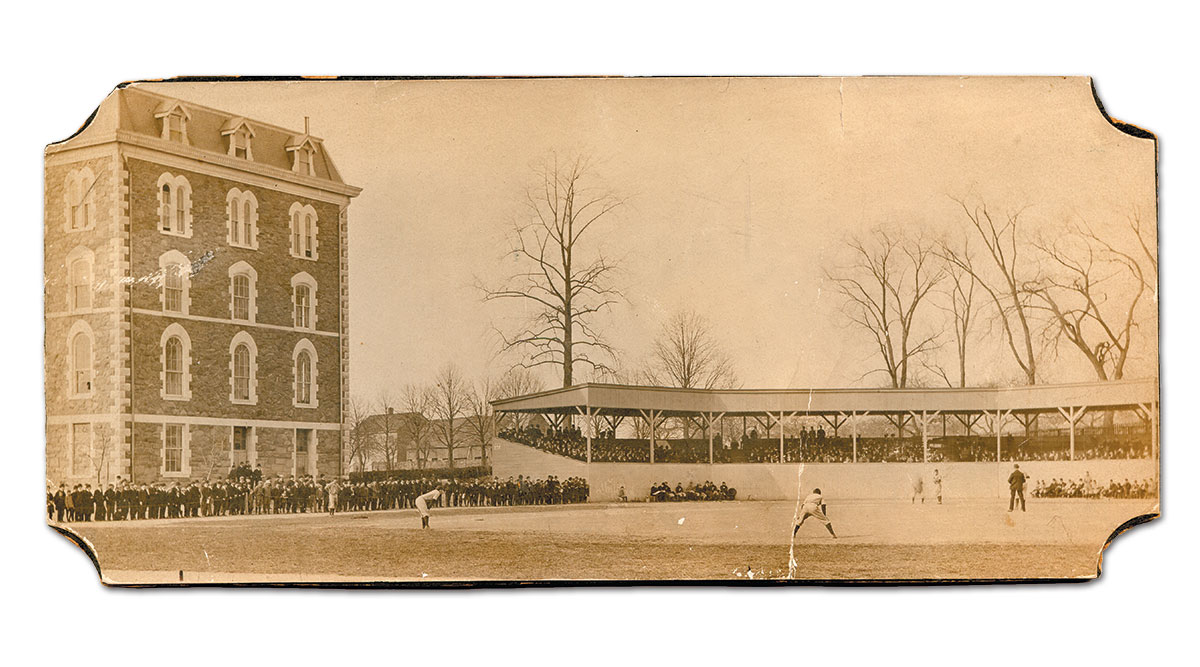
Fordham’s baseball lore began on November 3, 1859, when the Rose Hill Base-Ball Club won the first college game played under “New York rules” (nine men per side), beating Xavier 33-11. It was the first of Fordham’s 4,600-plus wins—the most in NCAA Division I history.
Fordham went on to produce pioneers like Esteban Bellán, the sport’s first Latin American major leaguer; Hall of Famer Frankie Frisch ’20; and the late, legendary broadcaster Vin Scully ’49, long regarded as the “voice of summer.”
Barrier-Breaking Public Service
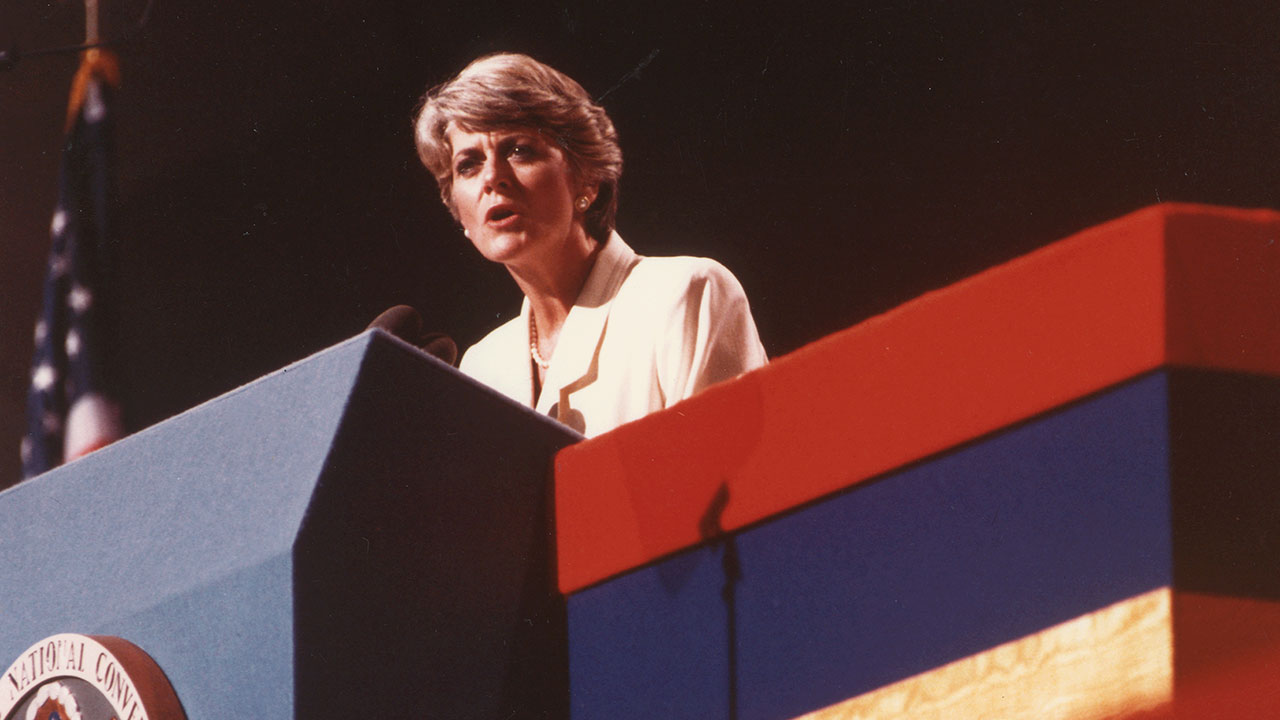
In 1984, Fordham and U.S. history rhymed on the national stage when Geraldine Ferraro, a 1960 Fordham Law graduate, became the first woman nominated by a major party for vice president.
“By choosing a woman to run for our nation’s second-highest office, you sent a powerful signal to all Americans,” she said during her acceptance speech. “There are no doors we cannot unlock.”