

In the lead-up to awards season, actors and directors are usually in the spotlight. But behind every Oscar-nominated movie or performance is a screenplay—and in the ultra-competitive film business, it has to be a strong one.
According to Fordham’s Jim Jennewein, a veteran Hollywood screenwriter and professor in the Department of Communications and Media Studies, an effective screenplay has to “communicate the vision of the movie to all the artists and craftspeople involved in making it,” from actors and directors to set designers and marketing teams.
It also has to tell a great story, said Jennewein, who teaches screenwriting courses and has penned several major Hollywood comedies, including The Flintstones, Richie Rich, and Getting Even with Dad.
Drawing on his decades of experience in the movie business and the classroom, Jennewein spoke with Fordham Now about what separates a top-notch screenplay from the rest.
Emotional Depth Matters
First and foremost, a successful screenplay needs characters with a compelling emotional arc.
“A great script has to have an emotional journey,” Jennewein said. “It really only works if it’s working on you internally.”
He pointed to the 1942 film Casablanca, widely regarded as one of the greatest movies of all time. The story follows nightclub owner Rick as he grows from a detached cynic into a selfless hero by the final scene. Though the external stakes are high—Rick is making his beloved Ilsa board a plane without him to escape the Nazis—it’s the emotional weight of Rick’s sacrifice that makes the story timeless.
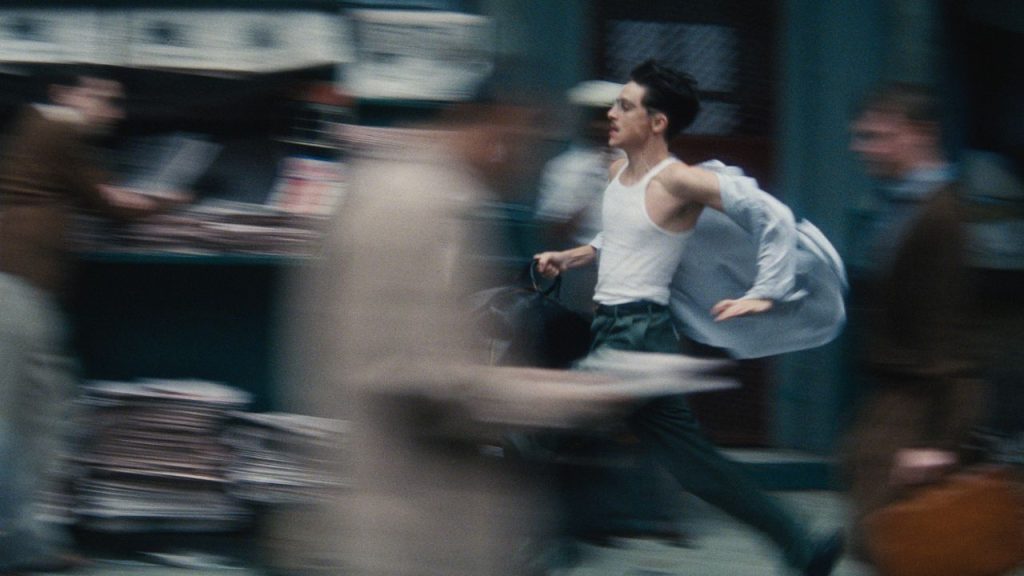
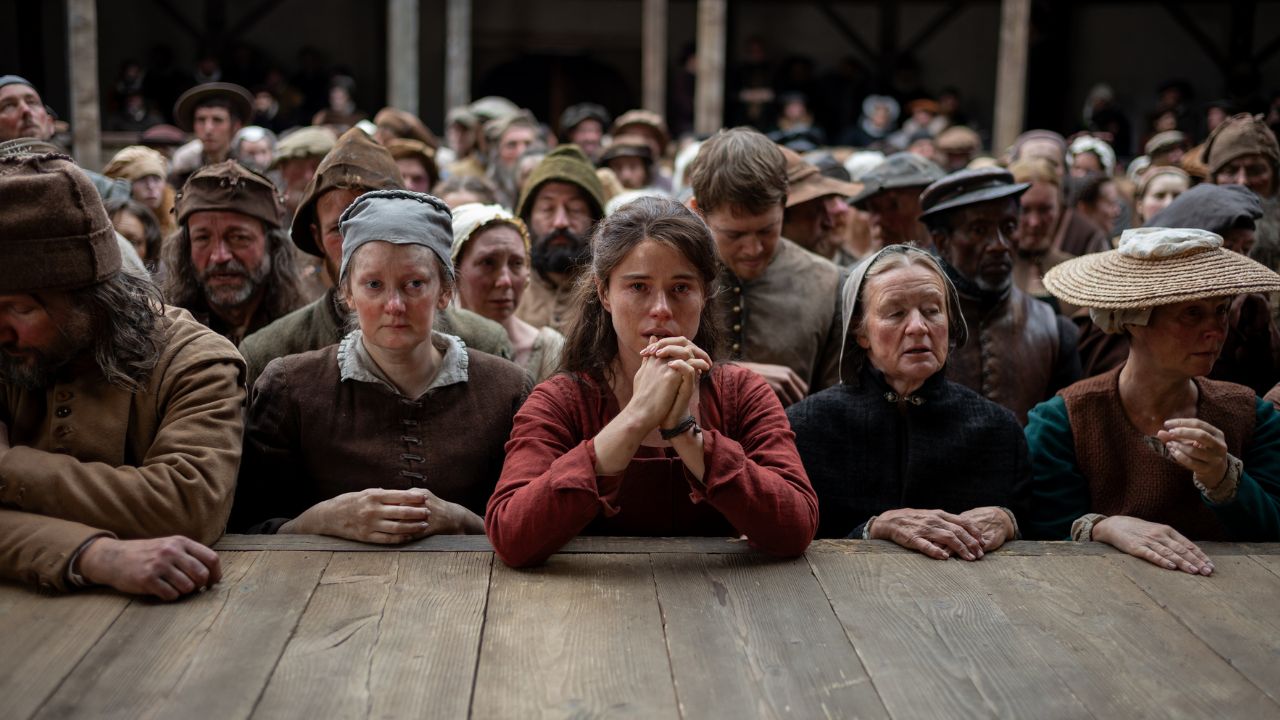
Jennewein said this year’s screenplay nominees also reflect the power of internal storytelling. Sentimental Value (Best Original Screenplay) shows a family confronting intergenerational trauma, while Hamnet (Best Adapted Screenplay) examines the journey of profound loss, grief, and acceptance. Marty Supreme (Best Original Screenplay) fuses high-stakes external obstacles with internal evolution, pulling us along as the protagonist moves from an ego-driven pursuit of glory to a more mature and authentic life.
Originality and Bold Choices
In a marketplace crowded with talented writers, originality is essential. “If your ideas feel familiar or predictable, the script will fall by the wayside,” Jennewein said.
Originality paid off for Sinners, Ryan Coogler’s Southern Gothic vampire epic, which received a record-breaking sixteen Academy Award nominations, including for Best Original Screenplay. Set in 1930s Mississippi, the movie blends period drama, supernatural elements, blues music, and social commentary—an unusual combination that sets it apart from typical horror films.
The Art of Adaptation
Adapting a novel or other source material into a script comes with its own unique challenges, Jennewein said. Screenwriters must distill sprawling narratives, combine or omit characters, and condense timelines. They also must find ways to show the characters’ inner worlds so audiences can grasp the story visually and emotionally.
“In novels, you can be inside someone’s head for hundreds of pages,” said Jennewein. “In a movie, you have to show that journey through action, dialogue, and imagery.”
One of this year’s nominees for Best Adapted Screenplay is One Battle After Another, a reimagining of Thomas Pynchon’s 1990 novel Vineland. The film, which features Fordham alumna Regina Hall, remixes elements of the source material and pares the narrative down, conveying the emotional heart of the story while making many deviations.
“Adaptation is really about being loyal to the essence of what the story is about, not being married to everything that’s in the novel,” Jennewein said.
