

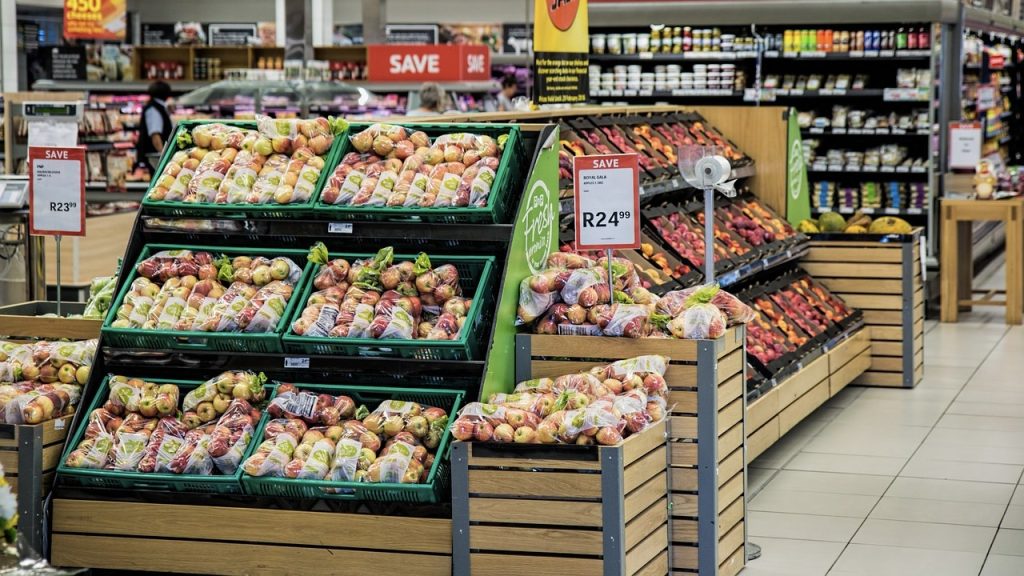
In this opinion piece, Professor of Law Zephyr Teachout said Zohran Mamdani’s proposal for city-run grocery stores is plausible.
“[Mamdani] proposed piloting five city-run grocery stores. Voters loved it. Pundits mocked it. The idea was labeled communist, irrelevant, dangerous and silly. But the mockery missed the larger point: Cities have the power to bring down food prices and bring life to food deserts. They just haven’t been using it.”
“The food system in the United States is rigged in favor of big retailers and suppliers in several ways. Big retailers often flex their muscles to demand special deals; to make up the difference, suppliers then charge the smaller stores more. Those discounts are one reason independent grocers struggle to survive. They’re a major reason we have food deserts. They’re also a major reason that prices are so insane.”
“The thing is, preferential discounts can violate federal law. A 1936 statute called the Robinson-Patman Act forbids suppliers from offering sweetheart deals that aren’t based on actual efficiencies of scale. The idea behind the law was to make sure smaller retailers could get a fair shake and consumers could get the benefit of real competition. But in the 1980s, amid a general climate of deregulation, the government largely backed off. For the two decades after 2000, no cases were brought at all.”
“Cities like New York don’t have to wait for the federal government to act. They can pass their own laws against price discrimination and include real penalties. That could improve profit margins for existing independent stores. It would help them to survive in the areas where people most lack access to good, affordable groceries and fresh food. And it would incentivize more small groceries to set up shop — all developments that could bring the kind of neighborhood-level competition that drives down prices.”
