

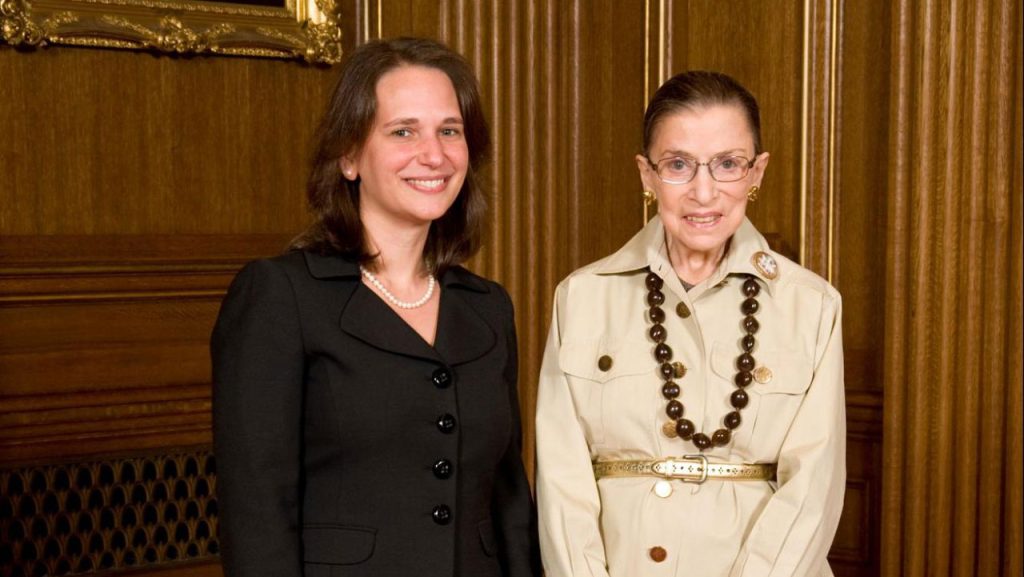
In honor of Women’s History Month, we asked female faculty and staff members to name a woman who helped shape their careers. Their mentors included the pioneering Supreme Court justice above plus a famous media mogul—as well as women within Fordham whose influence was just as great.
Balancing the Personal and the Professional
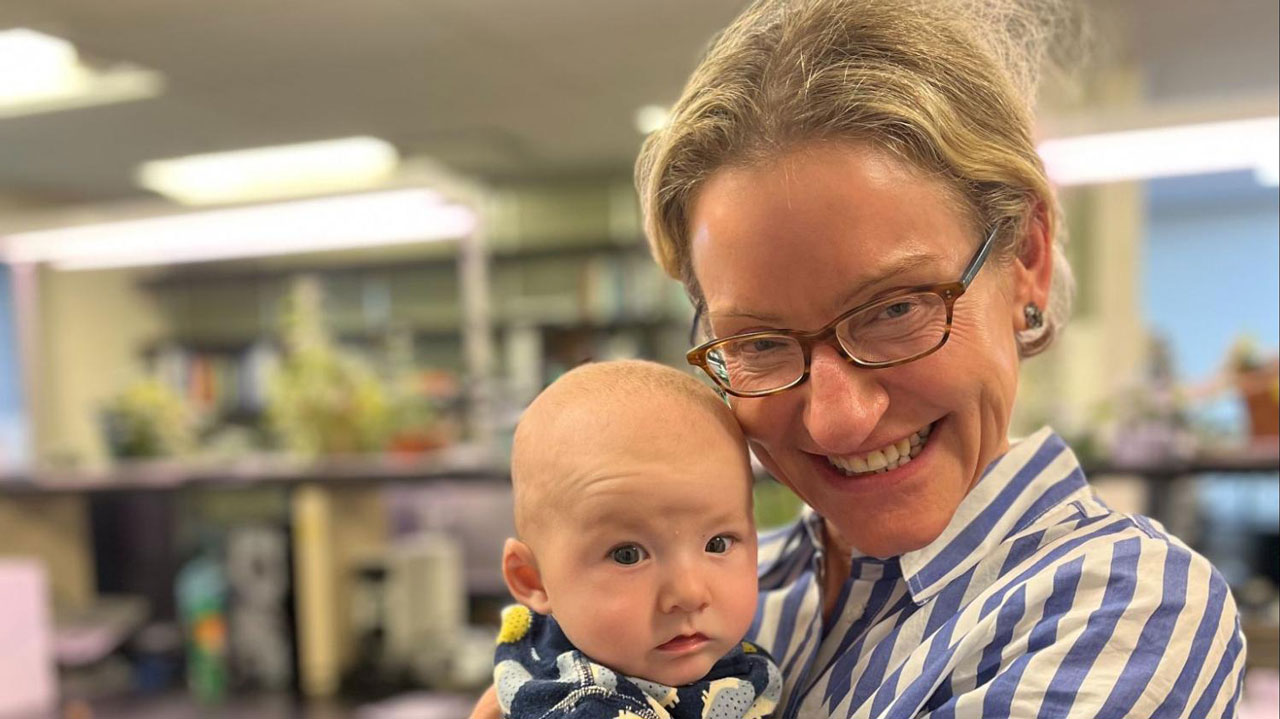
Katie Turo, PhD, assistant professor of biology at the Calder Center, researches the causes and consequences of biodiversity change, with a focus on pollinators such as forest bees. Many of her mentors taught her how to run a lab, which she is recruiting students to work in this fall. But Rachael Winfree, PhD, a professor at Rutgers, was the first to model what it looks like to balance research and family life as a female scientist.
When Turo gave birth to her second child while working as a postdoctoral researcher in Winfree’s lab, for instance, Winfree traveled to Vermont to scout a research site on Turo’s behalf.
“She’s one of the few women in STEM that I know who also had kids when she was a postdoc. She really understood the realities of what that’s like and supported me during that sensitive career stage. I wouldn’t be here at Fordham without her help.”
A Year with the Notorious RBG
“The honor of a lifetime” is how Fordham Law professor and associate dean of academic affairs Pamela Bookman describes clerking for Ruth Bader Ginsburg from 2009 to 2010. The late Supreme Court justice, she said, cared deeply about the people behind every case and was meticulous in the opinions she authored.
“We would write her a rough draft, and she would demolish it and rewrite it entirely,” Bookman said. “It was so important to her to explain in understandable terms what the law was and why it was, to make people feel heard and to take all arguments on all sides seriously,” she said. “It was all toward this end of making sure that people see the law as an instrument of justice.” To this day Bookman edits her writing with the same eye for clarity that Ginsburg sought. “I try to live up to being worthy of having worked for her.”
Learning Nothing Is Impossible
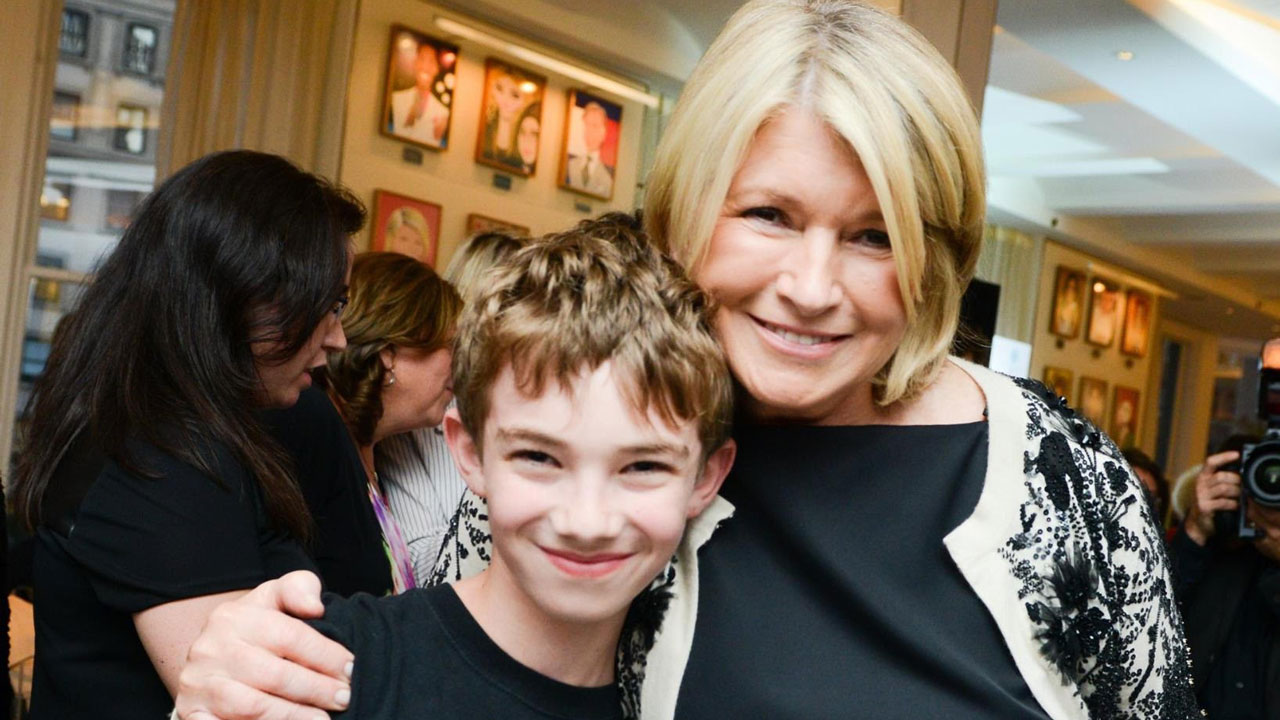
Ruth Feldman, senior creative director of University Marketing and Communications, spent eight years living out a dream: working for Martha Stewart.
“She had so much to teach me and I absolutely loved working there and loved working for her,” said Feldman. She rose to senior vice president and brand ambassador at Martha Stewart Living Omnimedia, launching international editions of Martha Stewart Living and Martha Stewart Weddings from Thailand to Tel Aviv.
“She never thought anything was impossible,” said Feldman, who learned from Stewart “that it’s okay to want things to be perfect, and that I didn’t have to apologize for that.”
Stewart was revolutionary for her time, said Feldman. “She started at 50. She’s still going strong, well into her 80s, and I saw her evolve with the times. She elevated the everyday and made what some people deemed inaccessible accessible.”
From Mentor to Peer
Laurie Lambert, PhD, associate professor of African and African American Studies considers NYU professor Aisha Khan, PhD, one of her first mentors. She served on Lambert’s dissertation committee and helped her with the publication of her first two articles. Over time their relationship evolved. “We are colleagues and friends now,” said Lambert, “and she cares about my professional well-being, but she also just cares about me as a person.”
Lambert continues to learn from Khan, “just by looking at how she has approached her career.” But she’s happy to be a sounding board for her, too. “That’s really great, right? That somebody who has seen you come up as a student now recognizes your own expertise and values your opinion and acknowledges you as a peer and as a thinker.”
Mother Knows Best
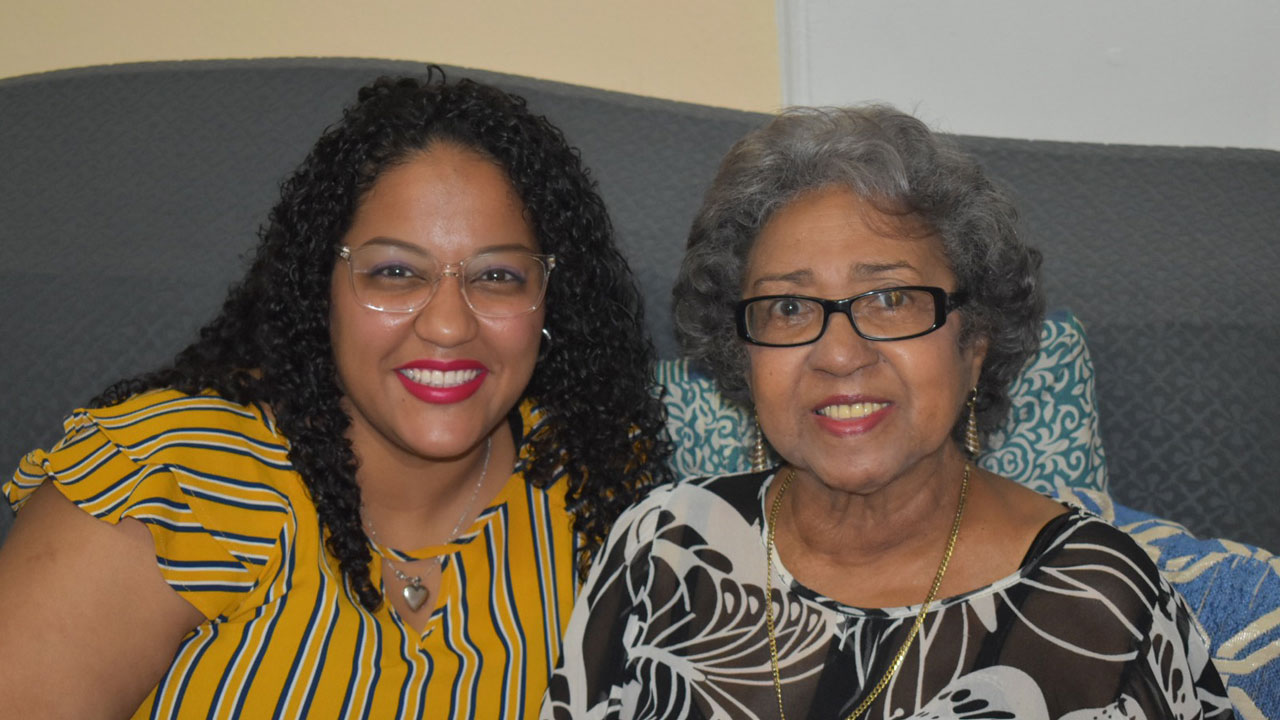
Maria Rodriguez-Gomez’s mother emigrated to the U.S. from the Dominican Republic, determined that her children would surpass her own fourth-grade education. So when Rodriguez-Gomez left college to have her first child at 19, her mother pushed her to return and get her bachelor’s degree. “I can say now she was right,” said the associate director for engaged student learning in the Center for Community Engaged Learning (CCEL). Years later, another mentor, Keisha Shay, PhD, assistant vice president and director of CCEL, pushed her to enter grad school. “She did not let up. I’m grateful and thankful for that, too,” said Rodriguez-Gomez, who is two semesters into earning a master’s in management at the Gabelli School.
Permission to Say No
Maggie Oliver, associate director of academic effectiveness and accreditation at the Gabelli School, has learned many things from her supervisor and mentor Greer Jason-DiBartolo, PhD, associate dean of strategic initiatives and executive director of operations. One of the biggest lessons? It’s OK to be protective of your time and energy.
“The really important mentorship piece that Greer has brought to me is, you don’t have to say yes to everything, especially if [by saying no to some things], it means you can say yes to something that’s really good or really important.”
Oliver also said Jason-DiBartolo helped her overcome impostor syndrome. When Oliver felt she was undeserving of a very complimentary performance review, Jason-DiBartolo asked her to point to one thing that was untrue. She realized she couldn’t. “That changed my thinking about myself,” said Oliver.
