As the nation marks Women’s History Month, women across disciplines at Fordham are engaged in research that serves women on multiple fronts—studying cancer and menopause, exploring how to support women’s and girls’ mental health and social wellness, or writing the history of pivotal moments in the fight for equity. Here are just a few of their projects:
Taking On an Aggressive Breast Cancer
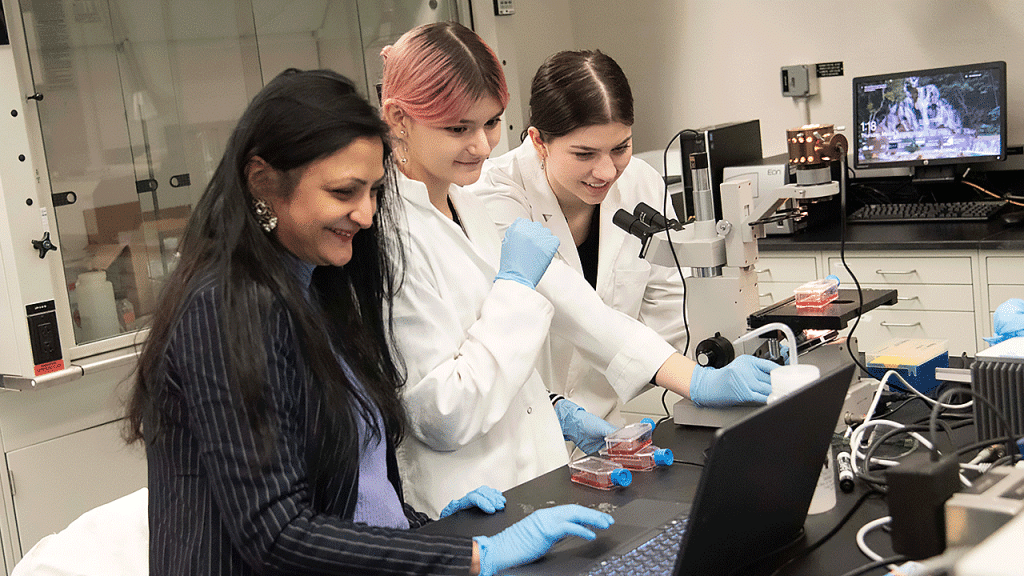
Biochemistry professor Ipsita Banerjee, PhD, and her students are developing a new treatment for an aggressive type of breast cancer that’s resistant to hormone therapies. And to do that, they’re putting tumor cells within lab-grown replicas of human tissue to learn how the tumor would respond to the treatment in its typical environment. Testing it on tumor cells alone “really does not mimic the tumor’s microenvironment in real life,” Banerjee said.
Her female students working on this project say they find it fulfilling to focus on women’s health. “It keeps us going,” said one student, Liana Cutter, who is happy to know that “the research that I’m doing will ideally help women … with these diseases that are so terrible.”
A New Look at Menopause and the Brain
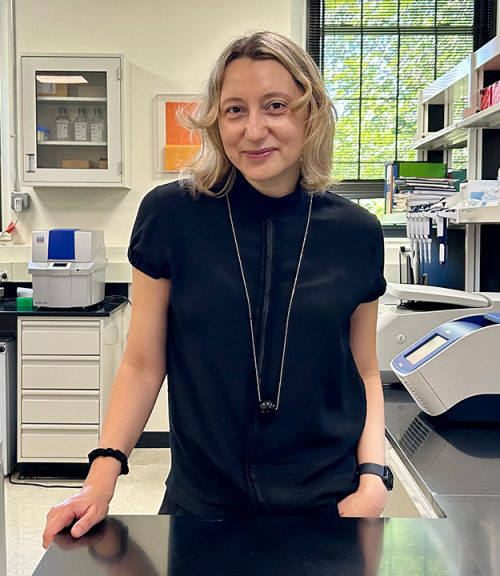
The transition to menopause carries a higher risk of depression, psychosis, and other mental health issues—an under-studied problem that is the focus of groundbreaking research by Fordham biology professor Marija Kundakovic, PhD.
This year, she is undertaking the first study of how the menopause transition affects the brain at the cellular and molecular levels, hoping to bring about new treatments to help women through the mental health challenges of a life stage “that is not being talked about enough,” she said. (Kundakovic will speak about menopause at TEDx Fordham University on March 26.)
Using Storytelling to Nurture the Mental Health of Young Latinas
Fordham social work professor Jenn Lilly, PhD, is taking an innovative approach to addressing the disproportionately high rates of depression, anxiety, and suicide attempts among teenage Latinas. After engaging New York-area Latinas in a mental health study, she worked with the participants and partner organizations to translate the findings into ’zines and a short film. Next, she’s developing an app to help Latina mothers and daughters overcome a cultural stigma around discussing mental health.
“The main message is that help-seeking is not a sign of weakness,” she said. “We’re really using the power of storytelling to make these insights more memorable, more likely to be acted upon.”
Coming Together to Support Mothers
Lilly’s fellow social work professor, Rahbel Rahman-Tahir, PhD, partnered with Brooklyn’s Little Pakistan community to conduct a study of Pakistani mothers. Among other things, the study found an aversion to seeking out social workers or helplines among those with the most severe mental health troubles.
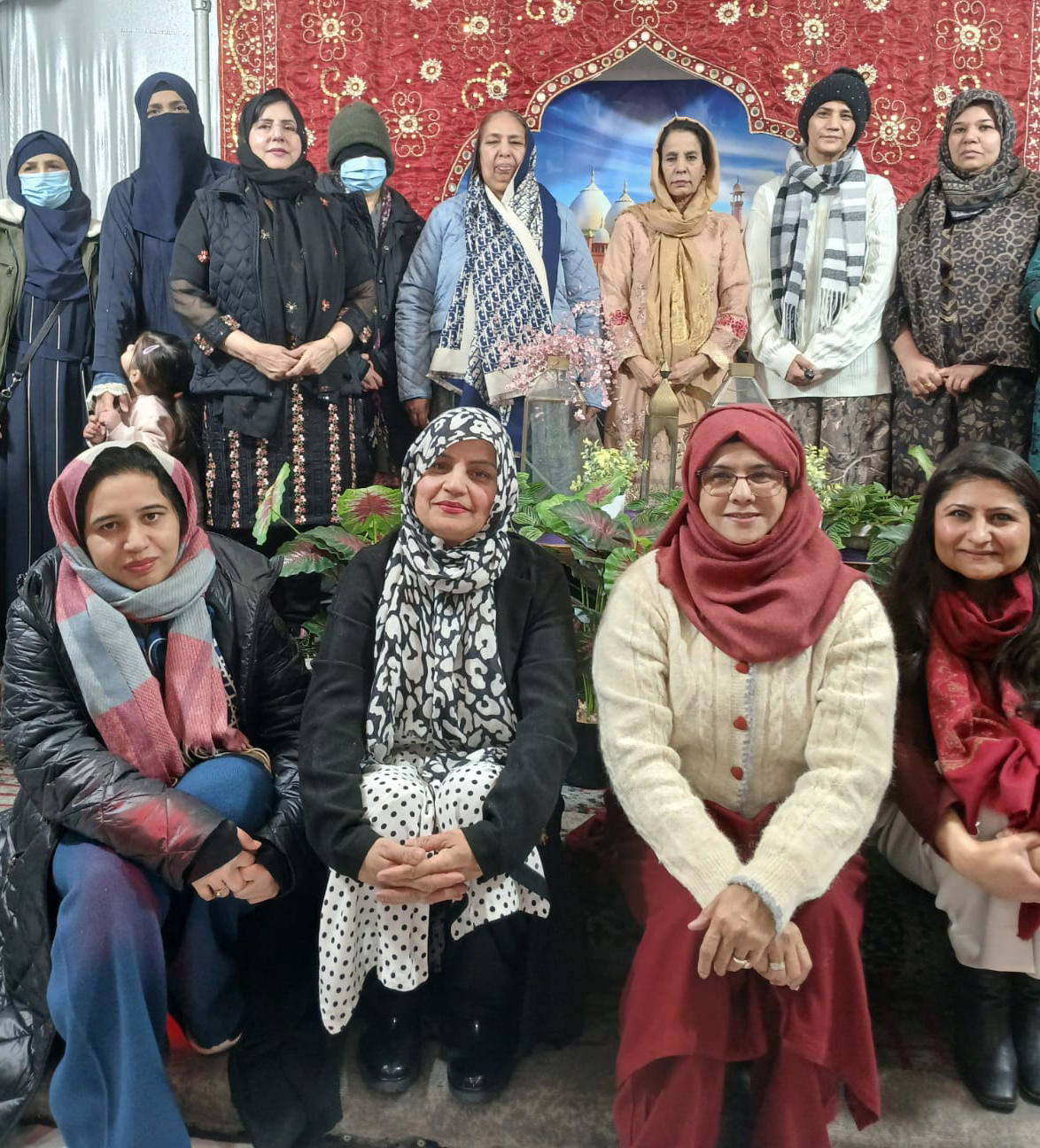
Seeking outside help “becomes perceived as a personal failure,” she said. Instead, the women sometimes turn for help to live-in family members who may have fueled their mental health woes through emotional abuse.
Rahman-Tahir and the community members are following up with an awareness campaign to reduce stigma so that mothers feel comfortable using mental health services.
They also came up with recommendations like promoting mental health screenings for mothers during pediatrician visits and ensuring that mental health education takes place “on a family level,” she said.
Studying the Social Ties That Help Older Women Thrive
How can women thrive in retirement, avoiding isolation and loneliness? Psychology professor H. Shellae Versey, PhD, is getting at this question through studies of older Black women living alone in urban centers, like Philadelphia, where her recent study indicated that their community ties helped protect their mental and physical well-being.
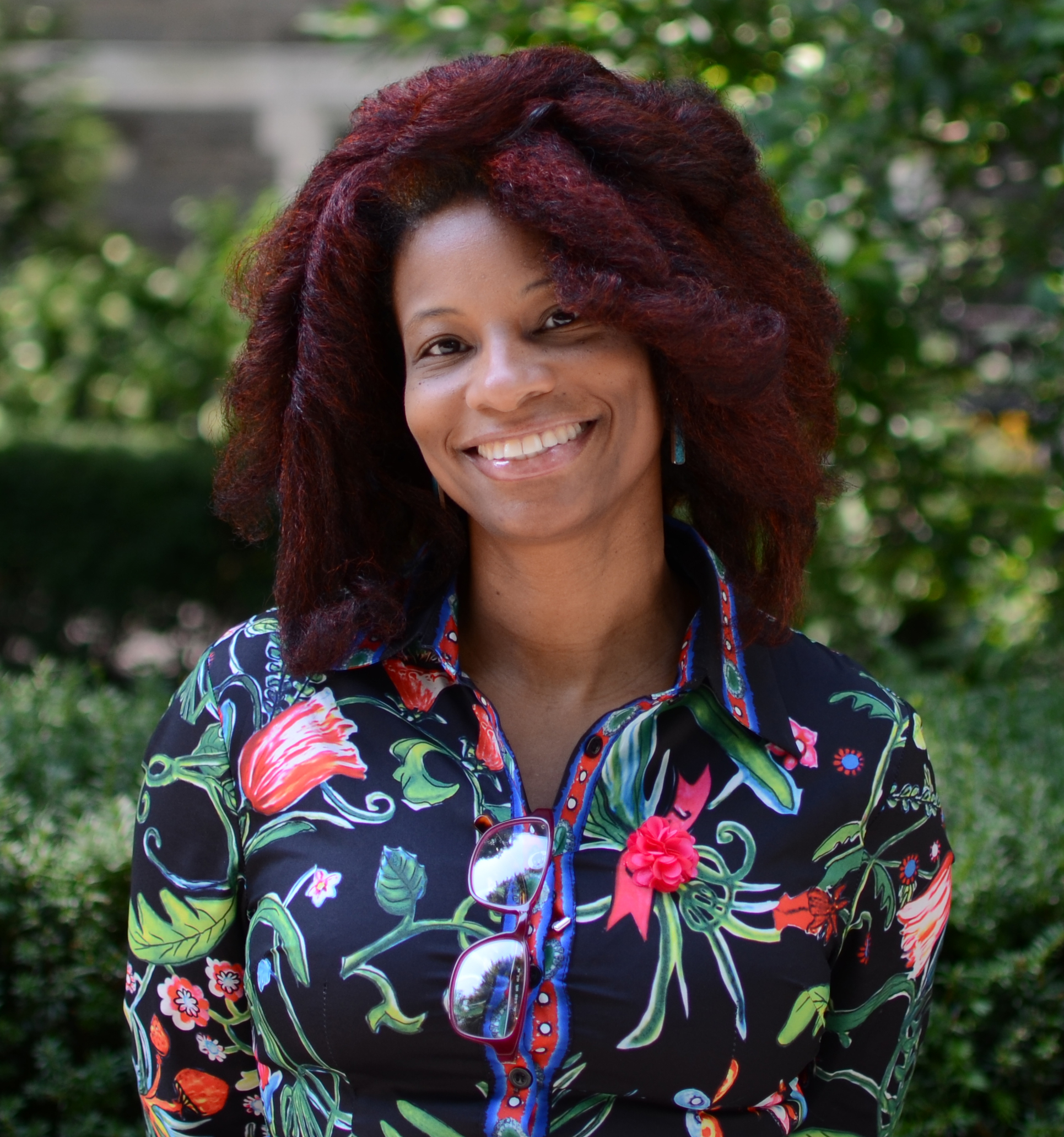
She’s preparing for a follow-up study in Los Angeles and New York, seeking further insight into an under-studied population.
“We think about older couples or maybe older adults, but we don’t necessarily consider the experience of women [aging alone],” she said.
Studies of this population “can give us some indicators on why they’re living longer lives, and how they can live well.”
Charting the Feminist Push for Childcare and Family Leave
History professor Kirsten Swinth, PhD, has written about the feminist fight for universal childcare, flexible work schedules, and other policies that would help mothers lead full, independent lives. Right now she’s researching the feminist labor leaders who helped secure passage of the federal- and state-level family leave laws. And her forthcoming book examines how the idea of the working family has evolved to reflect a more flexible, and equitable, sharing of household duties.
Social movements and societal leaders are important for such change, but so are “tough conversations inside families,” she said. “I think that micro level of change is a way of tackling some of the tougher underlying [attitudes]and habits … that we live our lives by.”