

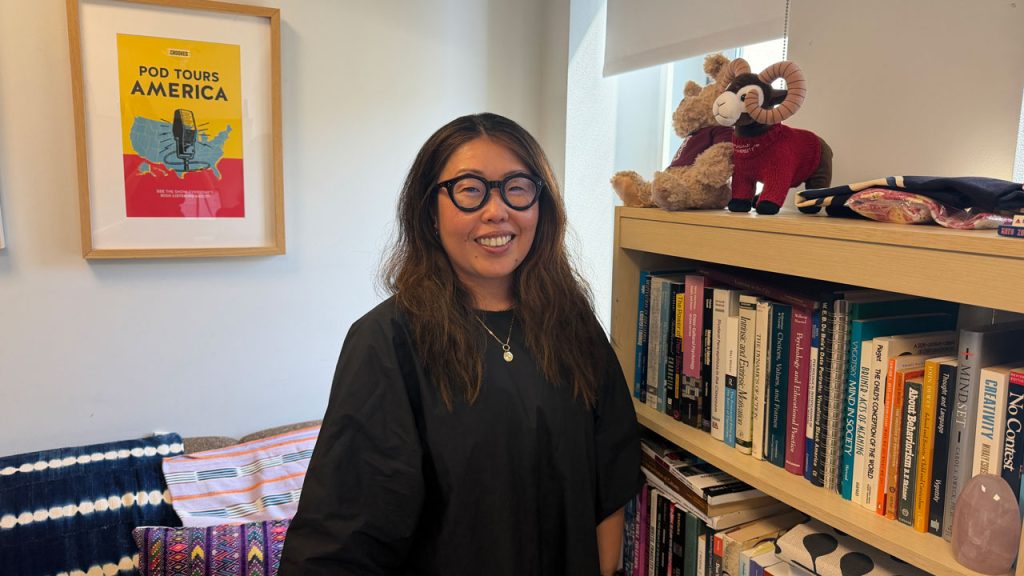
A new grant received this July will support Fordham’s research into the best ways to help Bronx youth thrive.
The $650,000 Institutional Challenge Grant is administered by the William T. Grant Foundation, a national funder of social science research. It will support a project aimed at alleviating youth inequality in partnership with Graham, a historic nonprofit serving youth and families that is led by a Fordham grad.
Together, Fordham and Graham will study how to create more equitable education and workforce pathways for Bronx youth affected by the child welfare system. In the long term, the grant also challenges both institutions to create a lasting framework for community engaged research.
Its principal investigator, Fordham’s Akane Zusho, PhD, said the University’s community research initiative Bronx Research Institute for Community Solutions (BRICS) made Fordham competitive for the funding.
“We help faculty develop true partnerships with community-based organizations,” said the Graduate School of Education professor, who manages BRICS with Keisha Shay, PhD, assistant vice president and director of the Center for Community Engaged Learning (CCEL), and Emily Lopez, PhD, senior director for community leadership development at Graham and a BRICS senior research fellow.
Jenny Irons, senior program officer at the William T. Grant Foundation, oversees their Institutional Challenge Grant program. “The grant reflects not only the strength of the proposed work,” she said, “but Fordham’s commitment to supporting engaged research.”
Supporting Youth Through Education and Employment
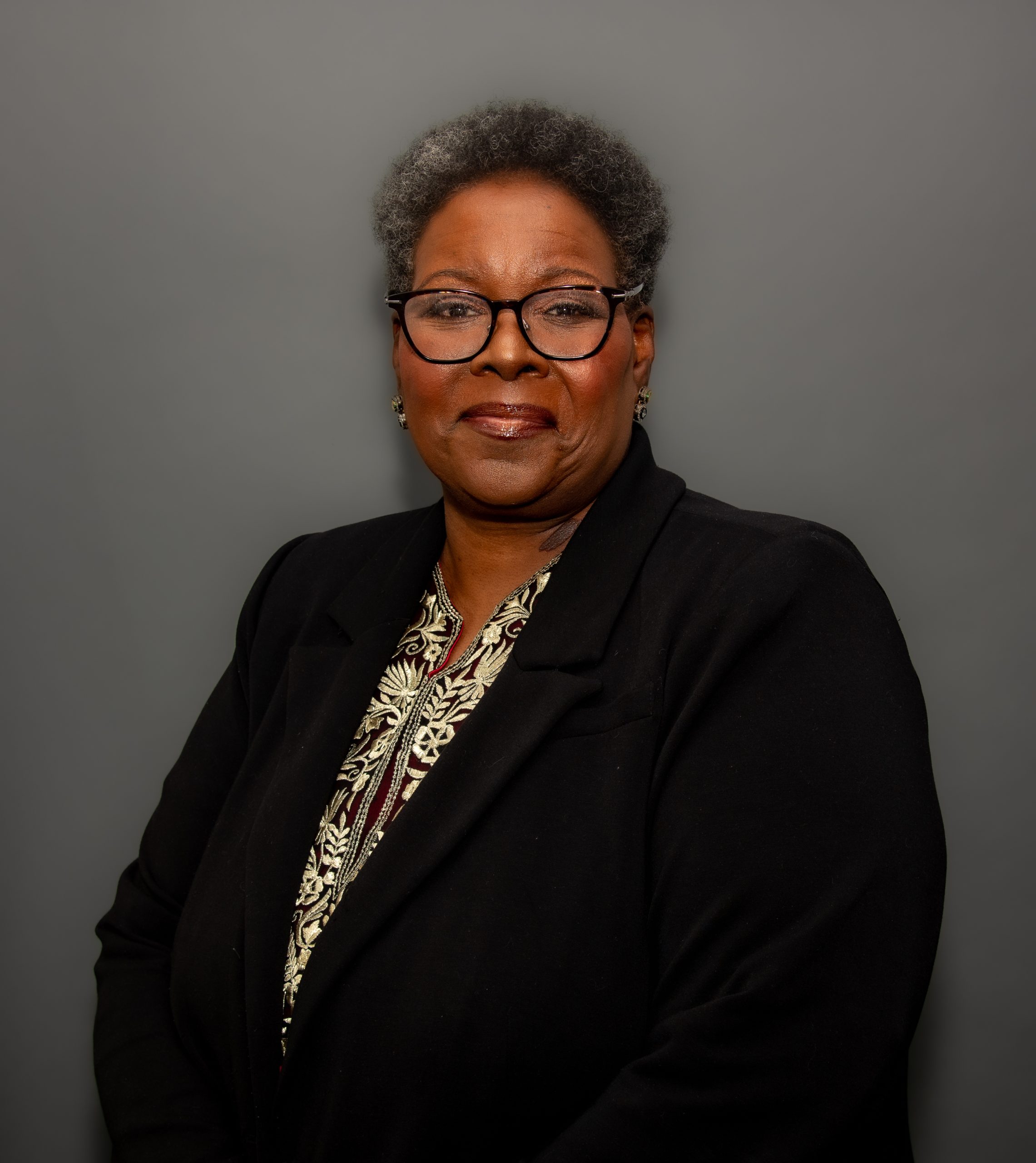
Fordham psychology professor Shellae Versey, PhD, will join Shay and Zusho on the project as a research fellow. Together they will help Graham with two initiatives. The first, Graham SLAM, has already seen great outcomes with its long-term coaching of foster youth: 75% of participants graduate from high school, well above the national average. And the brand-new Graham WORKS will extend this coaching model to help more young adults build sustainable careers—“ones that will help them thrive, not just survive and live paycheck to paycheck,” said Graham President and CEO Kimberly Hardy Watson, who earned her bachelor’s at Fordham.
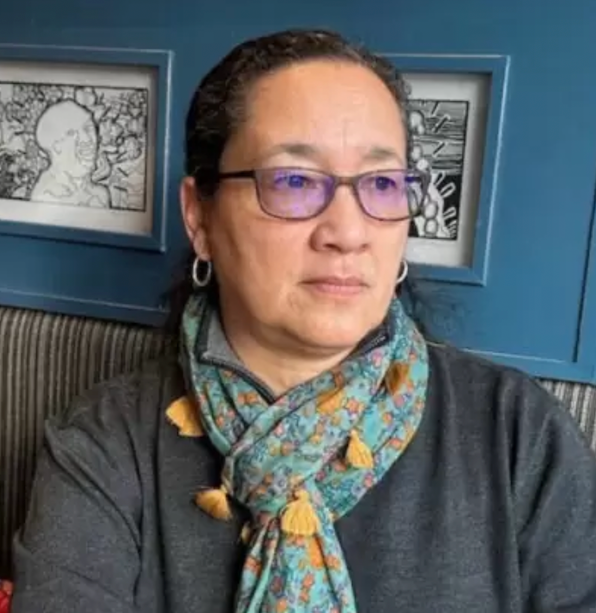
Lopez said young adults and families will help shape the research, define meaningful outcomes, interpret findings, and identify the kinds of long-term employment support they need. To pave the way for their input, Zusho is working with Fordham’s Institutional Review Board to adapt new review processes for participatory research where youth and community members can act as co-researchers rather than subjects.
“This is really a comprehensive look at how a community can offer its voice in research. And it will demonstrate what’s actually going on in the community so that we can make comprehensive change,” said Lopez.
Codifying Collaborative Scholarship at Fordham
The grant challenges both partners to make institutional changes that will benefit collaborative, engaged research in the long term. For Graham, the work will strengthen its capacity to integrate data into ongoing efforts to improve youth and family programs.
For Fordham, the challenge lies in changing academic culture and norms. “Our tenure norms are still focused on individual achievement,” said Zusho. She and her colleagues will work to revise GSE policies and evaluation practices so that rigorous community engaged and collaborative scholarship is appropriately recognized when professors come up for promotions and tenure.
“If we say that we value this kind of work, it needs to be codified somewhere in our tenure norms,” said Zusho.
