

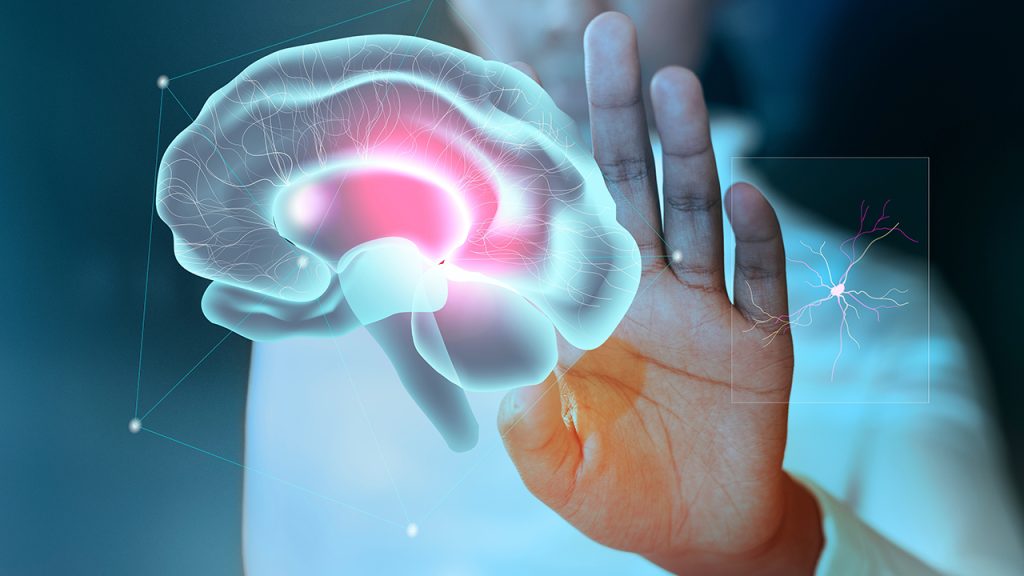
A Fordham biology professor is leading the first study examining how the transition to menopause affects the human brain at the cellular and molecular levels, supported by $2.8 million in funding from the National Institutes of Health (NIH).
The study aims to pave the way for better treatments for mental illness related to the menopause transition. Women’s greater risk of mental illness during this period is “under-studied,” as is women’s health in general, said the professor, Marija Kundakovic, Ph.D.
In the two to eight years leading up to menopause, which occurs at age 51 on average, women face greater risk of depression, anxiety, panic attacks, and psychosis because of hormone fluctuations. The risk of depression alone, already high compared to men’s risk, is two to five times higher during the menopause transition, she said.
Menopause Transition, Depression, and Anxiety
“I think this is something … that is not being talked about enough,” she said. “It’s a very challenging period. This is a period when women are having so much to do generally in their family life. Maybe they have children, maybe they’re caretakers of their parents. Then at work, a lot of women actually become leaders or they actually have … a lot of responsibility during this period. So I believe it’s important to address this.”
To do that, Kundakovic and her research team are pushing past the limits of current science.
Studying Brains Postmortem
Kundakovic’s current research is building on another study that she and her co-authors, which included Fordham faculty and students, published in August in Molecular Psychiatry.
It describes a novel research approach: While the links between the menopause transition and mental illness are known, there was no way to study them at the cellular and molecular level in humans, “because [they] cannot be studied in the living human brain,” Kundakovic said.
So she decided to focus on the postmortem brain instead. Obtaining samples from an NIH brain bank, the team studied a key brain region, as well as the blood and pituitary gland, in 42 people. They found a way to identify and measure 40 biological marks—or biomarkers—that can indicate their menopausal stages at the time of death, which ranged from under 40 to over 55 years old.
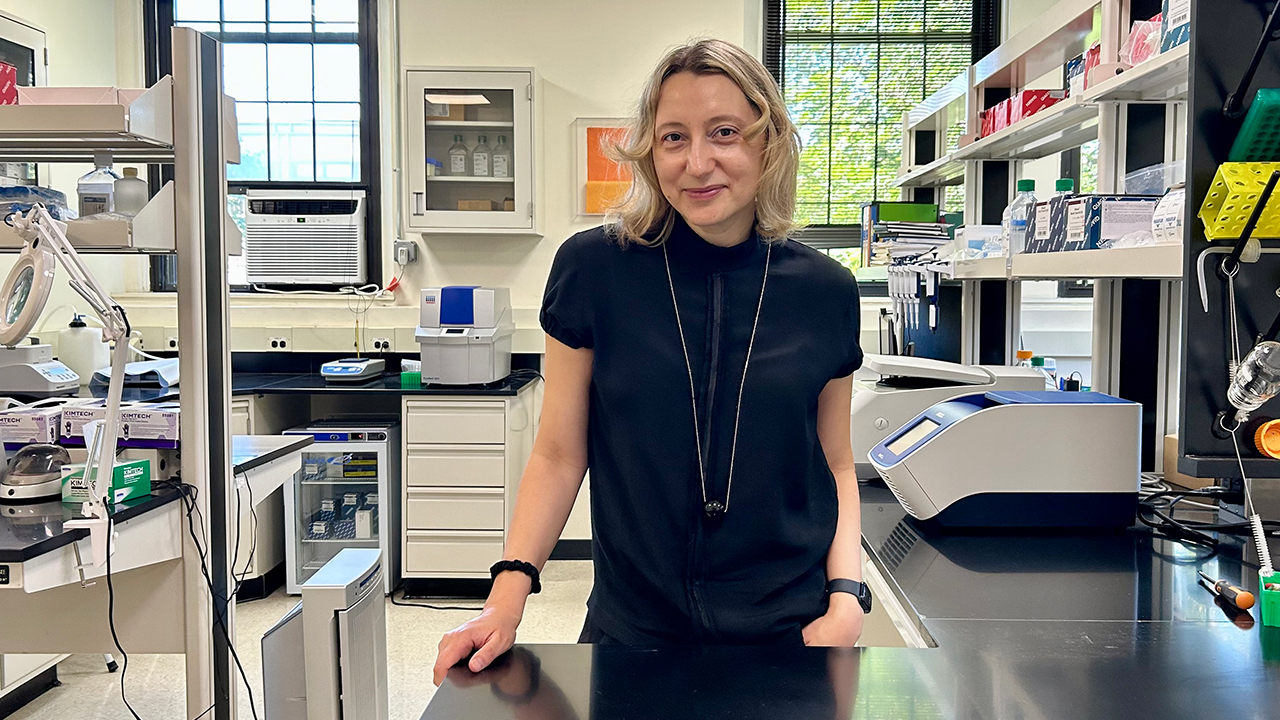
By making it possible to determine the menopausal stage of brain tissues from repositories, which typically don’t have this information, the study opened up new possibilities for studying how the brain is affected by the transition to menopause, she said.
Potential New Treatments
For the new, NIH-funded study, Kundakovic—the principal investigator—and her collaborators from two other universities will delve deeper into the human brain specimens, exploring the cellular and molecular profiles of a part of the hippocampus that regulates emotions and stress to find out how it changes during the menopausal process.
(Important to winning the grant, she said, were studies she conducted over 10 years—published in 2019 and 2022—showing how ovarian hormone shifts affect the brain in mice.)
Her goal is to pin down the molecular-level changes that boost psychiatric risk for women as well as anyone else with ovaries, making possible new treatments that are more precise and effective than current methods. These treatments could provide an alternative to one current option, hormone replacement therapy, which women often balk at because of the potential health risks, Kundakovic said.
She said the August Molecular Psychiatry study identifying the biomarkers has been welcomed by scientists interested in studying other aspects of menopause, like hot flashes.
“I really think it’s going to be a huge legacy of that study, enabling people to ask different kinds of questions,” she said.
Changing Perceptions
She also hopes her work will help change perceptions of menopause and what women have to suffer.
“I think women are … used to this idea that you just have to go through those difficult periods in life, whether that’s puberty, whether that’s pregnancy, whether that’s menopausal transition,” she said. “They [older women] will tell you, ‘Oh, you just go through that.’ But we know that the more knowledge we have, the easier this transition can be.”
