It’s been an unusual year for pollen, with counts falling surprisingly low in May. So what will the fall allergy season look like? Fordham biologist Guy Robinson, PhD, has some predictions, based on his years of studying pollen counts.
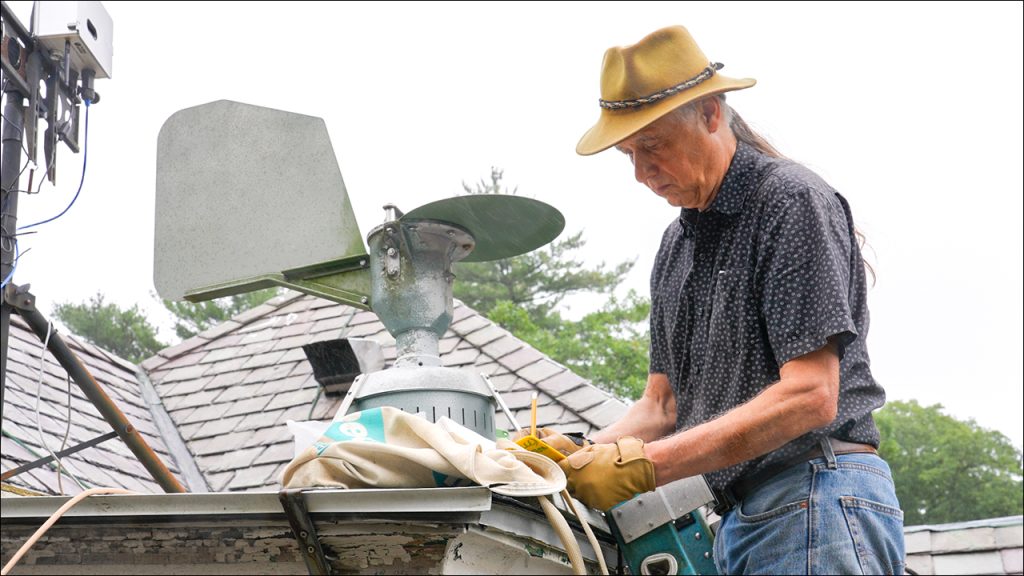
Robinson, a visiting scholar at the University, studies pollen collected at Fordham’s Manhattan campus and at the Louis Calder Center, Fordham’s biological field station in Armonk, New York. As the ragweed season got underway in mid-August, he sat down with Fordham Now to talk about the pollen that will take to the air this fall—as well as policy decisions that have a big impact on what pollen seasons look like.
A Mild Allergy Season
Pollen counts were surprisingly low this past spring, possibly caused by a frost in late April, giving a break to people whose allergies are triggered by birch, oak, sycamore, and other trees releasing airborne pollen. The trace amounts of these pollen grains that can linger in the fall should cause little trouble for allergy sufferers this year, Robinson said.
As for allergens released during fall, these will follow a time-tested pattern, he said, focusing on three of the most prolific allergen-producing plants.
Ragweed, Grasses, Mugwort Peaking
While overall pollen season forecasts tend to miss the mark, local conditions can indicate how intense certain allergens might be, Robinson said. For instance, ragweed, probably peaking in early September, is likely to be more prevalent where the ground has been disturbed—such as suburban construction sites or along rural highways bordered by soil that was churned up by snow plows.
Pollen from hundreds of types of grasses will peak later in September—everything from towering phragmites to the grass in backyards everywhere. “It’s only going to produce pollen if you don’t mow it,” Robinson said. Peaking next will be mugwort, which thrives in weedy areas at the edge of mowed grass, often alongside ragweed.
A Rising Elm Season
Robinson has published research on tree-planting in cities and how it affects people with allergies. In New York City, he said, “we’re starting to get an elm season,” likely because of Chinese elm trees planted through 2015 as part of the city’ MillionTreesNYC initiative. “These trees, they’re getting mature enough, they’re putting out quite a lot of flowers,” he said. “Every year it seems to be increasing.”
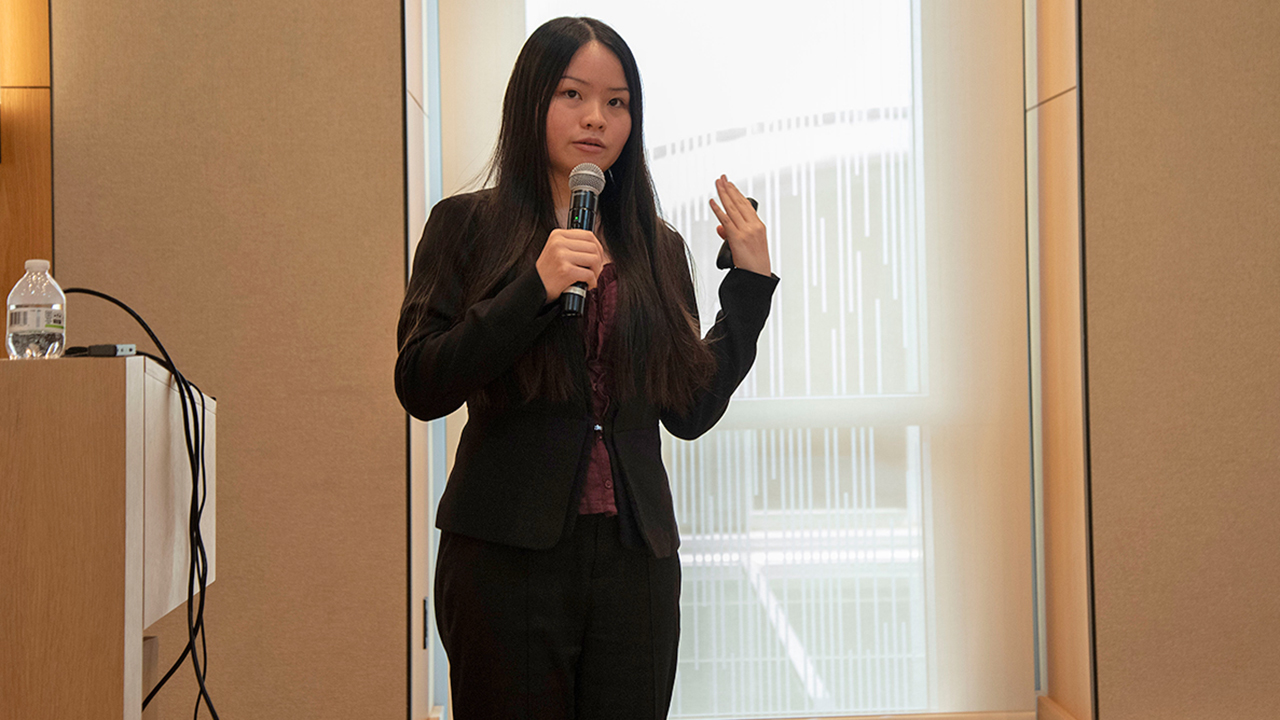
He noted that pollen seasons are generally getting longer because of climate change, a topic that a Fordham student investigated this summer during the Calder Summer Undergraduate Research Program, under his mentorship. Presenting her findings in August, the student, Luisiana Zhang, suggested planting heat-tolerant, less allergenic trees like sweetbay magnolia, dogwood, and tulip trees in urban areas, since these areas “might be more affected by climate change, leading to earlier pollen seasons,” she said.
When reforesting urban areas, planners “should probably be thinking about what [they’re] planting” and how it could affect allergy sufferers, Robinson said.