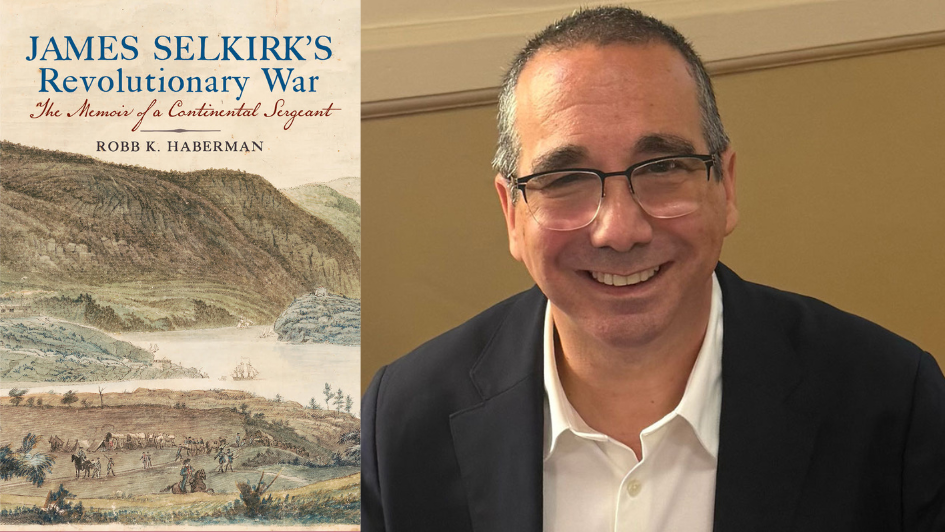
There are very few firsthand accounts of what life was like for a common soldier during the Revolutionary War. But Fordham history instructor Robb Haberman, PhD, recently gained access to a precious primary source: the unpublished memoir of James Selkirk, who served for over seven years in the Continental Army.
For generations, Selkirk’s family had preserved and passed down their ancestor’s memoir, written a few years before his death in 1820. They asked Haberman to annotate and edit the manuscript for publication.
“It really is a once-in-a-lifetime opportunity,” said Haberman, who published James Selkirk’s Revolutionary War in May. “I felt so privileged to be working on this document and to be preparing it for widespread access to the public.”
Below, he explains the value of Selkirk’s rare Revolutionary War memoir, which advocates for veterans’ rights and details the sacrifices these soldiers made for American independence.
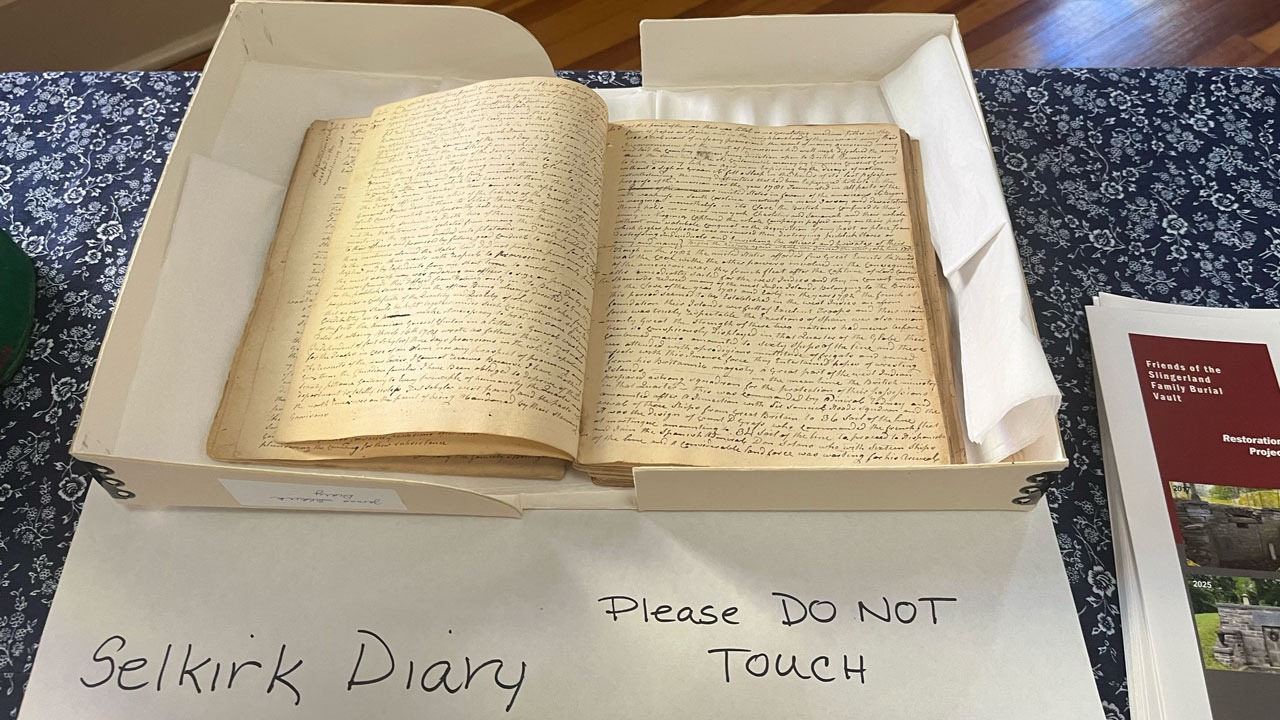
In 1774, Selkirk comes to America alone from Scotland at age 16, seeking employment. Is it unusual that only a year later he sides with the Patriots?
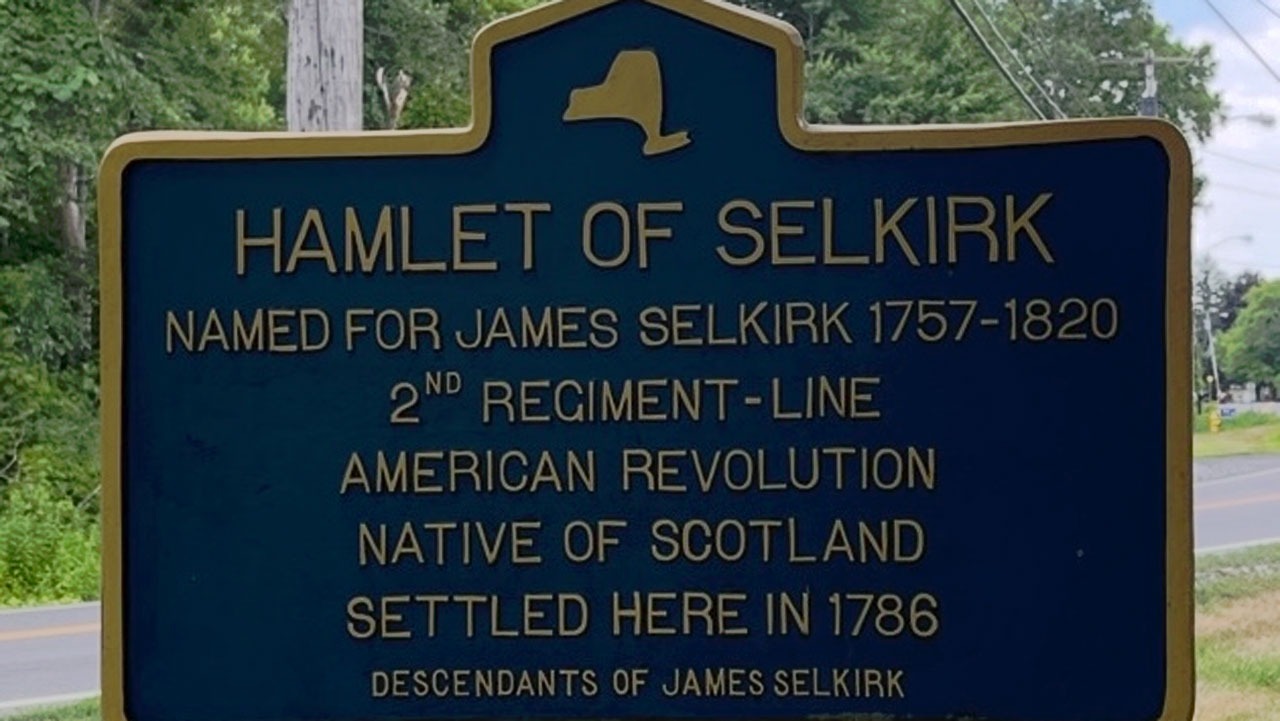
Some Scottish immigrants who came to British North America ended up serving with the British. However, Selkirk joins the Continental Army because he both supports the Patriot movement and he anticipates that he will receive decent treatment. Selkirk writes that a friend who is serving as an officer convinces him to join his company and promises to take good care of him.
This must have been very enticing to Selkirk, because he’s a young man with no family, no money, and no prospects for steady employment. Soldiers would at least be promised regular meals, adequate clothing, regular pay, and the opportunity for advancement in rank.
Most memoirs of Revolutionary War servicemen are written by officers. What is different about Selkirk’s account?
There is one other well-known published memoir of a common soldier, Joseph Plumb Martin. And there are many similar themes between the two memoirs. Both Selkirk and Martin are rank-and-file soldiers who later produce detailed narratives about their extensive periods of service in the Continental Army. I think what is so distinct about Selkirk’s memoir is that he writes in explicit detail about his participation in events that take place in New York state, which was a strategic focal point of the war.
Selkirk participated in the brutal fighting that occurred at the Battles of Saratoga from September to October 1777, for instance. He recalled in his memoir the “melancholy Spectecal” of viewing a battlefield filled with dead and wounded soldiers.
What are some of the other stories Selkirk tells?
For at least a month, Selkirk is camped out in canvas tents in the coldest winter in memory [in Morristown, New Jersey]. And he says it was a miserable time—they’re freezing, they’re starving. He is never really direct in criticizing the civilian and military authorities, but he does state that he and his fellow soldiers deserve better treatment.
When he and his unit are marching through a town, people will sometimes make fun of them because they are poorly clothed and look like scarecrows. He says civilians don’t appreciate that they are putting their lives on the line for American independence.
Selkirk also complains that civilians are unwilling to provide him and his fellow soldiers with food or a place to sleep. One time he’s at a farmhouse and the woman there doesn’t want to give them food. Selkirk says he started singing and his other soldiers in his unit join in, and this woman is so entertained by them that she gives them a meal. He literally had to sing for his supper.
He also has a great quote where he says, “The regiment was my home and the Company the family I Belonged to.” And when he leaves the Army, he’s depressed. He spent his youth fighting this war that they have emerged victorious from and he’s celebrating it, but now he’s worried about, how do I start a family? How do I make a living? Where am I going to live and settle down? And he says it was very difficult for him to part from his fellow soldiers.
Selkirk says that he is writing this memoir to remind Americans of the sacrifices the military and civilians made for their independence, and to preserve the history of the war. But you believe he is also calling attention to the rights and recognition that veterans deserve, right?
Yes. When Selkirk is writing this, there’s a nationwide debate over whether Revolutionary War veterans should be awarded federal pensions for their service. And I believe that this is another key reason why Selkirk writes his memoir. He wants to shape public opinion to support the Revolutionary War Pension Act of 1818, so that citizens understand that these veterans are in need of financial aid, because many of them are impoverished and having a hard time in their old age.
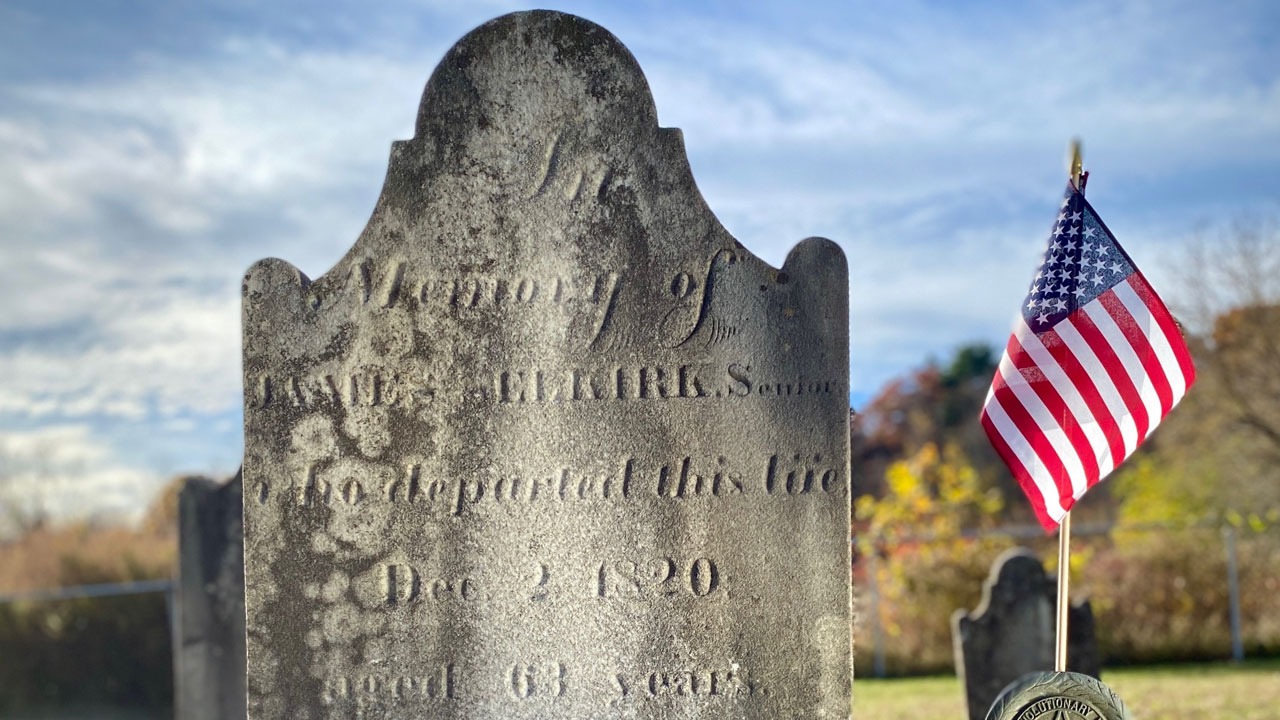
Selkirk dies in 1820, soon after the pension plan goes into effect. And he only gets about $185, but later on, his wife, Elizabeth Henry Selkirk, is allowed to apply for these benefits, which she receives.
How do Selkirk’s descendants feel about the book?
When I first met Ron Selkirk, the family patriarch and the one who was mostly responsible for bringing me on, he said, “I want a published copy of the memoir so I can give this to my children.”
When I went to the June 20 book signing in upstate New York, it was an extended Selkirk family reunion. I gave him and his family copies of the memoir, and it was a very special moment.
This interview has been edited and condensed.