There are many exhibitions and documentaries commemorating America’s 250th birthday. But a trip to a historic, Revolutionary-era site is a much more interactive way to revisit the nation’s founding. Below, three Fordham faculty members shared their favorite early American battlegrounds, towns, and landmarks to seek out this semiquincentennial summer.
The Cradle of Political and Artistic Revolution
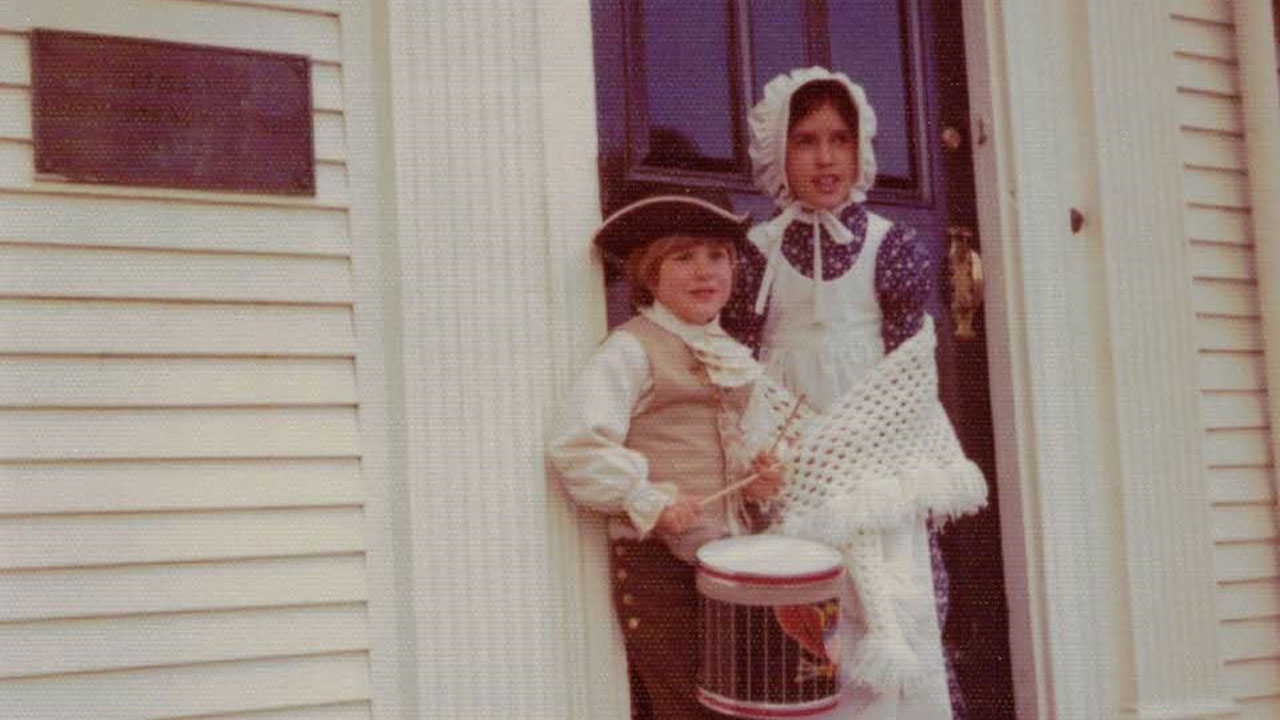
Growing up in Lexington, Massachusetts—home of the Revolutionary War’s first battle—Maria Farland, PhD, was steeped in early American history. As a child, the English professor celebrated the bicentennial in 18th-century garb and met President Ford, who came to town for the battle reenactment. One of her first jobs at age 12 involved sorting through the artifacts of a Revolutionary War veteran. Later, as a teenager, she gave tours of Revolutionary War sites as well as Louisa May Alcott’s “Little Women house.” (Her neighbor Bill McKibben wrote about coming of age in such a storied setting in his memoir, The Flag, the Cross, and the Station Wagon.)
It’s this nexus of political and literary history that make Lexington and Concord (where the battle quickly progressed to) so compelling to visit and to study, said Farland. “It’s a place where we celebrate rebellion and the principles of that rebellion as well as this history of creativity and utopian communities.”
She recommends visiting the following spots to soak it all in:
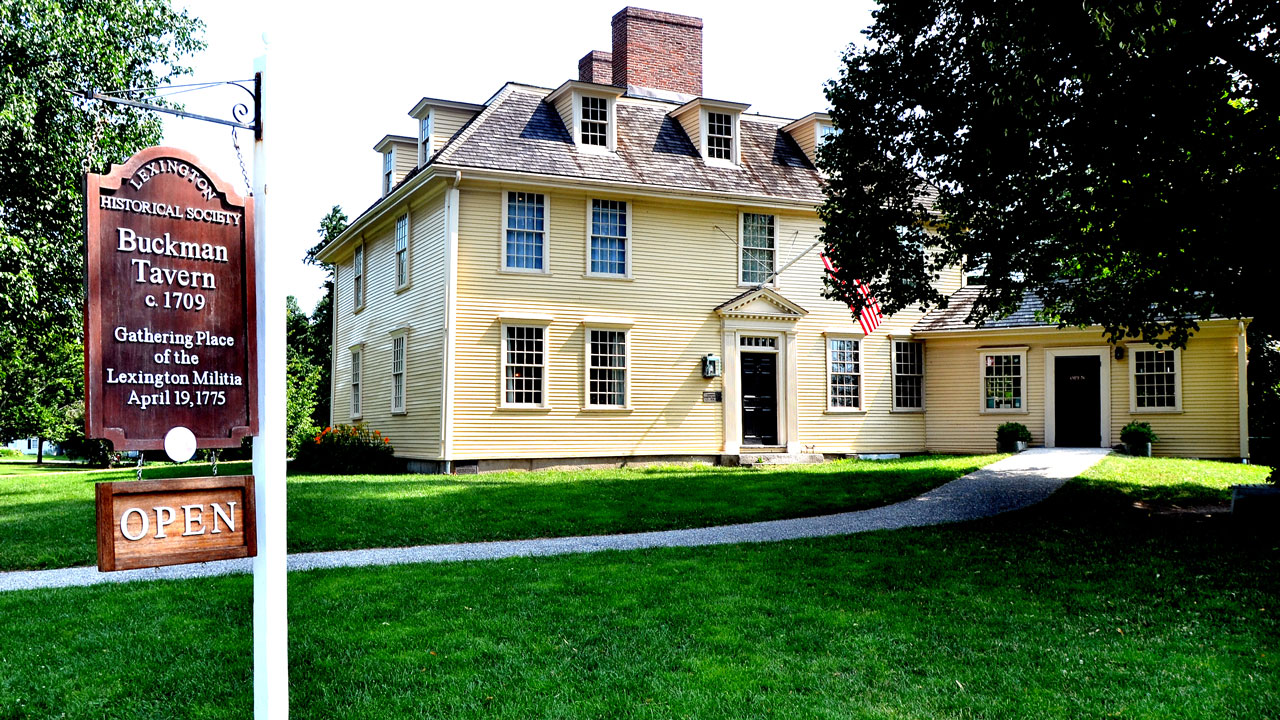
- Lexington Battle Green: As British troops marched to Concord in April 1775, they first faced off with members of the Lexington militia on this battlefield. Nearby in Buckman Tavern (now a museum), “all of the soldiers gathered while waiting for the British,” said Farland.
- Battle Road: Farland recalls when modern structures were removed from this byway, which is the route Paul Revere rode to warn Patriots of the advancing British troops. Today it’s lined only with Revolutionary-era homes and buildings within Minute Man National Historic Park. (“It’s just tremendously beautiful,” she said, referring to the preserved wooden houses in this area.) Along the way you can stop at the homes of Alcott and her neighbors Nathaniel Hawthorne and Ralph Waldo Emerson.
- Concord: The famous “shot heard round the world” was fired at North Bridge, marking the colonists’ first known volley against the British. Concord is also “one of the most superlatively beautiful towns in all of America,” said Farland. See Sleepy Hollow Cemetery, where the above authors are buried, and Concord’s Colonial Inn, one of the many homes where Henry David Thoreau’s family lived.
Revolutionary History Close to Home
While everyone fixates on the events in Boston or the Continental Congress in Philadelphia, “New York,” said history instructor Robb Haberman, PhD, “was considered the epicenter of the American Revolution.” The British occupied the city from late summer 1776 until November 1783, and throughout the war, he said, one of George Washington’s main goals was to take back New York City from the British.
Here are some sites Haberman suggests visiting to celebrate Washington’s victory:
- City Hall: A British barracks sat in the current home of City Hall for most of the war, a symbolic place for George Washington to have the Declaration of Independence read aloud to his troops on July 9, 1776. In celebration, the Patriots marched to Bowling Green and toppled a statue of King George III on horseback. (Much of it was melted into musket balls for the Continental Army, but the tail ended up at The New York Historical.)
- Federal Hall: Washington was inaugurated at this Wall Street-area landmark in April 1789, and the building served as the nation’s first capital, housing Congress, the Supreme Court, and the earliest executive branch offices.
- Fraunces Tavern: After Washington retook Manhattan in 1783, he held a famous farewell dinner with his officers in this 264-year-old pub, the oldest in New York. You can see a piece of his famous false teeth!
- Trinity Church: The cemetery here is filled with founding-era figures, including Alexander Hamilton and his wife, Elizabeth Schuyler.
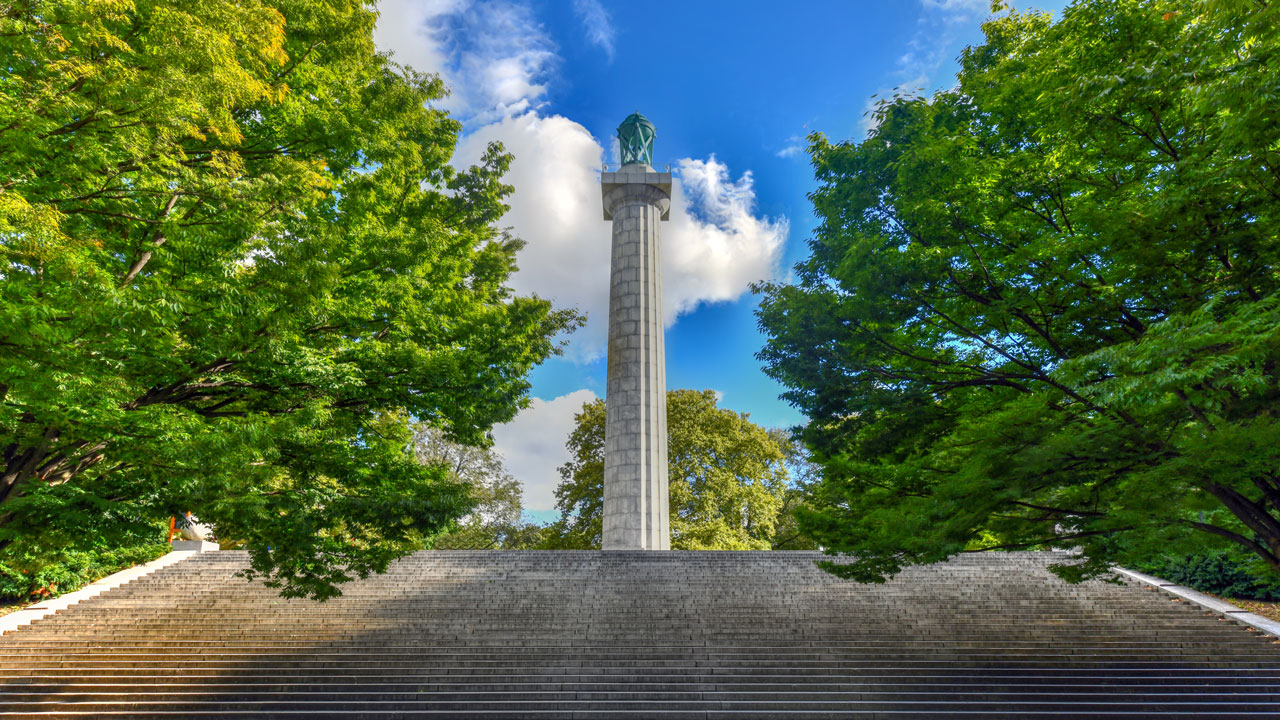
- Prison Ship Martyrs Monument, Fort Greene Park: Created in remembrance of the more than 11,500 American prisoners of war who died on British prison ships in the New York harbor, this memorial is also a burial site for their remains that washed up on the Brooklyn waterfront. “It’s a mass crypt,” said Haberman.
Family-Friendly Living History
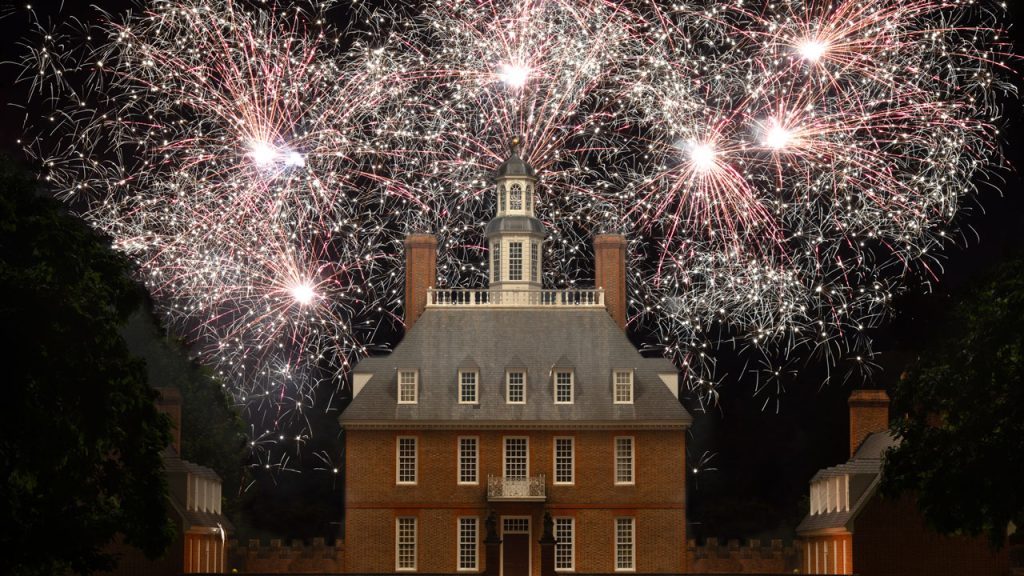
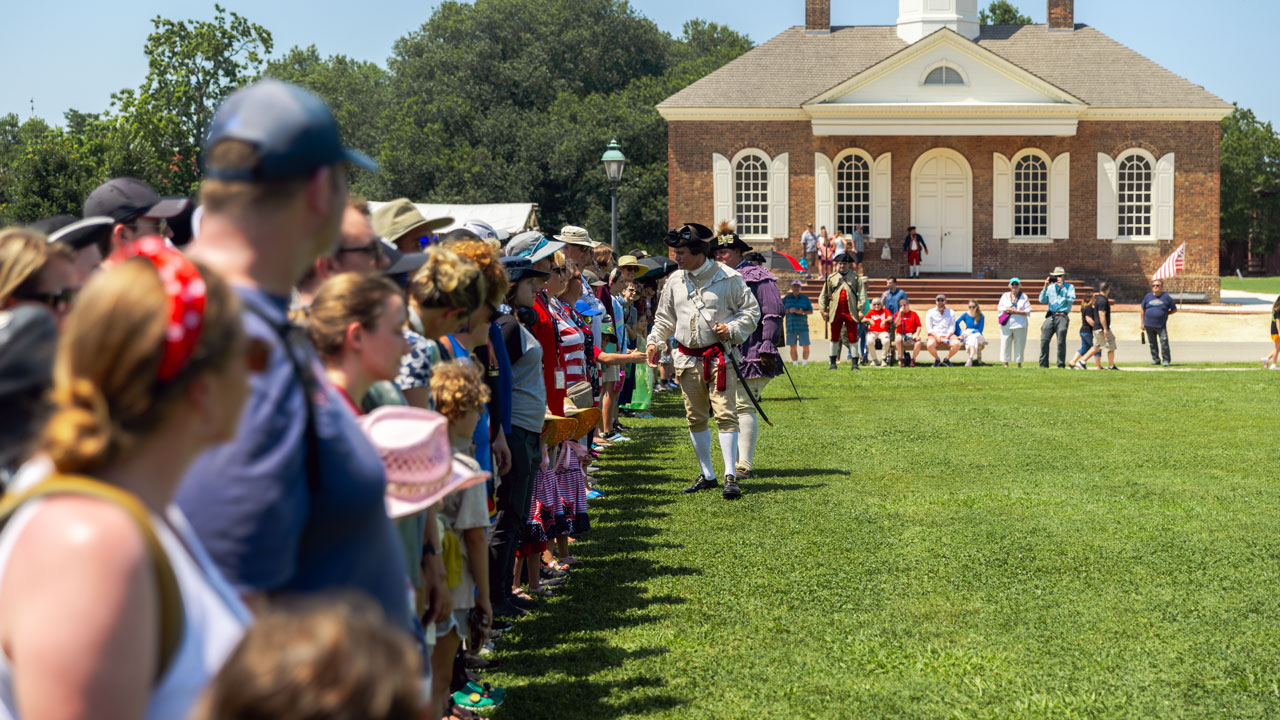
Sociology professor Matthew Weinshenker, PhD, and his wife share a love of early American history, which translated to a lot of summers visiting historic sites with their two children. Colonial Williamsburg, the reconstructed, 18th-century capital of Virginia, remains one of their favorite trips for its array of tradespeople and reenactments that go beyond battles (think dances, plays, even a witch trial).
“It’s very different from just going to a museum,” said Weinshenker. “There are professional actors playing Thomas Jefferson, Martha Washington, and other figures. Artisans are doing things the way they used to be done. You can interact with them and it immerses you in a way that’s really fun.”
Their passion for history has rubbed off: One of their children is now in college and working for Historic Richmond Town, a living history site on Staten Island.