

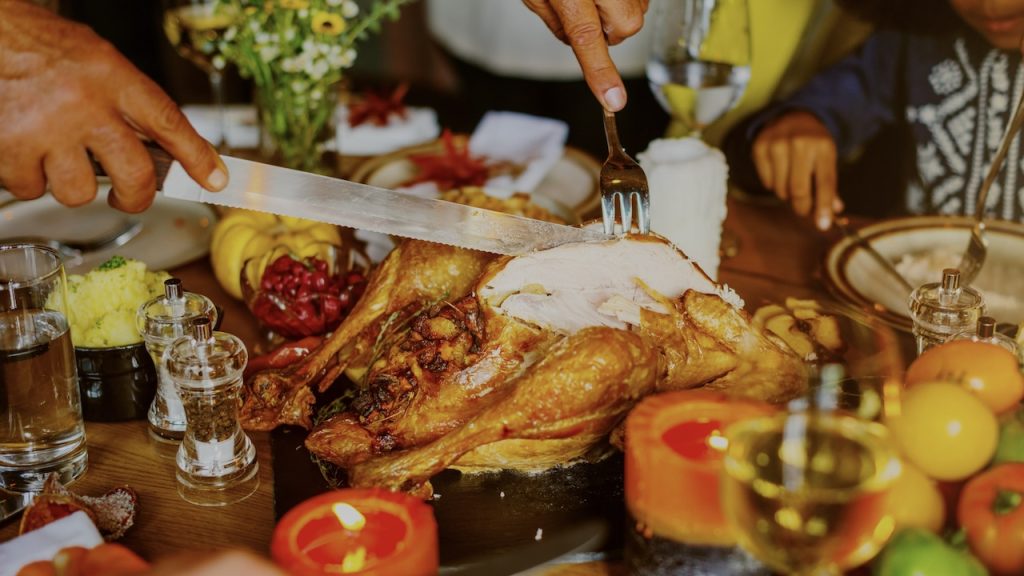
Turkey has been a centerpiece of Thanksgiving meals since the 1800s, and home cooks are still tinkering with this tradition—brining, stuffing, not stuffing, trussing, frying, and finding other creative ways to dress up their birds.
We spoke to three chefs in the Fordham community—two professionally trained, and one expert home cook—who shared their favorite methods for making turkey and its essential counterpart, gravy. May their tips and tricks inspire you to try something new this holiday.
Turkey No. 1: The Everything Is Better With Bacon Method
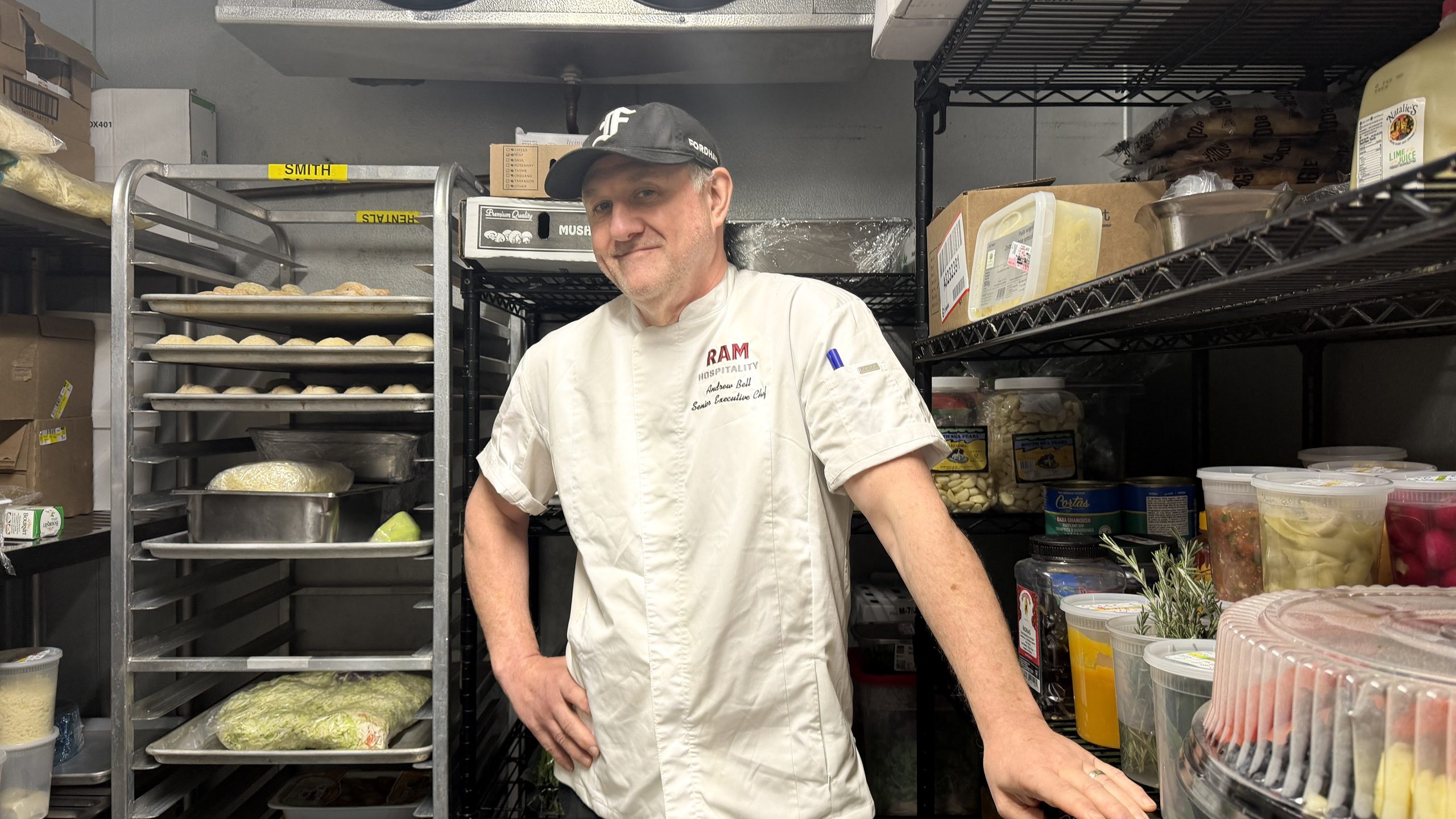
Andrew Bell, senior executive chef of Ram Hospitality, is a Culinary Institute of America (CIA) grad who relies on his mother’s turkey recipe for his family feast. The over-the-top trick he borrowed from her is to wrap the bird in thin slices of applewood-smoked bacon to add moisture, salt, and a hint of smoke as it cooks. He also stuffs the turkey with orange halves and rosemary and pours two quarts of stock into the pan near the end of roasting to create a base for gravy.
“I’ve had incredible turkey before using different techniques,” he said. “But the little hint of orange and the herbs along with the saltiness of the bacon in this version is my favorite.”
The full recipe is below.
Turkey No. 2: The Space-Saving Spatchcock and Grilling Method
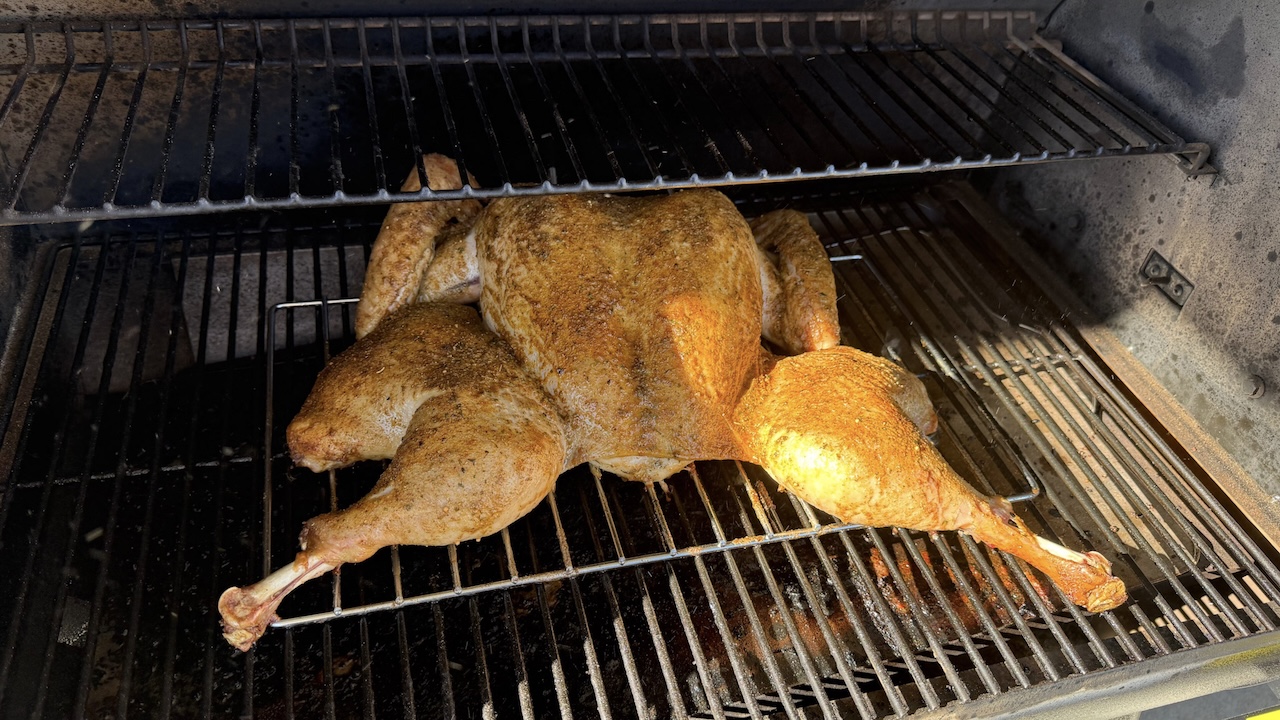
Mark Lenz, senior director of strategy, research and performance in University Marketing and Communications, has a smoker and a deep fryer at his Brooklyn home, and he has used both to make his Thanksgiving turkey. But his hands-down favorite method is splitting the bird down the back, spatchcock-style, and grilling it. This preparation saves space in the fridge, frees up the oven for side dishes, and cuts the cooking time to a couple of hours.
It’s also more flavorful. “Not everybody loves turkey—but people do like that grilled flavor, especially charcoal grilled, and you get that with this,” he said.
Method: Spatchcock a fresh 10-12 pound bird, reserving the backbone and neck for stock. Dry brine it with kosher salt (about 1 tablespoon per 4 pounds of meat) for a maximum of three days in the refrigerator. The night before Thanksgiving, uncover it in the fridge and let it air dry, which will help crisp the skin during cooking. Then grill—this video walks through all the steps.
Gravy: Lenz makes gravy before Thanksgiving. He roasts the turkey backbones, turkey neck, and chicken neckbones in the oven until brown; adds them to a crock pot with carrots, onion, garlic, parsley, thyme, sage, peppercorns, two whole cloves and water to cover. Then he simmers it for 4 to 8 hours, strains, and refrigerates it overnight. The next day, he skims the fat from the stock to make a roux with flour for 3 to 5 minutes, slowly whisks in stock, adds salt or bouillon to taste, and simmers to the desired thickness.
Turkey No. 3: The Salt It and Forget It Method
Brooke Thomas, director of presidential operations, has the good fortune of being married to a CIA grad. Unlike Chef Bell, her husband Jonathan Dixon didn’t pursue a professional cooking career, but he did write about his culinary school experience in the book Beaten, Sauced, and Seared: On Becoming a Chef at the Culinary Institute of America. He’s in charge of the turkey at home—“He’s quite good with it,” said Thomas—and his austere approach involves just a generous amount of kosher salt inside the cavity and out before it goes in the oven. No brining, no butter or oil on the skin, and no basting—which he calls “a complete waste of time” given the heat loss from opening and closing the oven and the juices that just drip down the skin (Even Bell admits that basting is more preference than proven enhancement).
“A turkey is only going to be so good,” Dixon said, speaking the silent truth out loud. No matter how hard you try to improve its taste, “no one’s life is going to be changed by that turkey.”
Method: Set the oven to 375°F. Salt the bird inside and out. “Put it in and just let it go,” said Dixon. A 13-pound turkey should take about 4 hours. Start checking it at 3.5 hours. You want the turkey to be at about 155 in the thigh area, then pull it out and let it rest for a minimum of 30 minutes for maximum juiciness.
Gravy: Rest turkey on platter and pour drippings from roasting pan into measuring cup or fat separator. Add just enough boiling water to pan to lift up browned, flavorful bits, pour it all into a saucepan, and simmer. Separate 80 percent of fat from drippings, reserving the juices. Add reserved drippings to saucepan, supplementing with chicken stock if needed. Make a slurry of equal parts flour and cold water. Add a little at a time to saucepan, whisking and simmering until your preferred consistency. Salt to taste and strain “if you must.”
Recipe: Andrew Bell’s Thanksgiving Turkey
Ingredients:
1 20- to 24-pound turkey
6 oranges, halved
10 whole peeled garlic cloves
5 sprigs fresh rosemary
20 sprigs fresh thyme
1 pound applewood smoked bacon (not thick cut)
kosher salt
black pepper
1/2 lb butter
2 quarts of turkey or chicken stock
Method:
Set oven to 325°F. Generously season the turkey with salt and pepper. Stuff turkey with the oranges, garlic, rosemary, and thyme. Wrap turkey entirely with bacon strips, then place on a roasting rack inside a roasting pan and cover lightly with aluminum foil.
A whole unstuffed turkey should be cooked for 13 to 15 minutes per pound. Baste the turkey every 30 to 40 minutes with the natural juices that will accumulate, lifting the foil to do so. Halfway through the cooking time, add the stock and butter to roasting pan and continue to baste.
With 45 minutes left of cooking time, remove the foil and bacon to allow the turkey to brown.The turkey should reach an internal temperature of 165°F.
Remove turkey and allow it to rest for 10 to 15 minutes before carving. Strain the liquid from the roasting pan and simmer to reduce for gravy. Add a slurry of arrowroot or potato starch and water—about a quarter cup of starch to 3 tablespoons of water—to thicken for gravy.
