

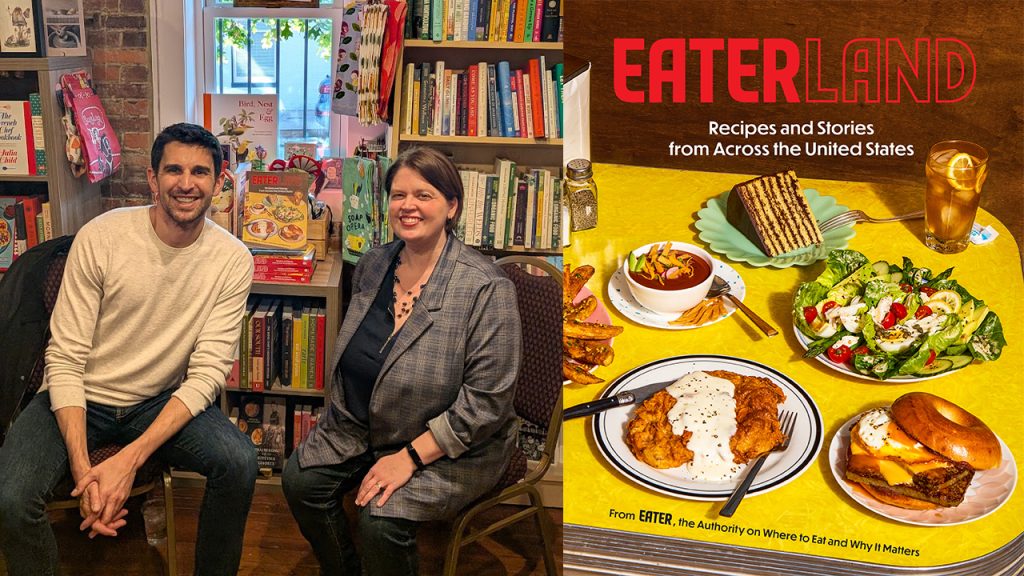
What is American food? Eaterland, a new cookbook from popular food blog Eater and publisher Abrams Books, makes the case that American cuisine is largely defined by iconic regional dishes that showcase the country’s diverse—but often connected—culinary traditions.
Missy Frederick, a 2002 Fordham graduate, co-editor of Eaterland, and Eater’s editorial director for dining, says that the idea for the book, which includes recipes or information about dishes from every state and Puerto Rico, came out of her own obsession with unique regional dishes.
“Some of the first stories I did for our national site were about tracing the origin story for dishes like city chicken and almond boneless chicken,” says Frederick, who has been at Eater since 2012. “It got me thinking that we could focus on these smaller mom and pop restaurants that really have an important role in the fabric of a place’s community.”
Over eight chapters covering different regions of the United States, Frederick and veteran cookbook writer Sarah Zorn tapped a team of writers to guide readers to the most distinctive dishes and restaurants.
For the Mid-Atlantic, they turned to Tim Ebner, a 2008 Fordham graduate and frequent Eater contributor who was born in New Jersey, raised in Maryland, and currently lives in Washington, D.C.
Fordham Magazine spoke with Frederick and Ebner about some of the notable dishes in the book, their favorite food cities, and their go-to Arthur Avenue orders from their days at Rose Hill.
How would you personally describe American cuisine?
Frederick: We wanted to showcase the diversity of America through this cookbook—not just this stereotype of burgers and french fries. That doesn’t mean we don’t have a salad that happens to be topped with french fries in the cookbook, you know? But just thinking more carefully about where those influences come from. I would say that it‘s an ever-evolving story.
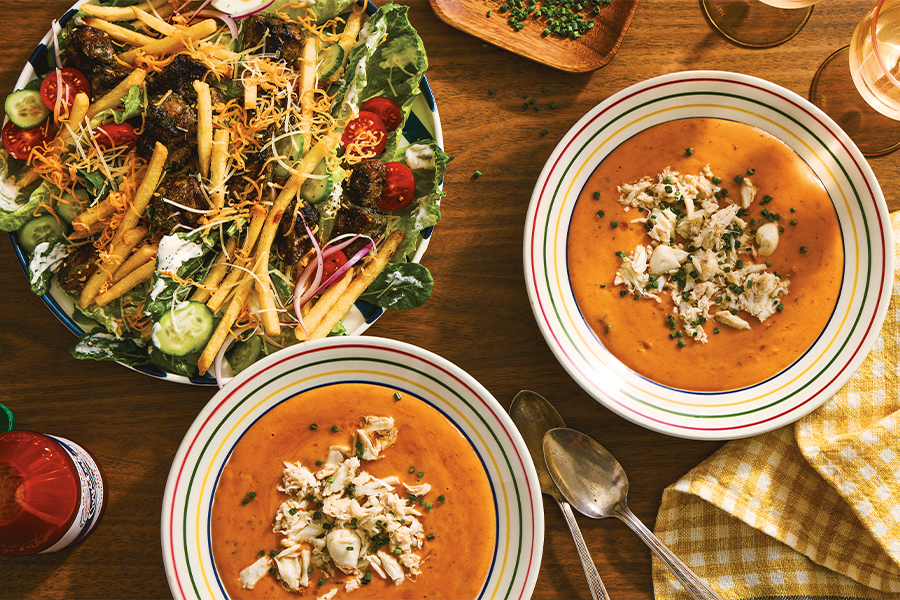
Ebner: I think American cuisine is about comfort, casualness, and hospitality. Those three words to me define it. It is trying to be accommodating to all kinds of people. The intro to my chapter starts with E pluribus unum. “Out of many, one,” right? That is, I think, what defines America as a country. When I get to meet people from around the world and explain to them regional food in America, they begin to understand, like, “Oh, this is an incredibly diverse place to eat,” and they’re excited to get a taste for that. I think the beauty of this book is that all of these dishes are open to change and evolution as America evolves and grows as a nation.
What was the most interesting thing you learned in working on the book?
Frederick: I knew very little about Alaskan food before coming in. Like, I’d heard of reindeer dogs, and I knew salmon was important, but learning that the idea of entertaining in Alaska means putting out these jars of spreads made from things they preserve for the winter, using ingredients they may have grown. Exploring the areas that I was less familiar with was really exciting for me.
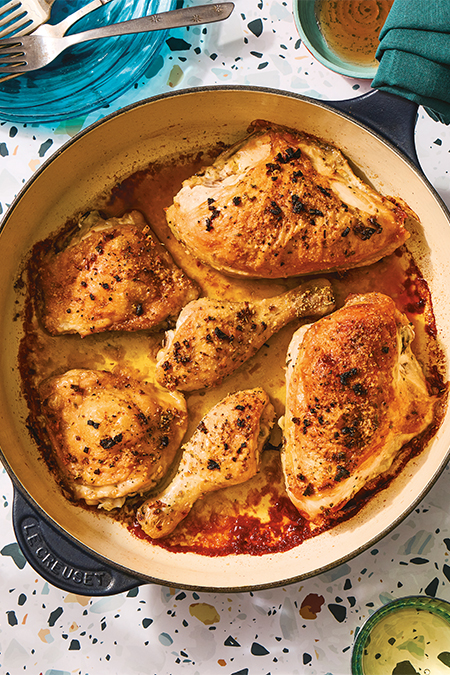
Ebner: This book taught me a lot about New Jersey, the state I was born in. The southern part of the state really, to me, feels like Delaware or other parts of the mid-Atlantic, but then northern New Jersey has so many incredible different dishes and cuisines. So I really was able to dig deep into the state I was born in and learn about things like chicken Savoy, which I will now be making at home.
Missy, is there a recipe you’re excited to make for the first time?
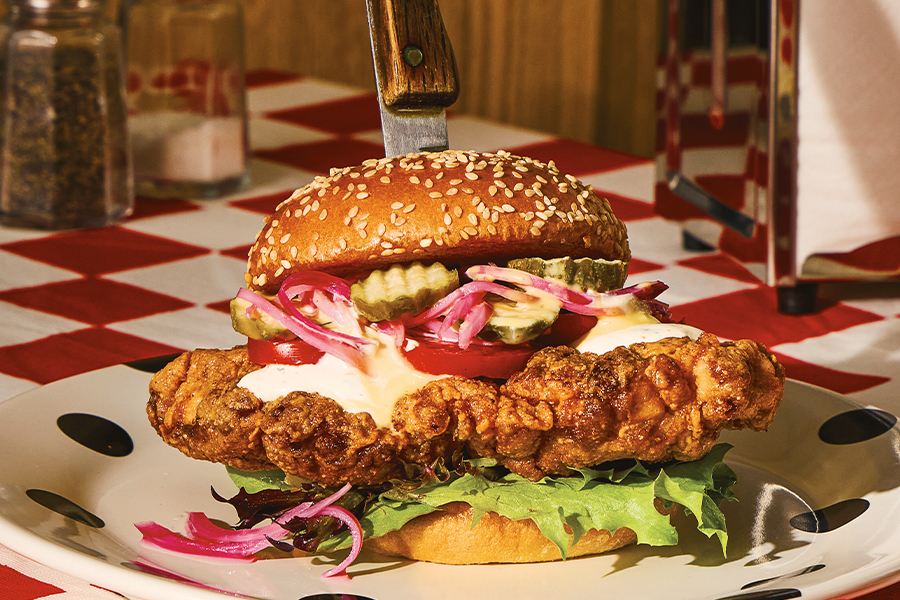
Frederick: I know my husband has requested the puffy tacos, so those will be happening pretty soon. I’m actually really excited to make the pork tenderloin sandwich from Indianapolis because I kinda wanna make the dishes that I personally made it a point to try when I traveled to a place for the first time.
What’s your favorite American food city? And what about the most underrated one?
Frederick: I actually think Pittsburgh is a pretty underrated food city. That’s a good one. But I would say in terms of favorite for me, it’s for sure New Orleans. Every time I go there, every meal I have, even if it’s at a random bar that I happen to step into, I feel like it’s incredible.
Another place that I would like to shout out is Minneapolis. I was there a couple years ago for work and it was really interesting to me to see the different Indigenous influences, the different international influences, and the variety of cool things you experience at different price points. So that’s another place I think should be in the conversation too.
Ebner: I’m gonna be boring and say New York City is my favorite. Every time I go, I feel like I get to experience an entirely different food scene. It’s overwhelming to plan a weekend in New York and try to eat everywhere.
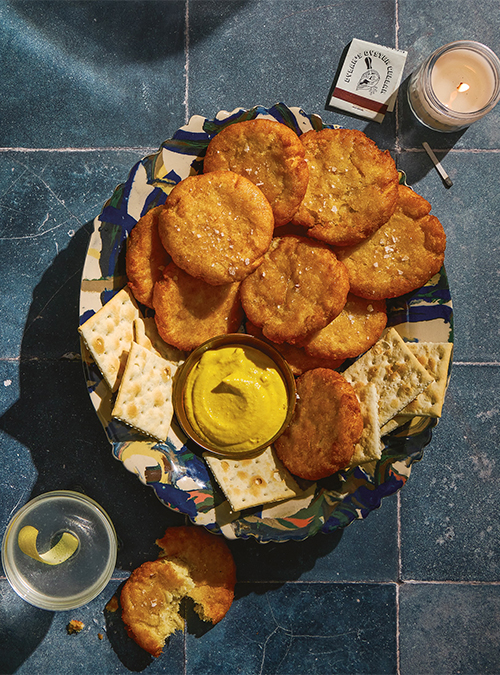
Baltimore is super underrated. Fresh access to seafood, crab cakes, but also incredible restaurants that are defining where the national conversation’s going. One of my favorites is Dylan’s Oyster Cellar. They do this dish called coddies, which is a codcake. In the 1800s, places would sell these to the Jewish American community because crab is not kosher. It’s such a fun dish. You eat them on Saltine crackers with a little mustard—it’s a great appetizer if you’re hosting a party soon.
What was your favorite place to eat on Arthur Avenue or in Belmont when you were at Fordham?
Frederick: So my favorite Arthur Avenue place is Dominick’s. I liked it enough that when I wrote a romance novel last year, I set a date scene there. I’m also gonna shout out Tony and Tina’s for burek. [Editor’s note: Tony and Tina’s recently closed.] When we were at The Ram late at night, we would get whole pies of burek.
Ebner: It was Half Moon Pizza, which is now called Mezza Luna. The Sicilian slice at Half Moon Pizza with eggplant on top was my go-to. I’m a product of the mid-Atlantic, and I did not even know what a Sicilian slice meant when I came to Fordham. I’d also be remiss if I didn’t say Pugsley for the chicken roll. That’s a standard. And DeLillo for cannoli after.
I think a lot of my love for food comes from the Bronx and Little Italy. So I really credit Fordham for opening me up to the world of food—giving me opportunities both in the learning environment and the living environment too.
This conversation has been edited and condensed.
