

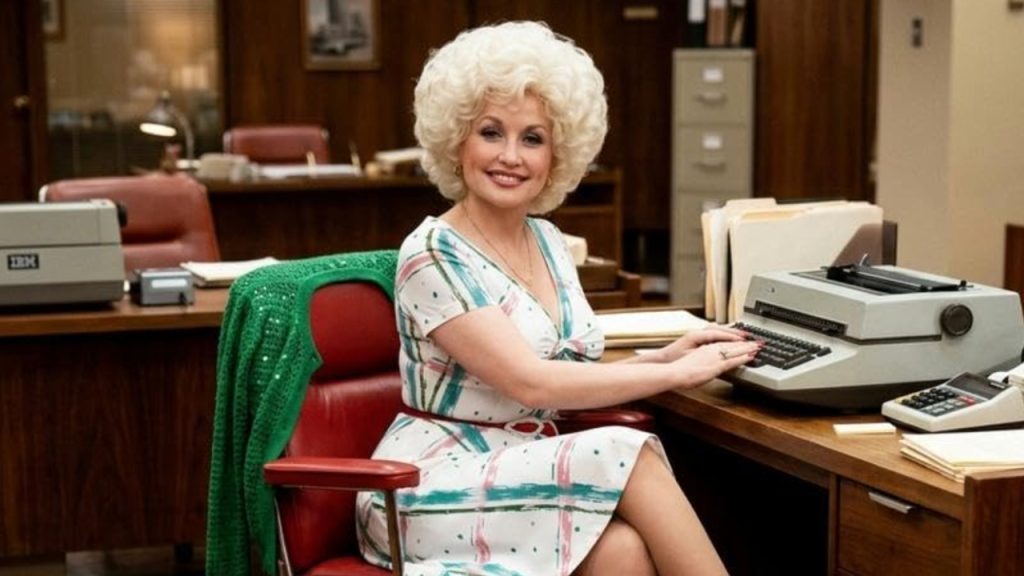
Dolly Parton, who died on Aug. 25 at the age of 80, always resisted calling herself a feminist. But in 1980, the legendary songwriter, businesswoman, and philanthropist became the voice of one of the most recognizable feminist stories in American popular culture.
The movie 9 to 5, starring Parton alongside Jane Fonda and Lily Tomlin as office workers with a sexist boss, grew out of a real movement of working women that began organizing in Boston in the early 1970s, according to Kirsten Swinth, a Fordham professor of history who studies feminism, women’s work, and labor.
The labor organization 9to5 brought together women clerical workers to fight for better pay, advancement, an end to sexual harassment, and basic respect on the job. The film was inspired by their struggles, capturing “a ferment that was already there among activist trade union women,” said Swinth.
The 9to5 Movement of the 1970s
The 9to5 movement emerged at a moment when women—particularly mothers—were entering the paid workforce in rapidly increasing numbers, Swinth said. Many found themselves in low-paid service and clerical jobs while still carrying the responsibility for children and household labor, and began organizing to improve their conditions.
“The women’s movement understood that changing the workplace to accommodate family was just as vital as getting women in the door of workplaces,” Swinth said.
That broader vision appears in the film’s fantasy ending. After Parton’s Doralee, Fonda’s Judy, and Tomlin’s Violet overthrow their boss, they transform the office, introducing equal pay, flexible hours, and an onsite child care center for workers.
The movie took ideas that had animated feminist and labor organizing—including the feminist fight for childcare—and turned them into a comedy that millions of American women could see themselves in, Swinth said.
A Working Class Hero in a Big, Blonde Wig
And then there was Dolly.
Unlike Fonda, whose political activism was well established, Parton did not consider herself a feminist. Swinth describes her instead as arguably an “organic feminist”—someone whose understanding of women’s independence grew out of her own life experiences, growing up in rural poverty and climbing to the top of the male-dominated country music industry, rather than an explicit commitment to the women’s movement.
That distinction was common for working-class women, Swinth said. Many supported equal pay, the Equal Rights Amendment, and other feminist goals while resisting the feminist label, which by 1980 had become “a slur in many ways,” according to Swinth.
Feminist or not, Parton did transform her stardom into an impressive business empire. She retained ownership of her songwriting catalog and built an entertainment brand that eventually included Dollywood, giving her unusual control over both her creative work and the many businesses built around her name.
Despite her success, Parton never seemed to forget her humble roots. She founded an expansive philanthropic enterprise, most notably through her Imagination Library, which has provided over 300 million free books for children in five countries. She also gave millions to vaccine research during the pandemic, disaster relief, education, and environmental preservation during her lifetime.
Monetizing the Male Gaze
Parton’s public image made her an unlikely feminist symbol. She cultivated an exaggerated version of femininity—big hair, makeup, rhinestones, and an almost cartoonish sexuality.
But in 1987, feminist icon Gloria Steinem said Parton flipped the script. She named the superstar mogul one of Ms. Magazine’s “Women of the Year,” writing that Parton’s “flamboyant style has turned all the devalued symbols of womanliness to her own ends,” infusing them with “humor and a conscious power.”
Swinth said she has difficulty seeing Parton’s presentation itself as empowering. But she also sees it as a way for Parton to exercise agency over her career and identity.
“Have we ever seen her in public not wearing a wig?” Swinth said. “She was deliberately crafting a public persona that was different from her private one. And we can think of her public presence as that of a brilliantly savvy businesswoman.”
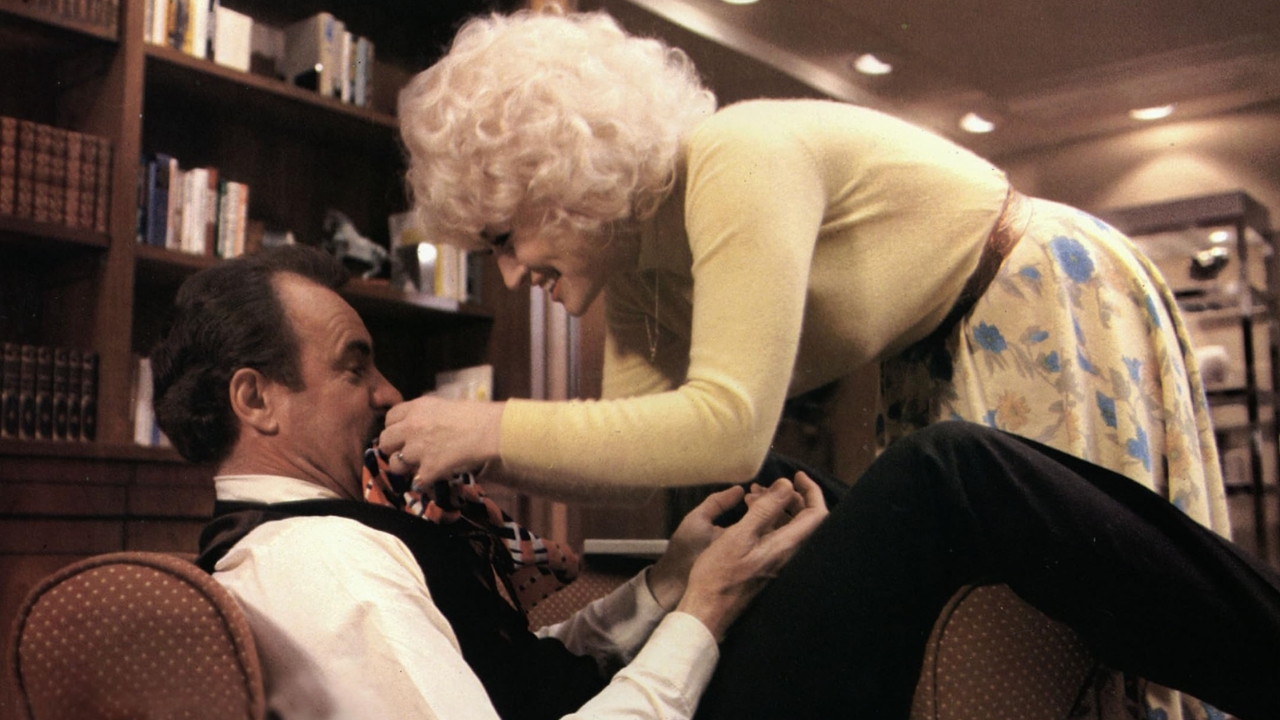
The tension between agency and objectification is at the heart of 9 to 5. Doralee’s boss treats her appearance as an invitation to sexualize and demean her. She refuses his advances, then joins in solidarity with her co-workers to turn the tables on him.
A Chart-Topping Anthem
The movie came with a song of the same name, written by Parton, which captures the frustrations, ambitions, and solidarity of the 9to5 movement. The song topped both the country and pop charts that year. Parton may not have called herself a feminist, but she did give working women an anthem that endured.
Perhaps that’s why feminists have always claimed Parton, even if she didn’t claim them.
