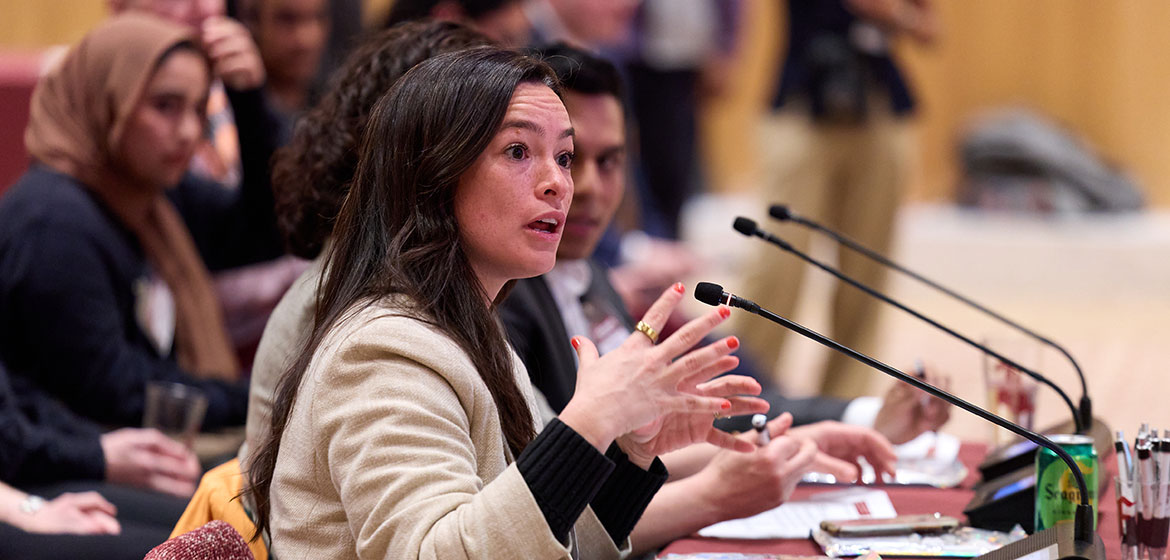
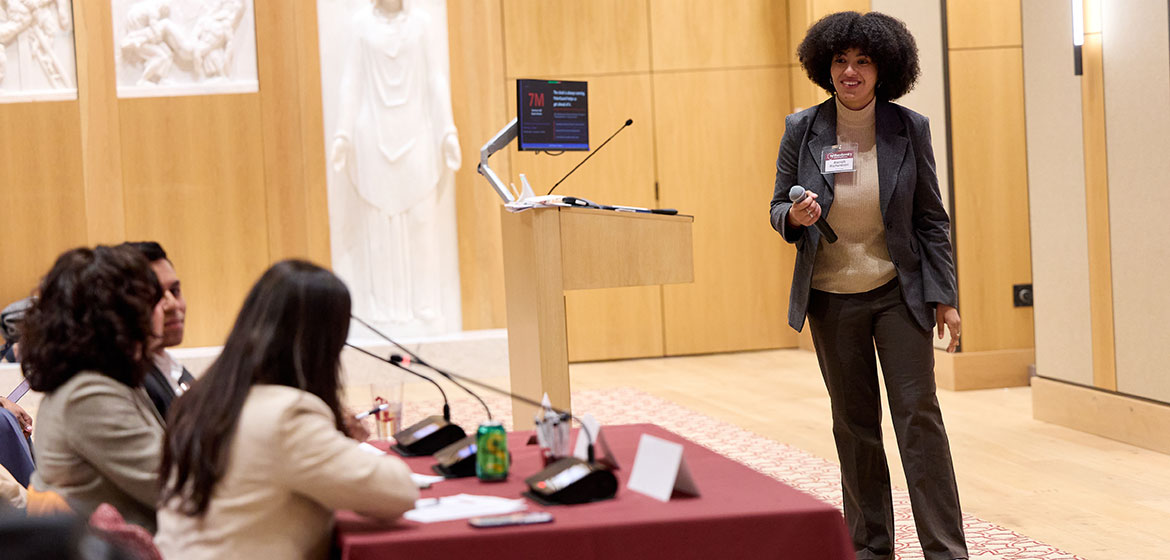
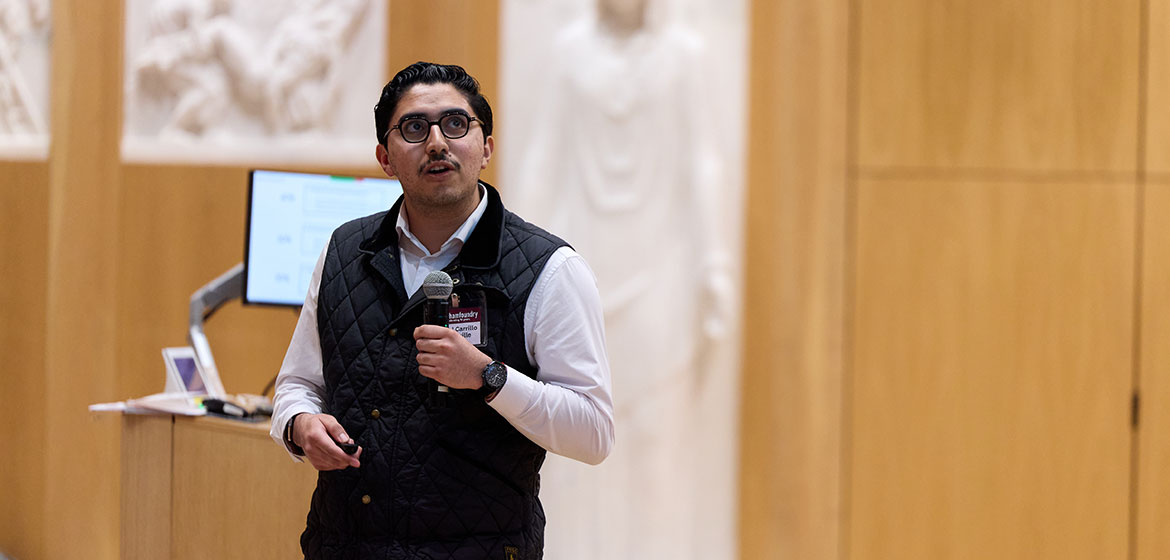
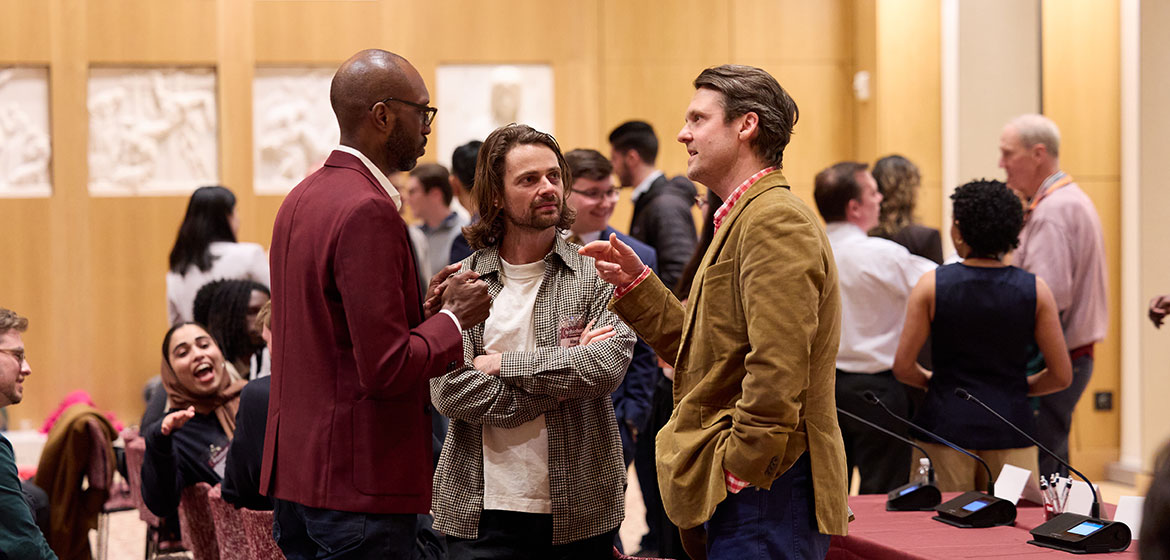
When the Fordham Foundry launched its first Pitch Challenge, it made a simple argument: anyone with drive and imagination can become an entrepreneur. On April 9, with its 10th annual competition drawing finalists from across the Fordham community, that argument was hard to dispute.
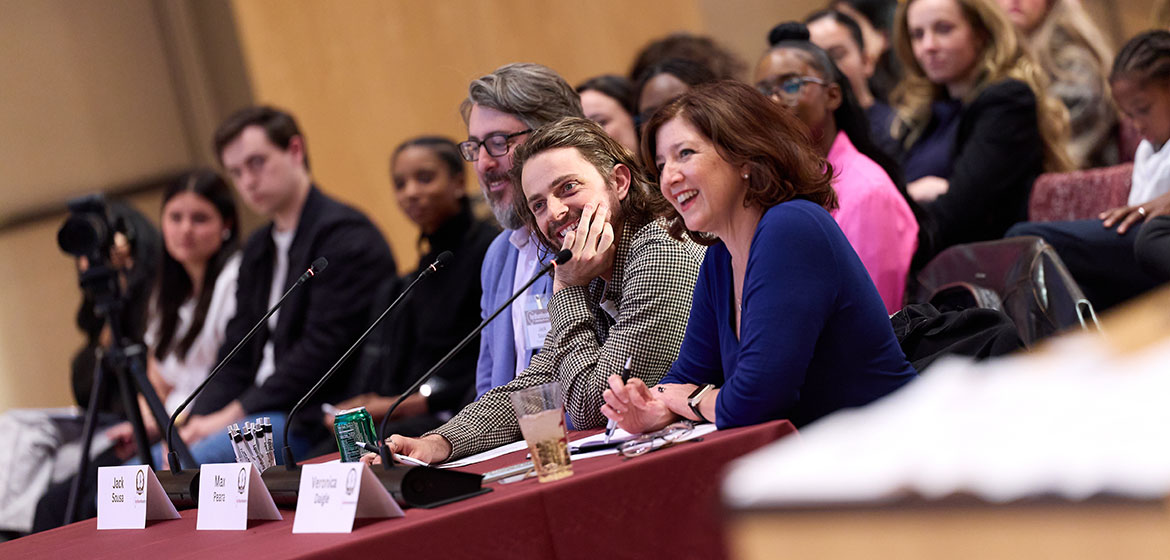
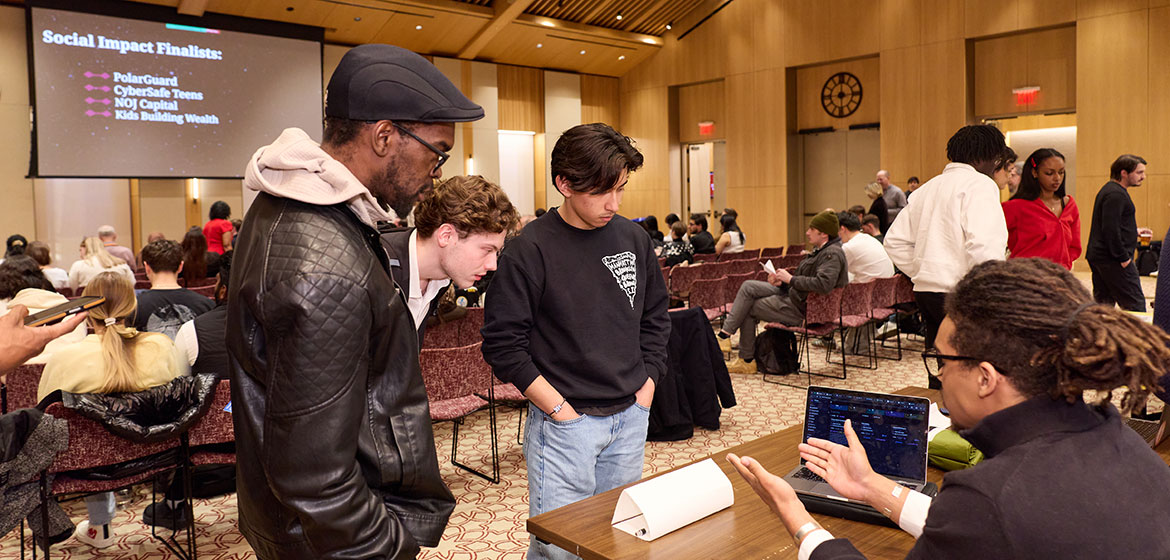
The event featured 10 entrepreneurial teams competing for $22,500 in seed money to launch or expand their businesses. Teams competed in three tracks—General, Social Impact, and a Jesuit schools category that pitted Fordham against Loyola Marymount and Georgetown University. Panels of professionals from the startup and venture capital industries judged teams on their presentations and follow-up questions.
A Tool for the Neurodivergent
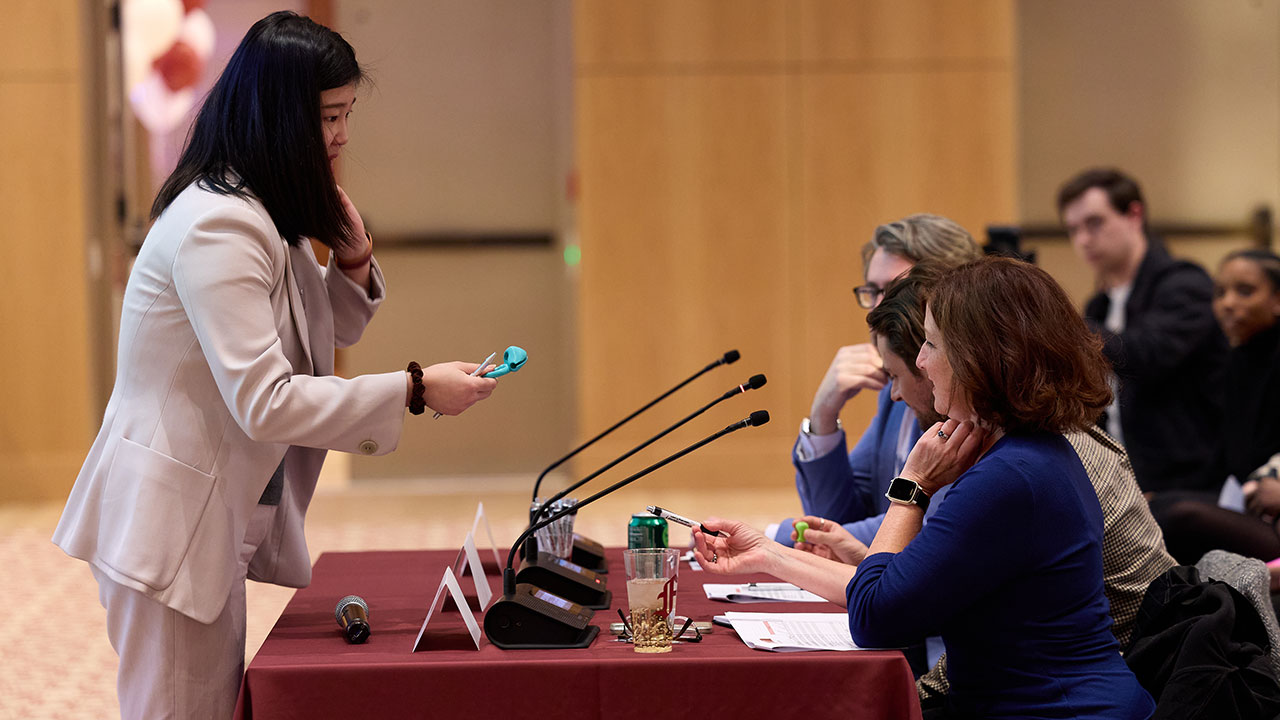
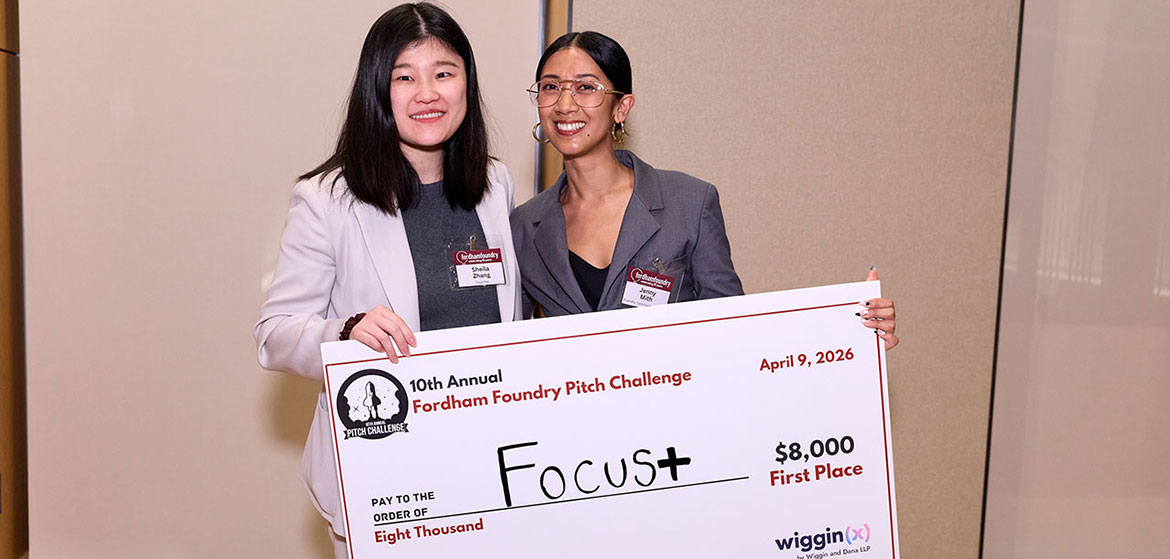
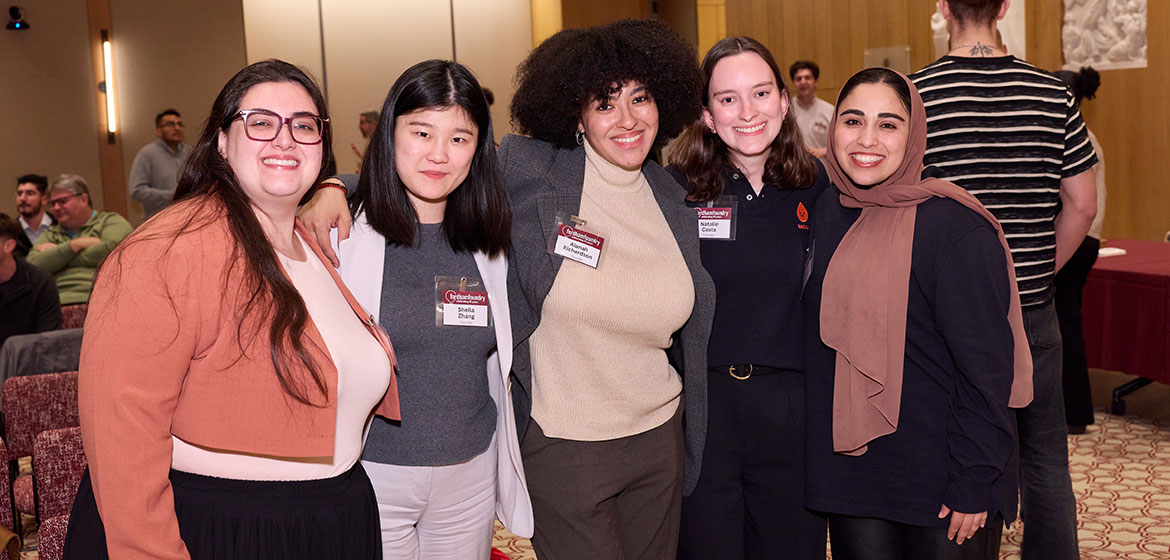
Sheila Zhang, a Ph.D. student at the Graduate School of Education (GSE), won the top prize of $8,000 in the General category for Focus+, a patented pencil grip designed for children with autism or ADHD, as well as individuals with hand or arm disabilities.
For Zhang, who was competing in her first Pitch Challenge, the win was a significant boost—and she credited the Foundry staff with helping her craft a winning presentation. She plans to pursue additional funding through NIH and New York City DOE grants, but this win was a real validation of the idea.
“I really appreciate that the judges see the value in this product. It can impact so many children,” she said.
Spreading Financial Literacy to the Bronx
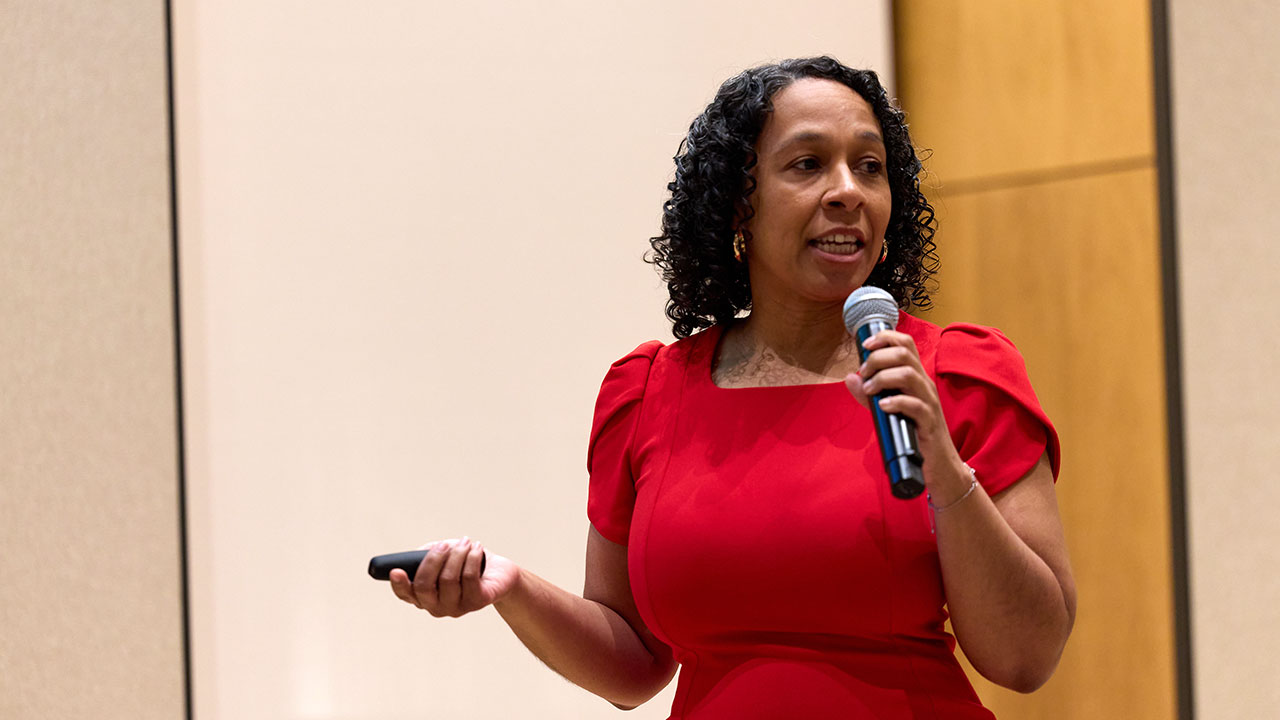
The Pitch Challenge is open to students, faculty, staff, and alumni. Olga Baez, a 2016 GSE graduate, took home both the Social Impact prize and the People’s Choice Award for her nonprofit Kids Building Wealth, which aims to disrupt generational poverty through early-stage financial literacy and entrepreneurial education.
The organization has already taught financial basics to 500 third-, fourth-, and fifth-grade public school students in the Bronx. The award will enable Baez to expand the program to home-schooled students in the fall.
Her motivation is personal.
“I grew up in the Bronx in a low-income household, and my parents didn’t have conversations with me about money. They didn’t even have a savings account, so I had to learn everything myself. A lot of kids are in the same position that I was, and it’s important to teach them early,” she said.
Helping Kids with Diabetes
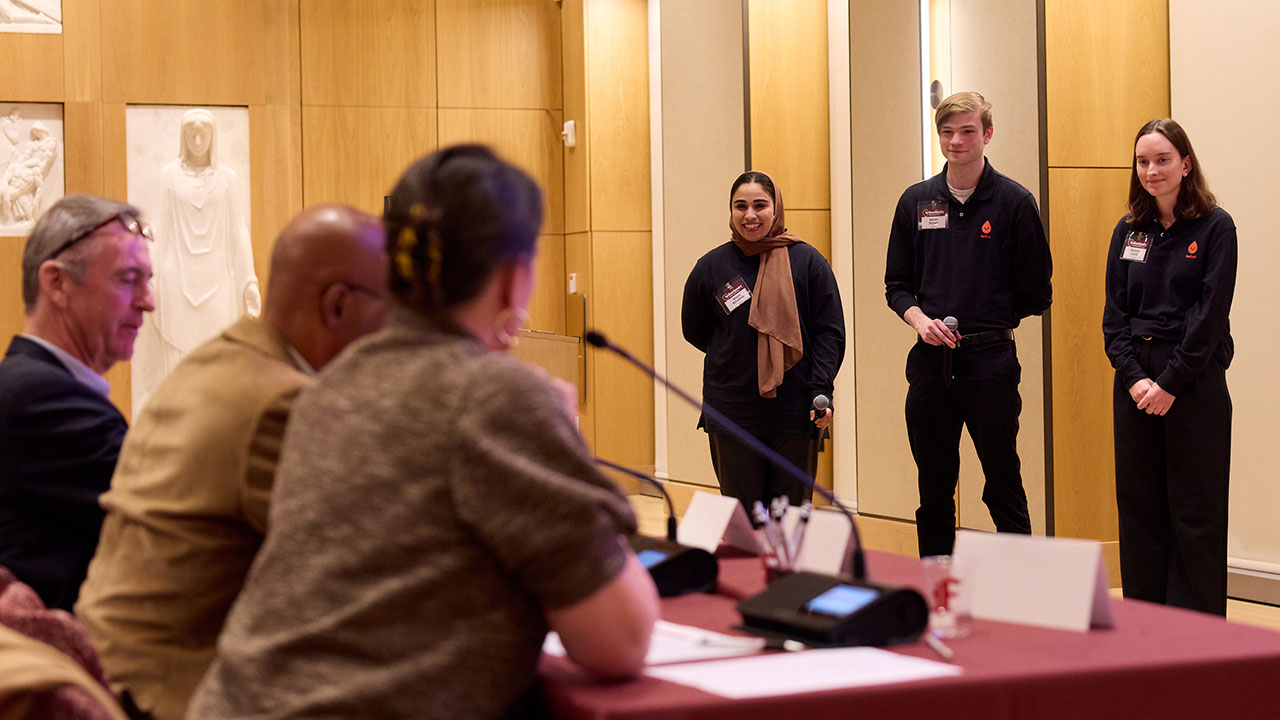
In the Jesuit schools competition, Georgetown came out on top with Ketsu, a digital companion designed to help kids manage type 1 diabetes.
The team presented a beta version of an app that is more visually appealing to kids than current glucose-monitoring tools and incorporates educational features to teach them healthy habits. Team member Mona Miraftab said that although they’d made significant progress with the app, the feedback they’d received from the judges was invaluable, as was the experience of presenting to them.
“If you want to go all the way to venture capital level in business, you’ve got to start somewhere. You’ve got to start speaking in front of people, to judges who really know the industry you’re in,” she said.
A Springboard to Success
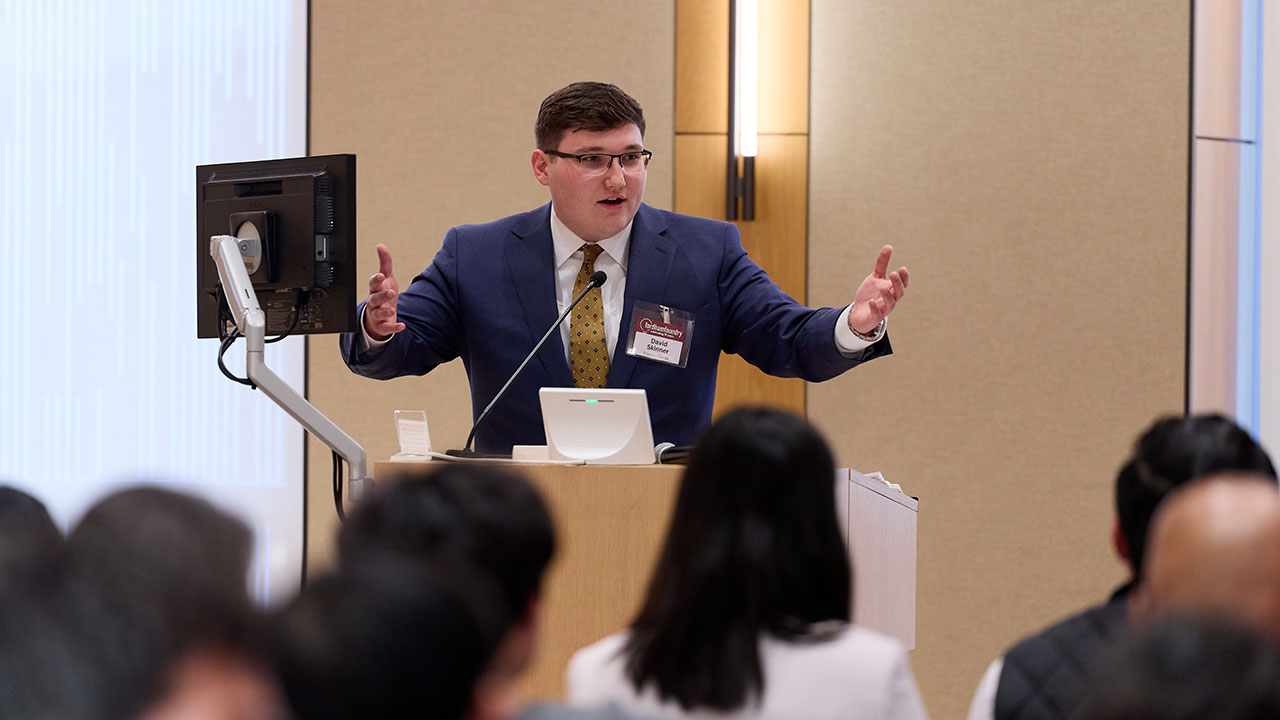
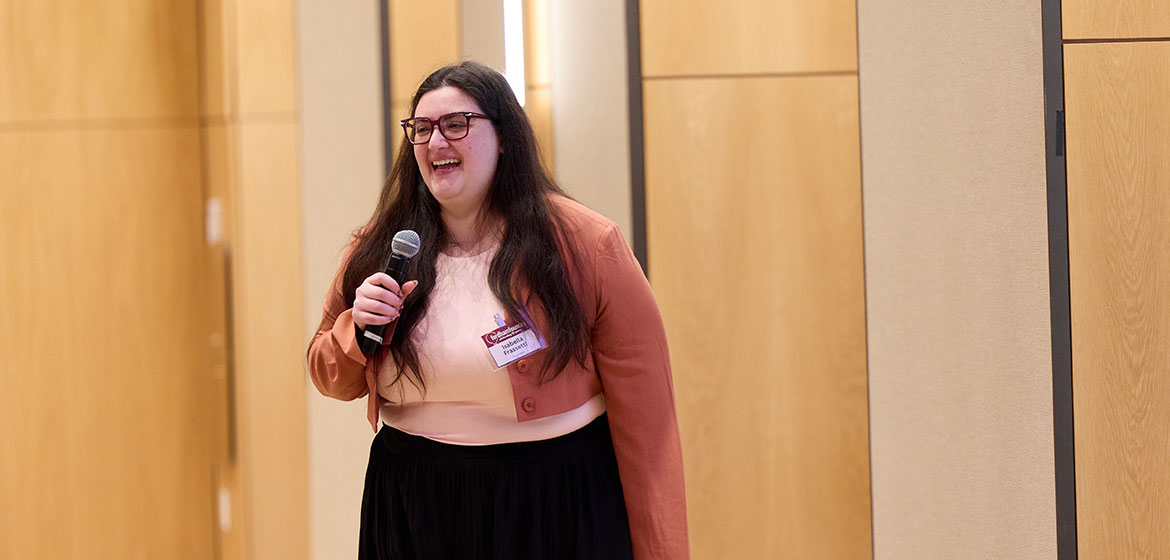
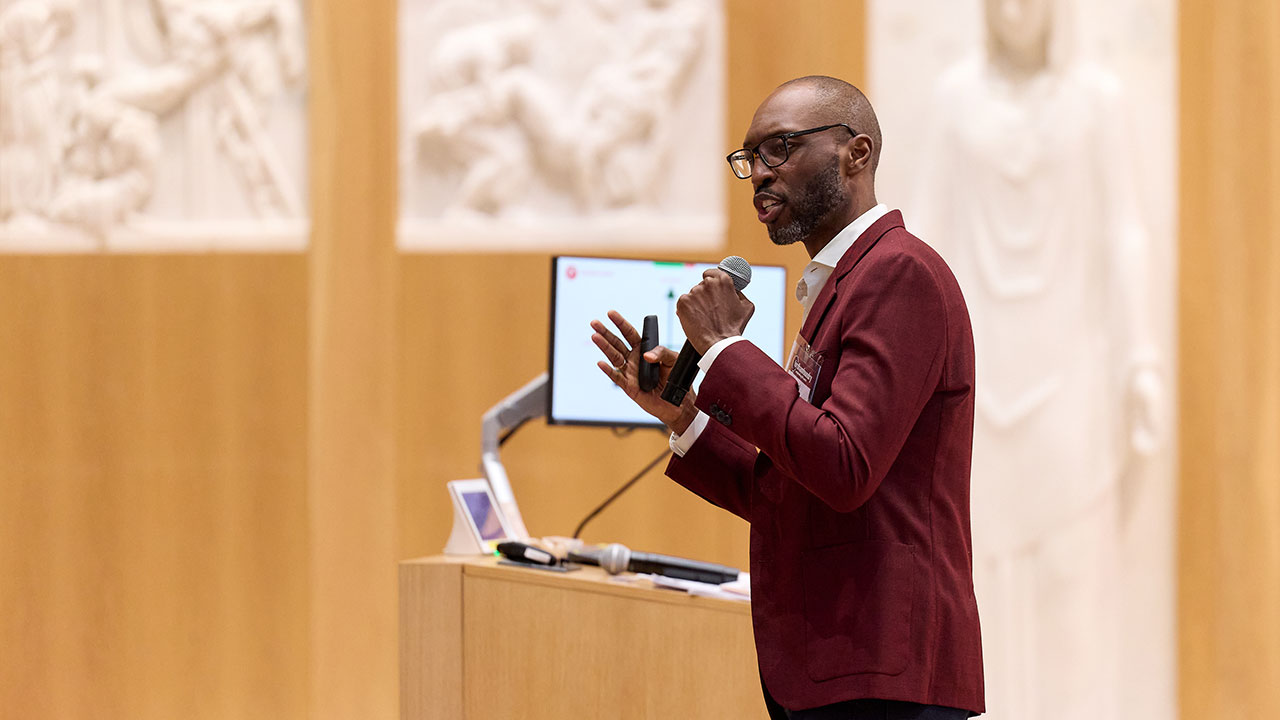
That kind of experience has benefited Foundry alumni as well. David Skinner, a senior in the Gabelli School of Business, won third place and the People’s Choice Award two years ago for a pitch for a media credentialing services firm and has maintained strong ties with the staff. He served as M.C. for this year’s Pitch Challenge. After graduation, he’ll be joining investment firm Seastone Capital.
He draws a straight line from his time at the Foundry to his upcoming job, as the pitch process taught him to communicate clearly and succinctly—skills that translated directly to the professional world.
“The Foundry really is a tight-knit community of very sharp people with a lot of diverse perspectives and plenty of open space to discuss,” he said. “It’s a great place to learn things in business that aren’t taught in the classroom.”
A Community of Entrepreneurs
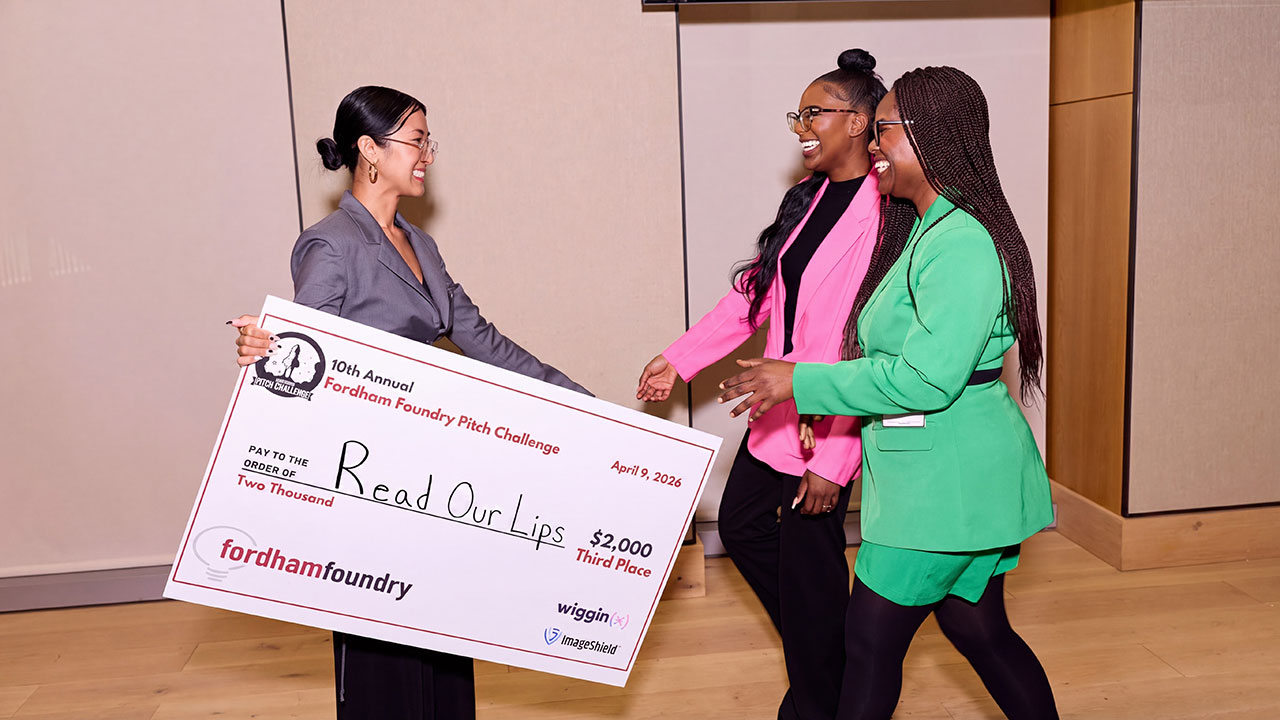
The Pitch Challenge was the culmination of months of work in which current students and alumni worked with the Foundry staff to refine their business plans. This year, 48 teams from Fordham presented ideas, and eight advanced to the final round in the General and Social Impact categories.
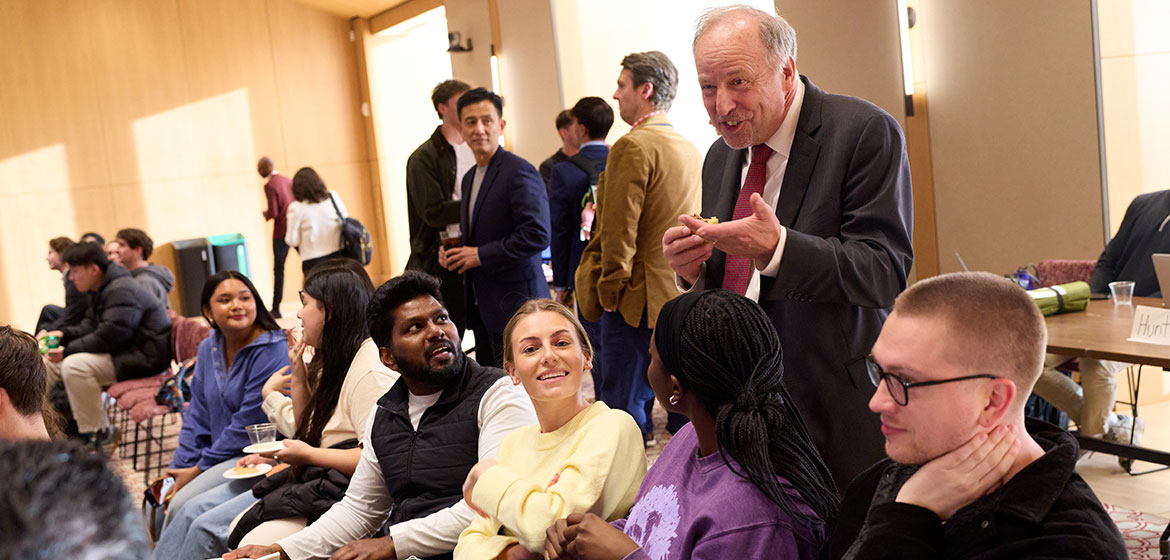
Foundry executive director Al Bartosic said the success of the pitch challenge proves that Fordham is full of entrepreneurs just waiting to jump-start their business endeavors. To date, the Foundry has distributed $200,000 to 40 winners, including backpack company Brevitē, custom apparel and merchandising solutions provider Diskko, and on-demand legal services provider gigLAW.
“The entrepreneurial community at Fordham has always been here; we’ve just uncovered it,” he said, noting that most of this year’s finalists came from Fordham schools and majors that are not traditionally affiliated with entrepreneurship.
“We’ve been working to spread the message that the Foundry is here for the whole community.”