

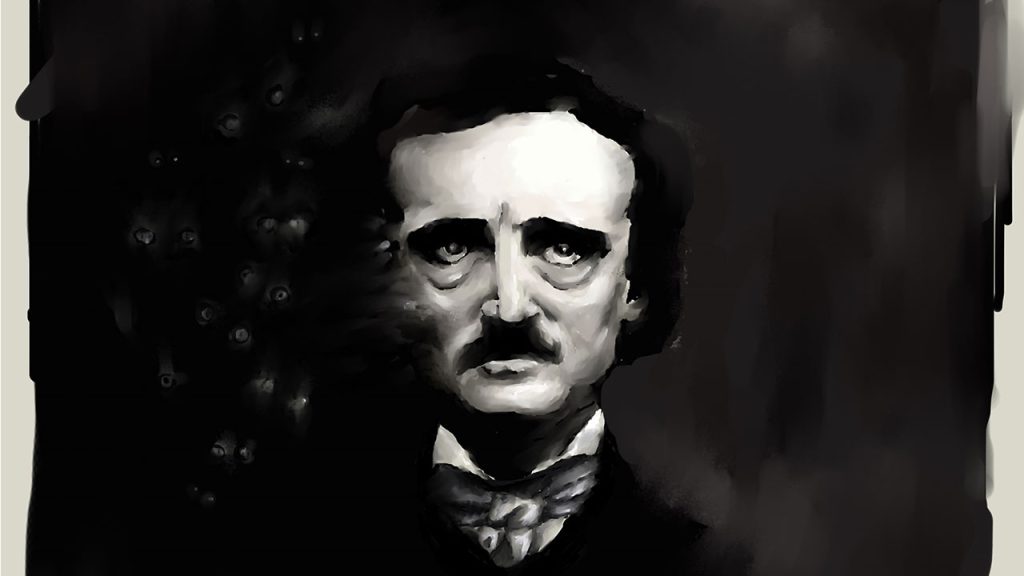
For three dark years, Edgar Allan Poe lived steps from Rose Hill, leaving behind facts, legends, and a few mysteries that still haunt Fordham and the Bronx.
Most people can recite a line or two of “The Raven,” but far fewer know that Edgar Allan Poe spent his final years living in a small rural cottage just a short walk from what is now Fordham University in the New York City borough of the Bronx. Arriving in spring 1846, hoping country air would help his dying wife, Virginia, he found solace on campus and formed an unlikely bond with the university’s young Jesuit community.
Poe left Fordham in June 1849, a few months before his own mysterious death in Baltimore. The cottage still stands, and the stories about what Poe did there and on campus have been circulating at Rose Hill ever since.
Some of them are backed up by Poe’s own letters. Some are the stuff of campus lore and late-night storytelling. And some, like whether the Fordham University Church bell inspired one of his most famous poems, are still up for debate among scholars.
Here are 10 things to know about Poe’s ties to Fordham, from the well-documented to the delightfully unconfirmed.
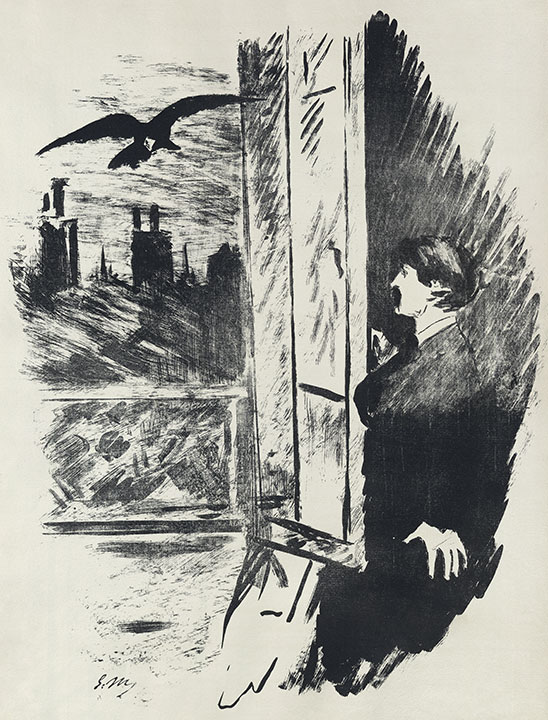
1. Did Edgar Allan Poe write ‘The Raven’ at Fordham?
Verdict: Myth ❌
Contrary to a rumor that’s been circulating since the 1800s, Poe didn’t write “The Raven” at his cottage in Fordham. The poem was published in January 1845, more than a year before he moved to the village. According to the Poe Society, he most likely wrote it in late 1844, while staying at a farmhouse in Manhattan.
That hasn’t stopped the story from spreading. Back in 1891, a New York Times writer grumbled that visitors to the Fordham cottage were being shown the very room where Poe supposedly wrote the poem. The writer jokingly predicted that every house Poe had ever lived in would soon boast its own “Raven room.”
2. Poe Moved to Fordham for the Country Air—Not the Mail Service
Verdict: Fact ✅
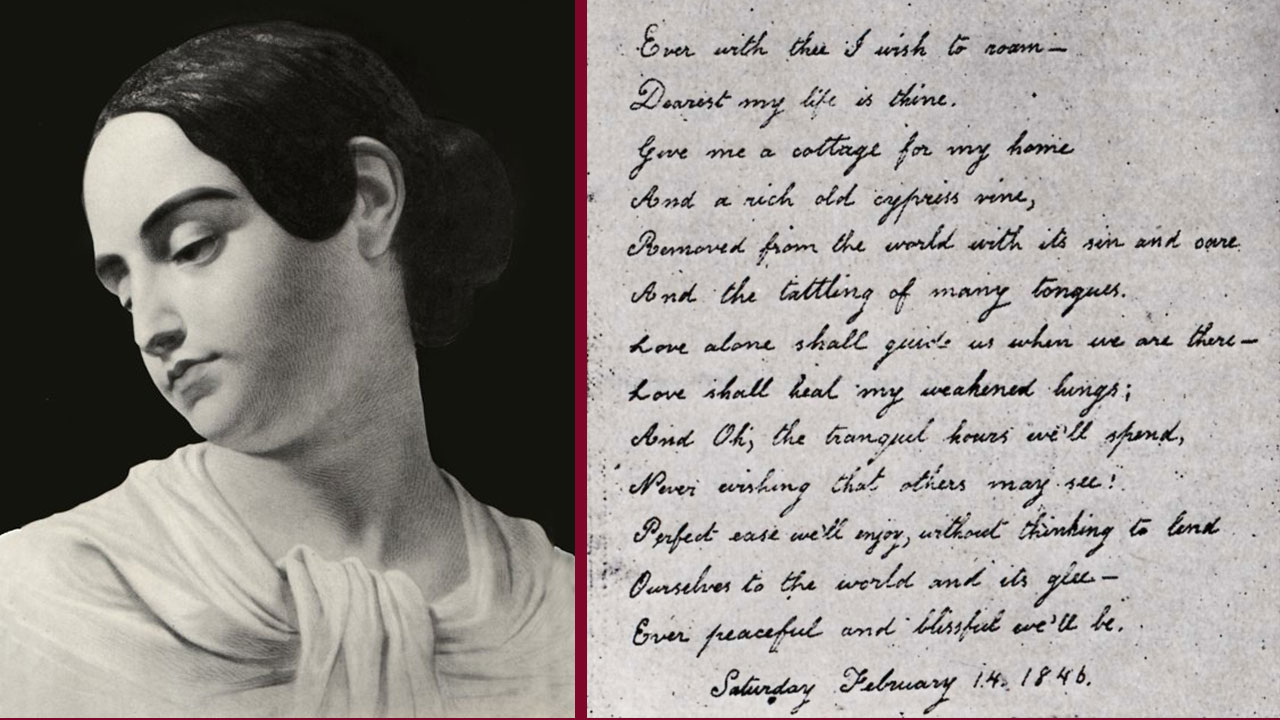
In spring 1846, Poe, his wife, Virginia, and her mother, Maria Clemm, left Manhattan for a rented cottage on Kingsbridge Road in the rural village of Fordham. Virginia was gravely ill with tuberculosis, and Poe hoped the country air would help.
That July, Poe described their new home to a friend as “a snug little cottage” about 13 miles out of town. (The Bronx was not yet part of New York City.) The move came with at least one inconvenience: “There is no Post Office at Fordham,” he wrote. Poe had his mail sent to Manhattan instead, and at least one friend’s letter spent months bouncing between post offices before it finally reached him, according to Poe’s collected letters.
3. Poe Found Solace—and Unlikely Friends—Among the Jesuits at Fordham
Verdict: Fact ✅
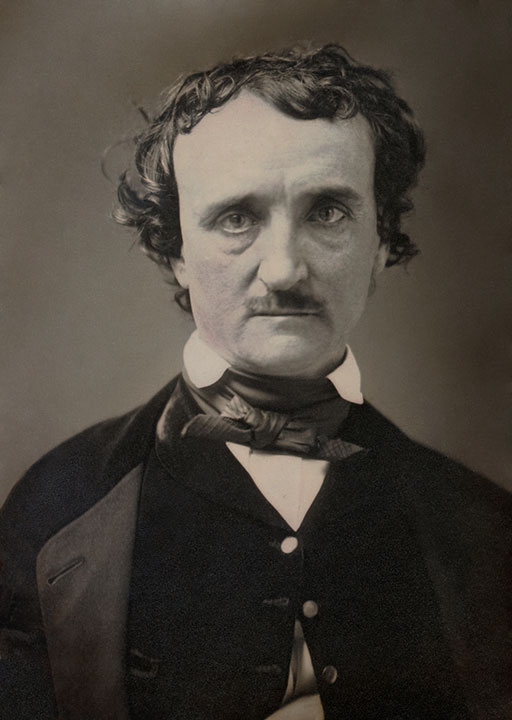
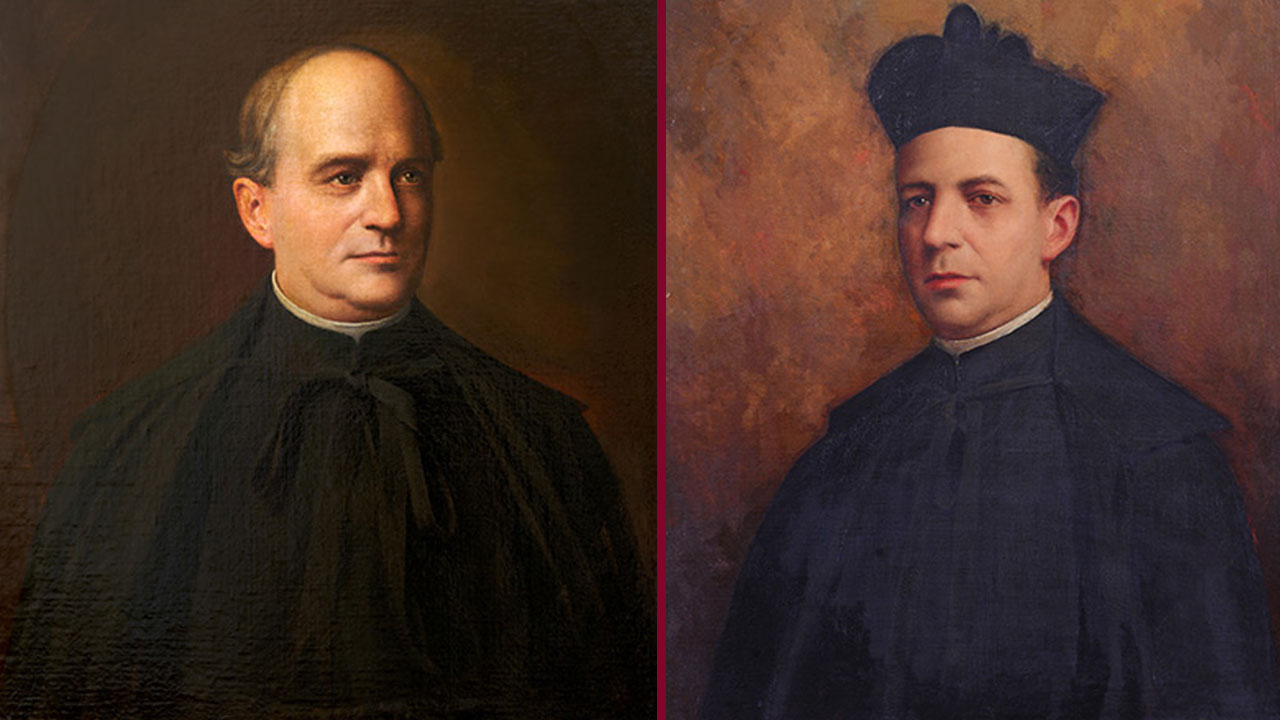
At St. John’s College—as Fordham was known until 1907, when it became Fordham University—Poe befriended two Jesuits: the college’s president, Auguste J. Thébaud, SJ, and Edward Doucet, SJ, a young Canadian-born priest who would later lead the college himself. Poe wasn’t Catholic, but he did find kindred spirits at St. John’s: A friend recalled that Poe liked the Jesuits because they were “highly cultivated gentlemen and scholars … smoked, drank, and played cards like gentlemen, and never said a word about religion.”
Poe’s bond with Father Doucet ran especially deep. In an essay for Patheos, historian Pat McNamara ’89 writes that the two often walked the campus grounds together, with Poe pouring out his troubles to the priest—in French.
Father Doucet remembered his friend fondly as “a gentleman by nature and instinct.”
In a fun twist of timing, the Jesuits were newcomers, too. They took charge of St. John’s in 1846, the same year Poe moved in down the road.
4. Did the Jesuits Give Poe the Run of Their Library?
Verdict: Recollection ✅
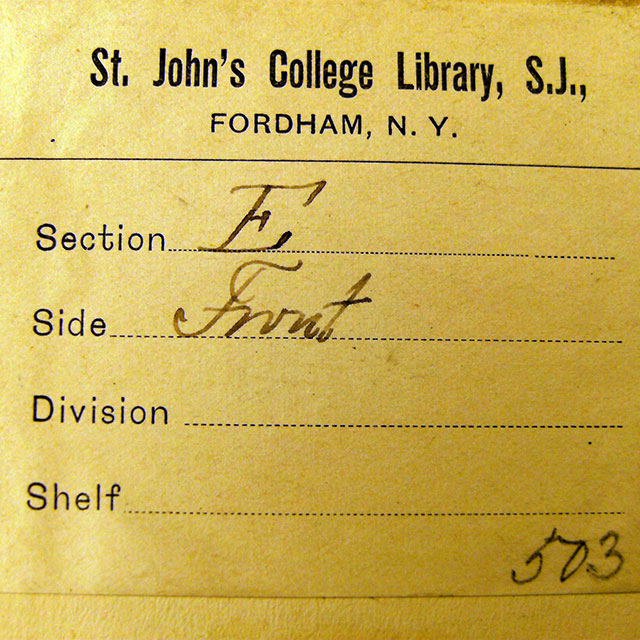
Fordham tradition holds that the Jesuits of St. John’s College gave Poe free rein in their library. Picture it: candles burning low, shelves of leather-bound books, and Edgar Allan Poe reading late into the night.
The library’s collection had traveled, too: The Jesuits brought it from Kentucky, and the St. John’s College Library that Poe browsed eventually grew into the collections Fordham students use today.
5. Poe Sometimes Spent the Night on Fordham’s Campus
Verdict: Recollection, reported in 1891 ✅
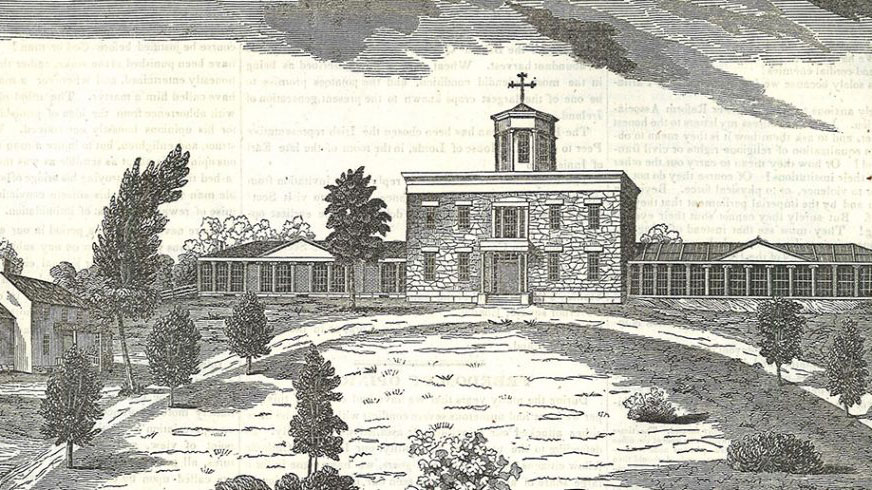
Poe sometimes slept at St. John’s College, according to Father John Scully, who was the college’s president when he described those visits to a New York Times writer in 1891.
After Virginia’s death, the cottage on Kingsbridge Road was likely a hard place to return to. Scully said Poe often visited the college in the afternoon or evening, when faculty members had time to talk. And while he usually left in brighter spirits, sometimes he lingered. On those nights, the Jesuits made up a bed for him.
6. Did Fordham’s Church Bell Inspire Poe to Write ‘The Bells’? Scholars Are Still Debating
Verdict: Contested 🤺
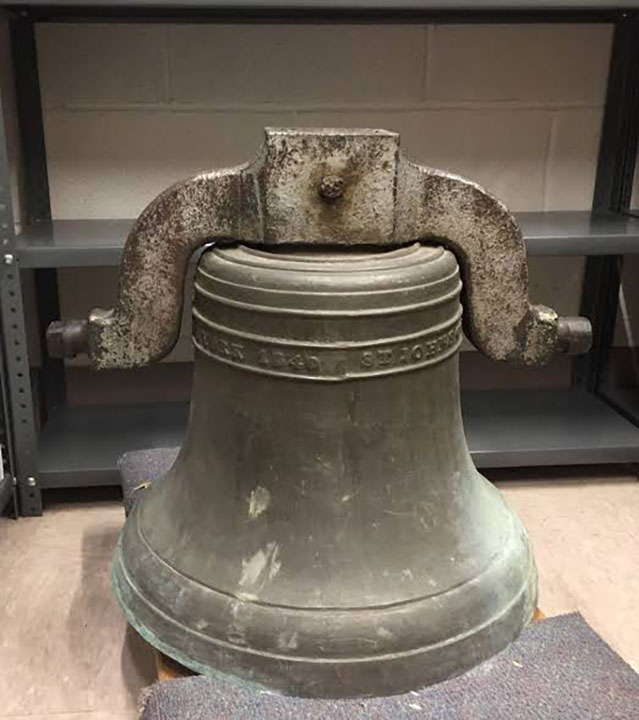
Fordham lore holds that the University Church, known as Our Lady of Mercy back then, inspired Poe’s poem “The Bells.” Now housed in the archives, the original bell has carried the nickname Old Edgar Allan ever since. No scholar has been able to prove the connection, though. And of all the Poe legends at Rose Hill, this one rings loudest.
Poe finished a version of the poem while living in Fordham village. In February 1849, he wrote to a friend that he had just completed “a poem considerably longer than ‘The Raven.’ I call it ‘The Bells.’”
But the poem’s origin story points elsewhere, too. Poe’s friend Marie Louise Shew later recalled that he started it at her Manhattan home in 1848, when nearby church bells were getting on his nerves. In his 1941 biography of Poe, Arthur Hobson Quinn suggested those were probably the bells of Grace Church on Broadway. Other theories point to Manhattan’s Church of the Ascension.
Poe sent his publisher at least three versions of the poem, the final of which wasn’t published until November 1849, a month after his death.
7. Poe Wrote a Halloween Poem While Living in Fordham
Verdict: Fact ✅ and Legend 🧐
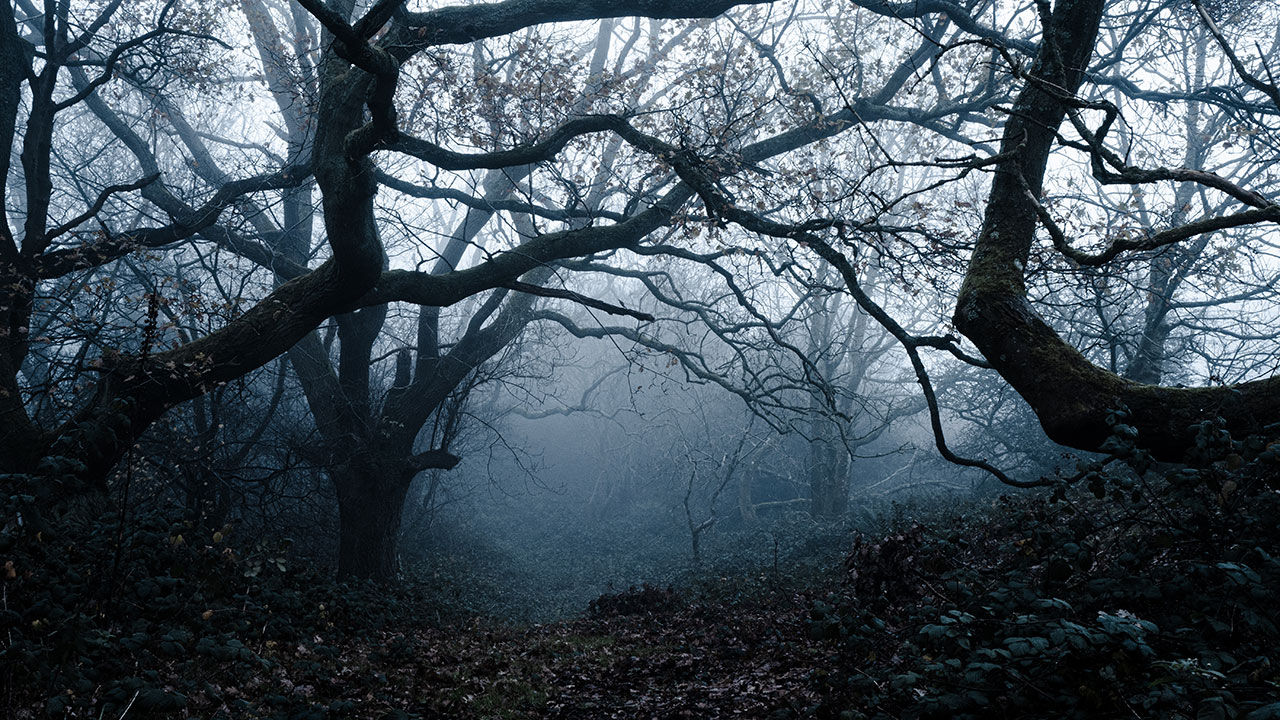
Poe wrote “Ulalume” while living at his cottage in Fordham village. If you’re looking for a Poe poem to read in October, this is it. It was published in December 1847 and is set amid “ashen and sober” skies: “It was night, in the lonesome October / Of my most immemorial year.”
The poem follows a grieving narrator through the “ghoul-haunted woodland of Weir” to the tomb of his lost love on “this night of all nights in the year.” Poe scholar Thomas Ollive Mabbott identified that night as Halloween. (And in case you’ve been wondering, Mabbott noted that Poe pronounced the title “YOU-la-loom.”)
“Ulalume” is a poem that wants to be read out loud, and the best way to hear it may be Jeff Buckley’s rendition, recorded for Closed on Account of Rabies, producer Hal Willner’s 1997 collection of Poe readings.
According to an 1885 New-York Tribune article, Poe wrote “Ulalume” in the cottage’s upstairs room, beside an old-fashioned fireplace. The poem nearly didn’t see print. Poe wrote it at the suggestion of a visiting elocution teacher, Cotesworth P. Bronson, who wanted something dramatic to recite, and he invited Bronson and his daughter out to Fordham to hear it. Bronson passed on it. So did Union Magazine, where an editorial advisor reportedly said he couldn’t understand the thing. When the American Review finally ran it—anonymously—Poe asked his friend N. P. Willis to reprint it with a note wondering who on earth had written it.
8. Did Poe’s ‘Hop-Frog,’ ‘Annabel Lee,’ and a Mind-Bending Theory of the Universe Come Out of Fordham?
Verdict: Fact ✅
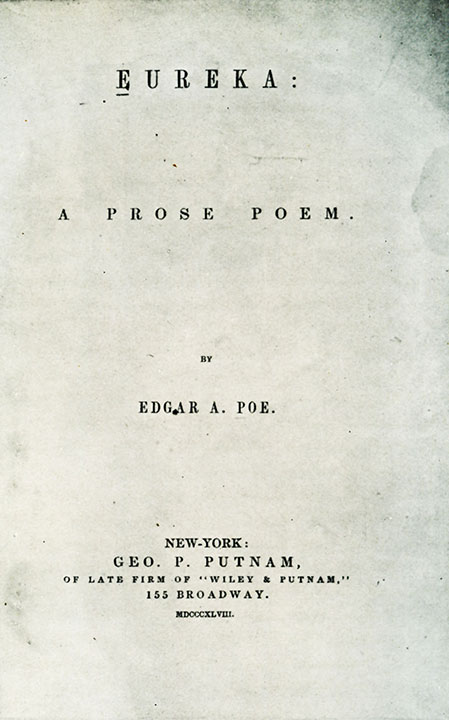
Poe wrote “Hop-Frog,” “Annabel Lee,” and Eureka, his book-length theory of the universe, during his three years in Fordham village, from 1846 to 1849. So, while those years were grim, they were far from quiet.
In February 1849, he told a friend he’d just finished a story called “Hop-Frog,” teasing that she’d never guess its “terrible” subject from the title. (Spoiler alert: A court jester takes fiery revenge on a cruel king.) A few months later, he mentioned a new ballad called “Annabel Lee,” a haunting elegy for a lost love that was published just days after his death.
He also wrote Eureka, a sprawling “prose poem” about the origin and fate of the universe. He first delivered it as a lecture in Manhattan in February 1848. He had to ask a friend to arrange the lecture room, since the $15 fee was due up front and, as he put it, “I have no money.”
9. Did Edgar Allan Poe Use Fordham’s Campus as a Hiding Spot?
Verdict: Fact ✅ and Legend 🧐
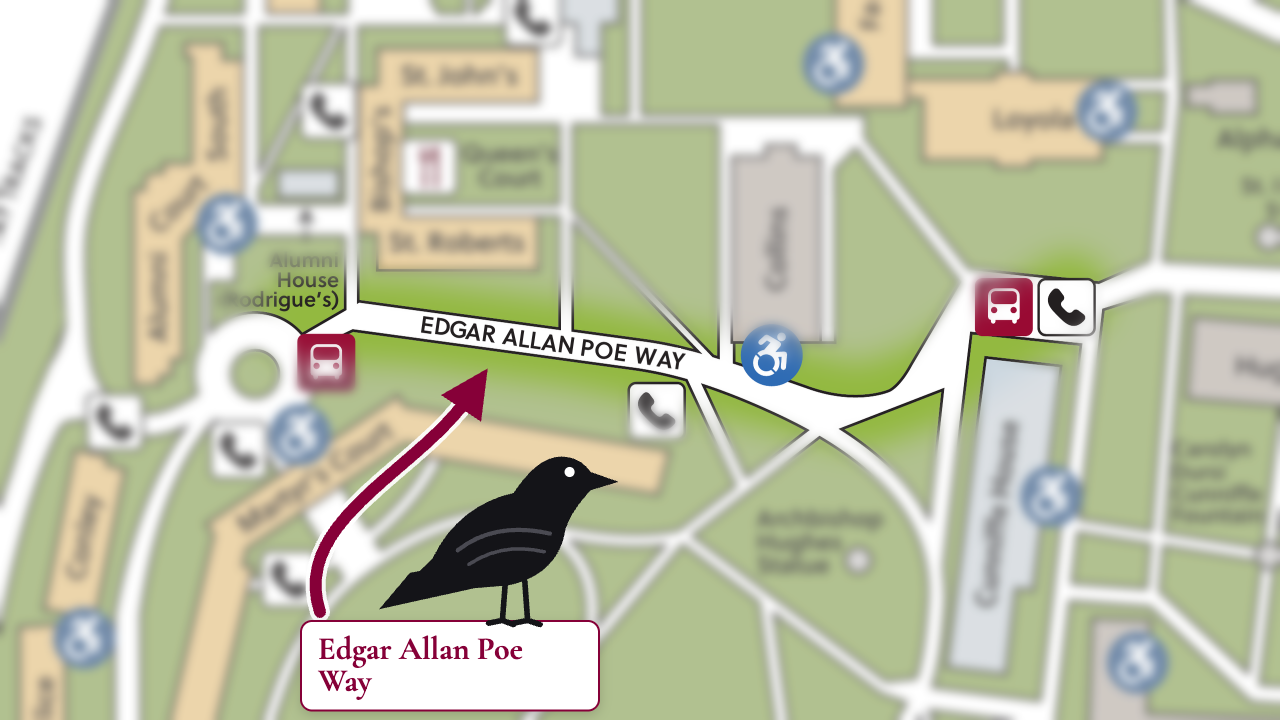
Fordham’s Rose Hill campus has a landmark called the Edgar Allan Poe Rock, a regular stop on student-led tours, as well as a campus path named Edgar Allan Poe Way. Poe, it seems, had a thing for rocks.
Friends remembered a ledge near his cottage, shaded by pines and cedars, where he sat through long summer days and starlit nights. From that perch, according to the 1891 Times article, he could take in a view of “the picturesque college of St. John’s.”
Poe may have also used the college to hide from unwanted visitors. Marie Louise Shew later recalled that when unwelcome literary types turned up at the cottage, Poe would slip away to the fields and woods—or to the grounds of the nearby Catholic school, according to the article.
10. A Fordham President Helped Preserve Poe Cottage in the Bronx
Verdict: Fact ✅
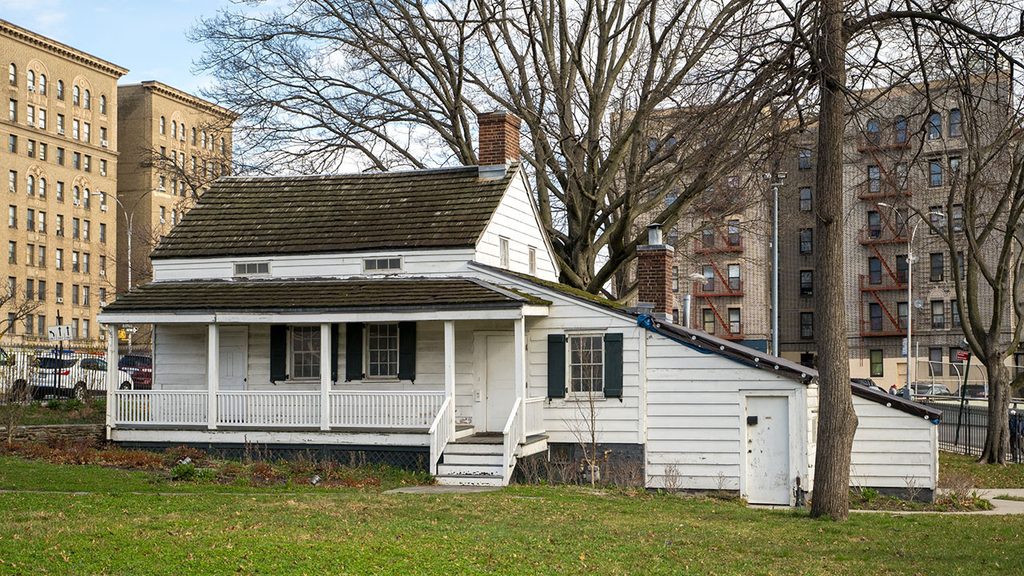
When New York City moved the Edgar Allan Poe Cottage into Poe Park in the Bronx and opened it as a museum in 1913, Fordham’s president, Thomas J. McCluskey, SJ, was among the speakers at the dedication.
Poe left Fordham for the last time in June 1849, setting out on a lecture tour that ended with his mysterious death in Baltimore that October. Afterward, neighbors pitched in to pay for Maria Clemm’s trip to Baltimore.
More than a century later, the Edgar Allan Poe Cottage still stands in Poe Park, just one mile from Rose Hill, open to anyone curious about Fordham’s most famous former neighbor.
Poe lived in Fordham village for only about three years. He never enrolled, taught a class, or earned a degree at Fordham University. Still, few visitors have cast a longer shadow over the Rose Hill campus.
In his 1998 poem “Poe in the Bronx,” award-winning poet Richard Foerster ’71 captured those tragic, extraordinarily creative years:
Here the dream turned Gothic
and the scintillant blade his imagination
had held aloft for years began to swoosh past
Foerster wasn’t the first Fordham writer or scholar to be captivated by Poe. In 1933, a graduate student named William Vincent Sheerin, who earned his bachelor’s degree at Fordham a decade earlier, devoted his master’s thesis to Poe’s influence on French poetry, tracing his mark on Baudelaire, Mallarmé, and Verlaine. Not a bad legacy for a man who once poured out his troubles in French to a Fordham Jesuit.
Nearly 180 years later, it seems the poet next door never quite left the neighborhood.
