

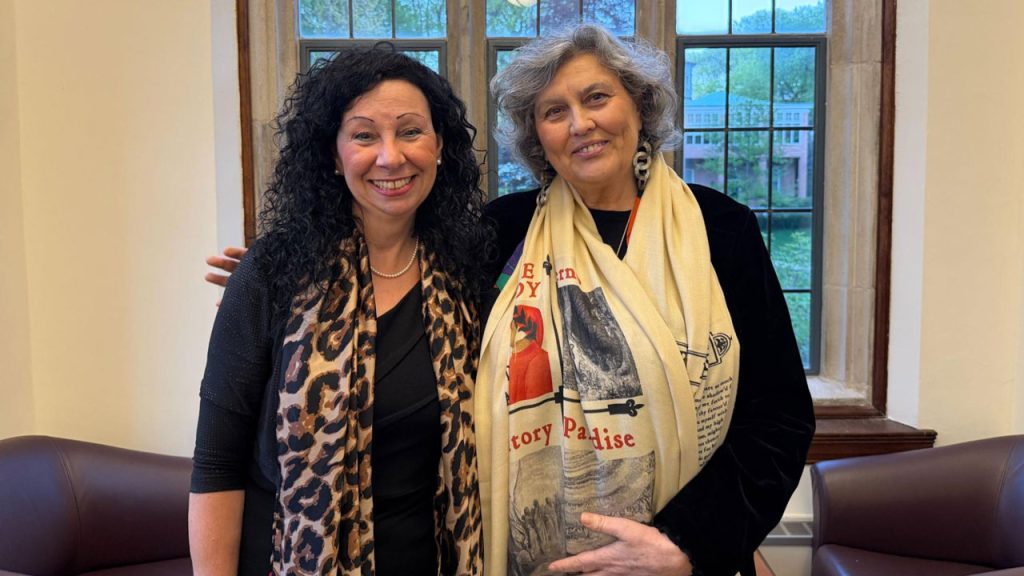
For 10 years, a group of Divine Comedy enthusiasts has been gathering to read Dante Alighieri’s medieval masterpiece out loud.
“At our current pace, this will take us another seven years to finish. But we are patient people,” joked Angela Alaimo O’Donnell, PhD, at the 10th anniversary party of Fordham Reads Dante on April 30.
Seven times a year, two dozen or so faculty, students, and rotating guests in the Fordham Reads Dante group meet to discuss and listen to one canto, or section, of the poem, which recounts Dante’s passage through hell, purgatory, and paradise on his quest to find God. Members and guests read aloud first in the original Italian and then in English. Together they have read through the first realm, the Inferno, and are now in the second, Purgatorio.
The group’s leisurely pace allows them to hear this classic of Western literature as Dante intended it to be appreciated.
“Poetry is an auditory art,” explained O’Donnell, a professor of English and the associate director of the Curran Center for American Catholic Studies. She leads the Fordham Reads Dante project with Susanna Barsella, PhD, an Italian professor and Dante expert, with help from Maria Terzulli, the Curran Center’s academic administrator.
“It is meant to be spoken and heard, not read on a page. This project reminds us that you’re supposed to be listening,” O’Donnell said just before the anniversary celebration.
“As scholars we are always digging, always trying to connect the dots, and sometimes, because of that, we lose the big picture,” said Barsella. Bringing The Divine Comedy back to “the poetic sound” paves the way for new discoveries, she said.
A Cross-Departmental Effort
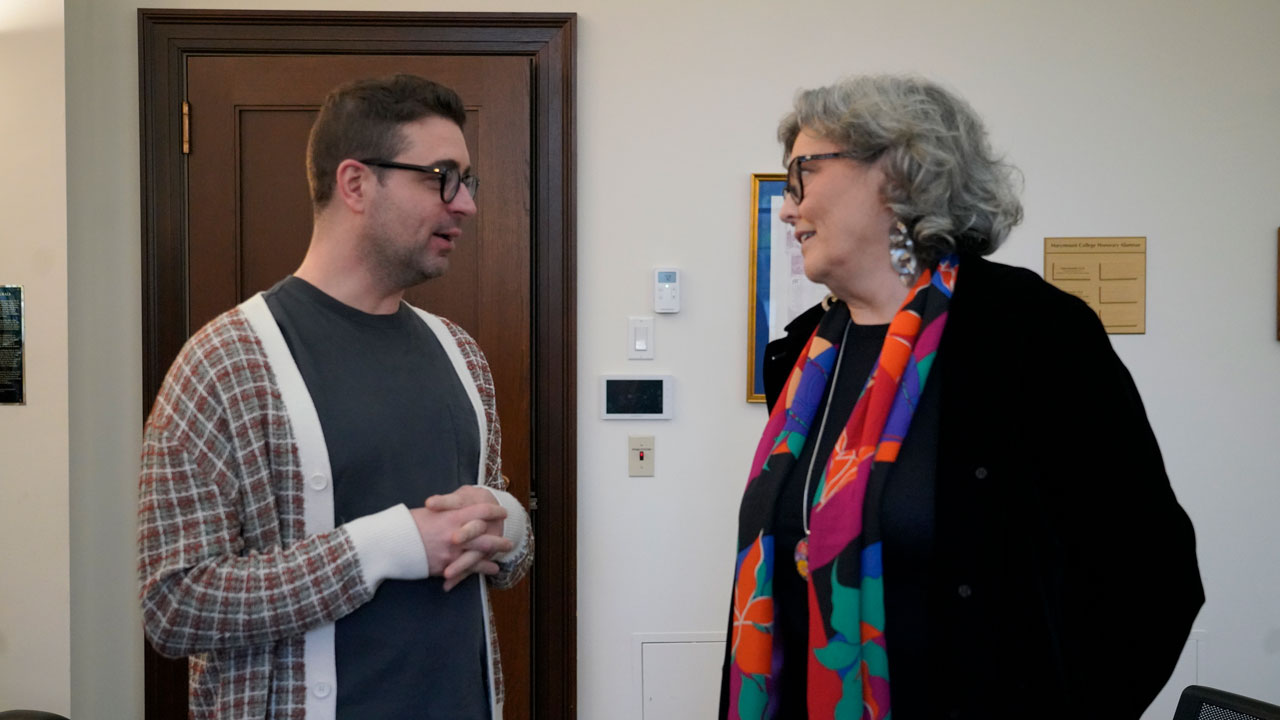
Initially Fordham Reads Dante met in person, and Barsella and O’Donnell asked Fordham faculty in philosophy, theology, history, and other departments to join them and provide fresh perspectives on each canto.
“I think it’s one of the pure interdisciplinary initiatives that Fordham has produced,” said Barsella.
After the pandemic, the readings and discussions moved by necessity to Zoom, and meetings have remained virtual ever since, allowing scholars and fans around the world to also join them. Throughout, many notable authors and experts have been invited to the discussions, from the former U.S. Poet Laureate Robert Pinsky, known for his acclaimed translation of the Inferno, to the filmmaker Ric Burns, who made a two-part, PBS documentary on Dante. Actor Dikran Tulaine, who played Virgil in the PBS film, stayed with the group for nearly a year to read the cantos in English.
In Dialogue with Dante
The poem has inspired countless authors, composers, and artists, including O’Donnell herself, who wrote a collection of poetry about the work in 2024 titled Dear Dante.
“The Divine Comedy is continuously inviting a dialogue,” said Barsella.
That dialogue continued Thursday night at Rose Hill, when the Fordham Reads Dante project commemorated its 10th anniversary with a performance from the play “Hell Has an Exit,” written by Ron Jenkins. The Wesleyan theater professor, who teaches Dante in prisons, spoke before the performance about how inmates connect to the poem and to Dante’s experience of writing about sin, punishment, and redemption while in exile for his political beliefs.
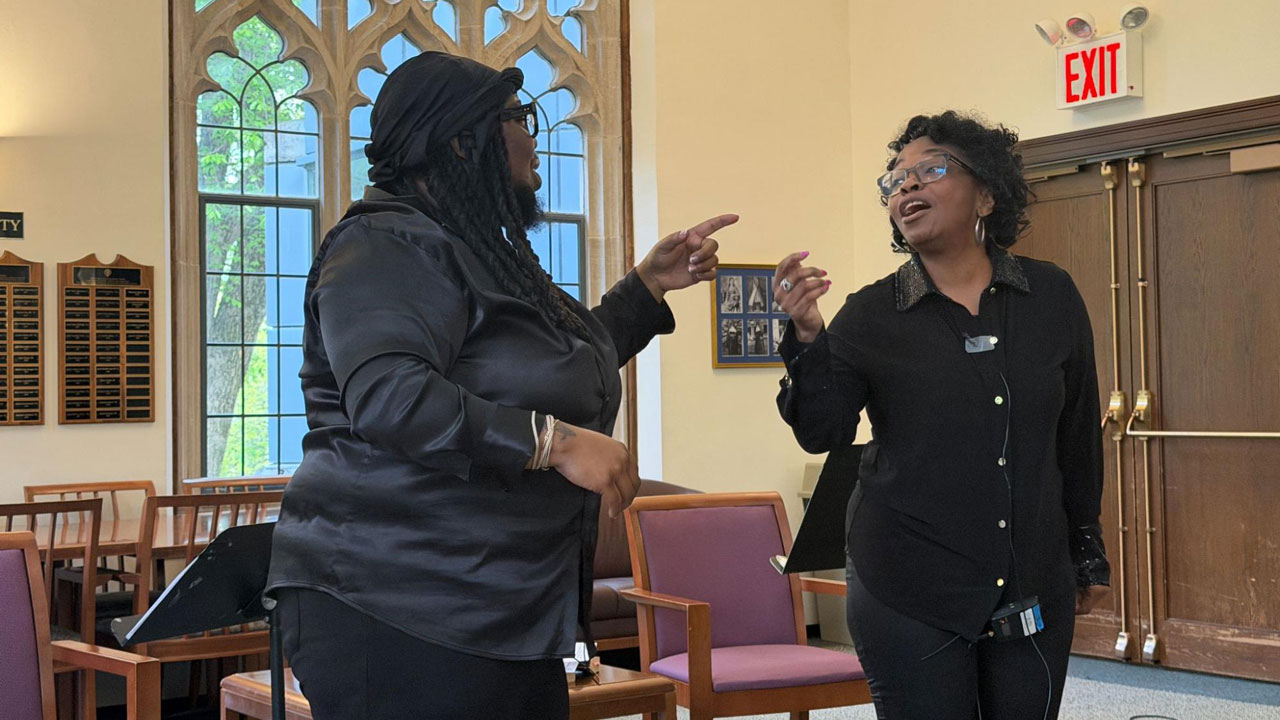
The cast featured two formerly incarcerated women, musician BL Shirelle, and her mother, Debra Taylor, who recounted their journey through the hell of drug addiction and prison on their path toward redemption. The piece combined their own music, rap, and dialogue with lines fromThe Divine Comedy.
After the moving performance, O’Donnell thanked the women.
“Poetry saves souls. Poetry saves lives,” she said, referring as much to their words as to Dante’s.
To join or learn more about Fordham Reads Dante, reach out to the Curran Center at [email protected].
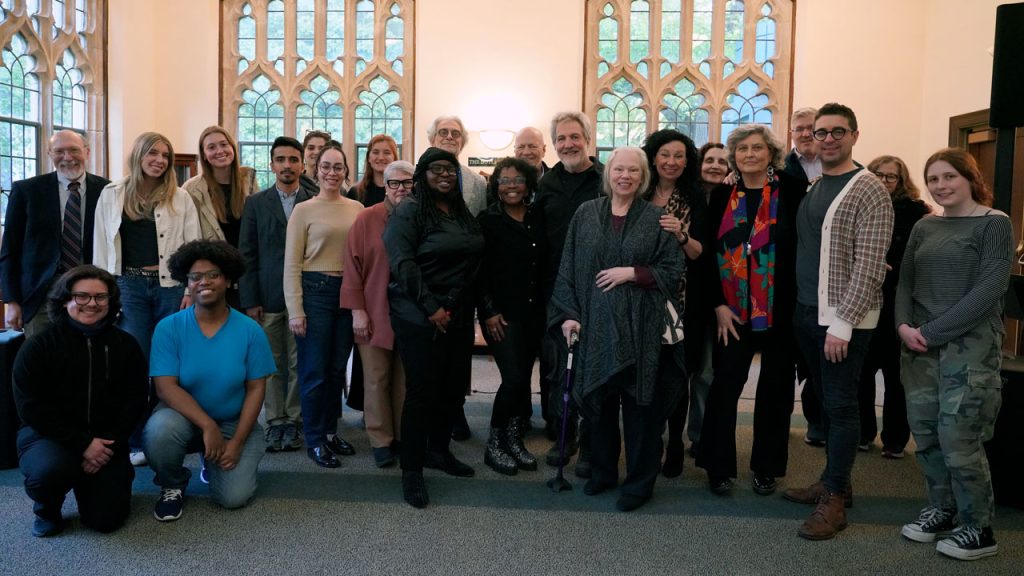
Attendees of the Fordham Reads Dante 10th anniversary celebration 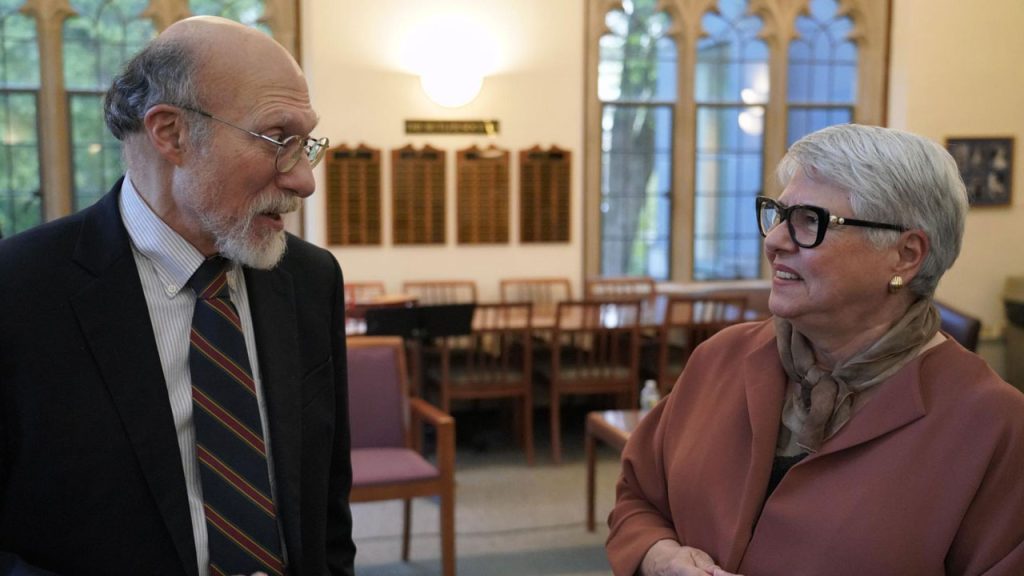
Theology Professor Emeritus Harry Nasuti, a Fordham Reads Dante member, with Maria Terzulli 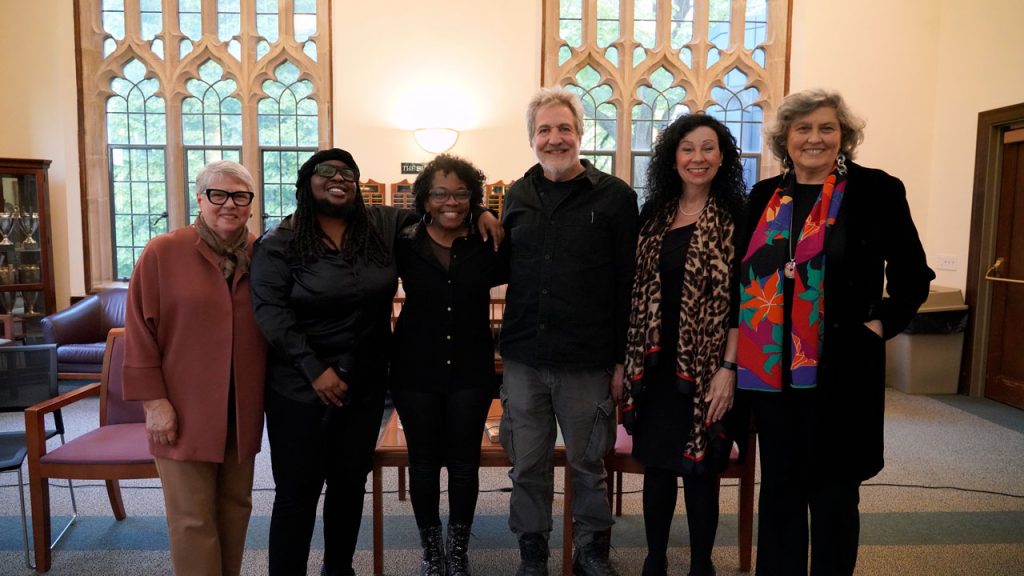
Fordham Reads Dante organizers with Ron Jenkins, center, and the performers and collaborators of ‘Hell Has an Exit” 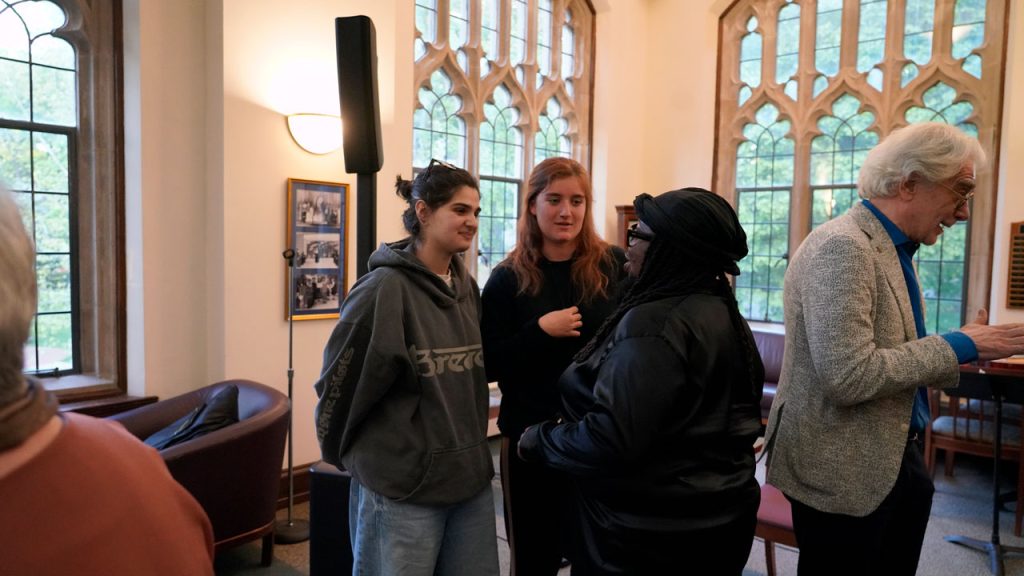
Students spoke to BL Shirelle following the performance 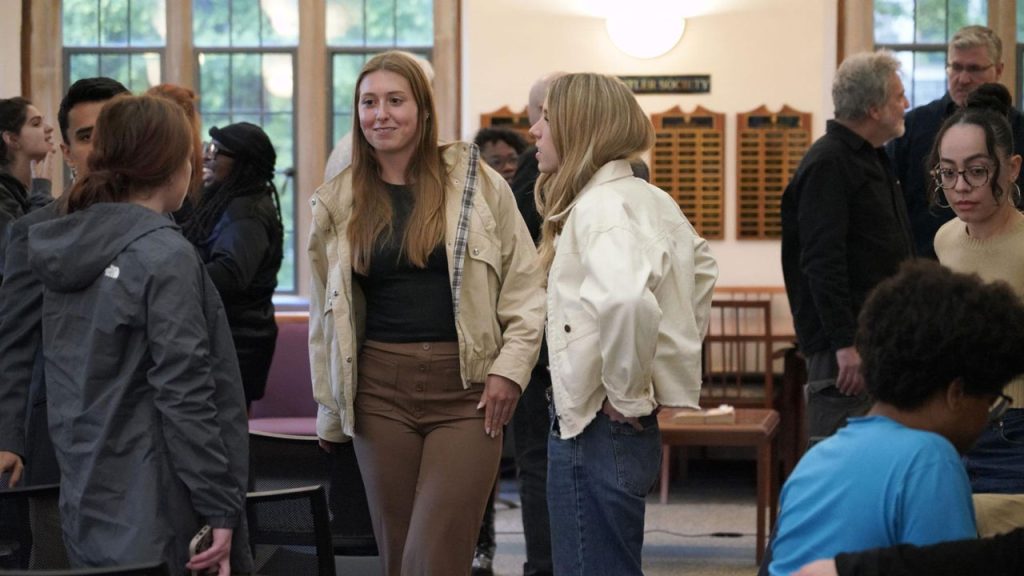
Students from O’Donnell’s class attended the performance
